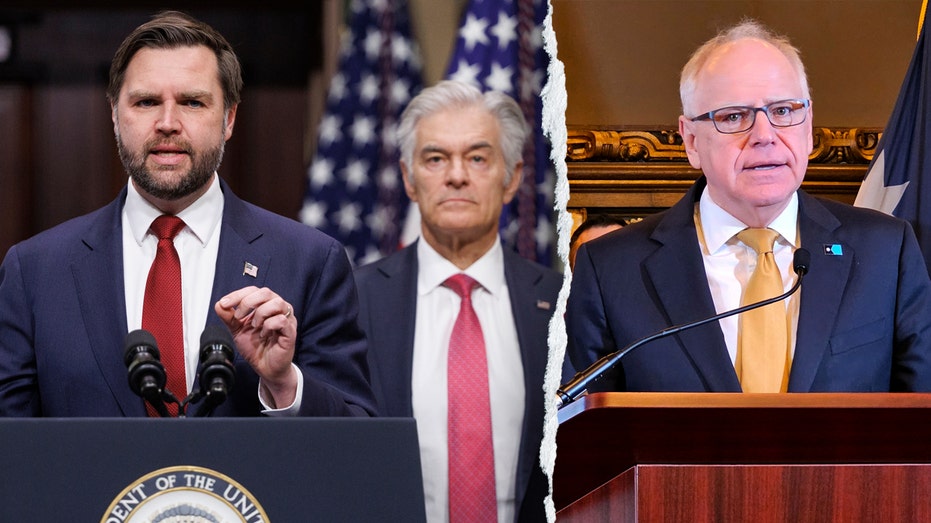
A political firestorm erupted as the Vice President announced a sudden halt to Medicaid funding for Minnesota, igniting accusations of a deliberate attack from the state’s governor. The move followed a pointed critique from the President during his recent address, alleging widespread fraud within Minnesota’s programs.
The Vice President delivered the news with a stark ultimatum: Minnesota has sixty days to overhaul its funding distribution, or face continued financial repercussions. He asserted the federal government would withhold payments until the state demonstrably addresses the alleged abuse of taxpayer money.
Governor Walz immediately condemned the action as a “campaign of retribution,” claiming the President was weaponizing federal power to punish states with differing political ideologies. He warned the cuts would disproportionately harm vulnerable populations – veterans, families, individuals with disabilities, and working-class citizens.
The governor further escalated the conflict, alleging a disconnect between the administration’s claims of investigating fraud and its actual actions. He pointed to reports of aggressive tactics by investigators, including confrontations with protestors and the arrest of minors, alongside cuts to the U.S. Attorney’s Office and pardons granted to convicted fraudsters.
The dispute centers on allegations of extensive fraud within Minnesota’s social and welfare programs, a situation that gained national attention in December. Initial investigations suggest the scheme could involve staggering losses, potentially exceeding nine billion dollars.
Federal officials have described the funding pause as the most significant action ever taken against fraud by the Centers for Medicare & Medicaid Services. The initial deferral amounts to $259 million, based on an audit of the final months of the previous year.
Administrators clarified that the funds aren’t being permanently withheld, but rather held in reserve until Minnesota presents and implements a comprehensive plan to rectify the issues. Failure to do so could result in over a billion dollars in deferred payments throughout the year.
The situation remains volatile, with both sides firmly entrenched in their positions. The future of Medicaid funding for Minnesota hangs in the balance, and the broader implications for federal-state relations are significant.