A legal battle is unfolding in Tennessee, where Kilmar Abrego Garcia fights to have his human smuggling charges dismissed. His defense centers on a startling claim: the charges are not based on justice, but on retribution for successfully challenging his wrongful deportation.
Abrego Garcia’s ordeal began with legal protections granted in 2019, followed by a mistaken deportation to El Salvador last year. He wasn’t simply sent back; he was thrust into CECOT, a maximum-security prison notorious for housing dangerous criminals involved in organized crime and violence.
After a hard-fought legal campaign, Abrego Garcia reversed his deportation and returned to the United States. But instead of acknowledging their error, his lawyers argue, the government retaliated, initiating criminal proceedings in Tennessee.
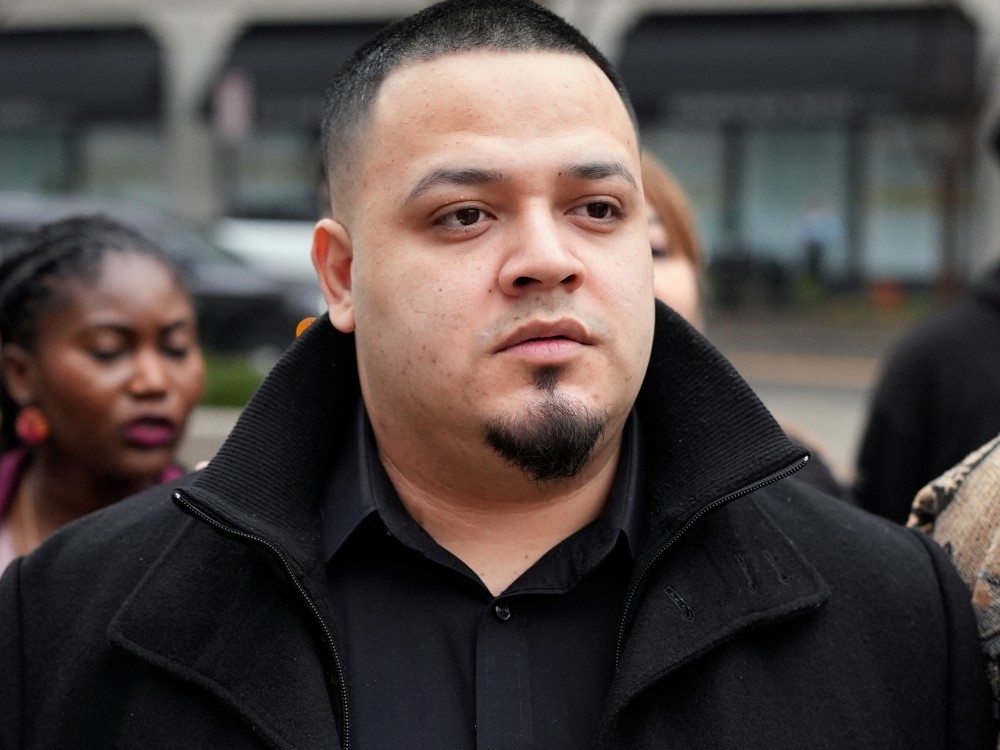
The defense team presented a compelling case to Judge Waverly Crenshaw, detailing how the government “fought back at every level” of the court system – and lost. They assert the prosecution is a direct consequence of Abrego Garcia daring to challenge a “brutal injustice.”
Adding weight to the defense’s argument are public statements made by high-ranking officials during the Trump administration. These pronouncements, the lawyers contend, demonstrate a clear intent to punish Abrego Garcia for exercising his constitutional rights.
The Supreme Court had previously ordered the Trump administration to demonstrate genuine efforts to return Abrego Garcia from El Salvador, a directive the defense believes was ignored in favor of pursuing these charges. The current case stems from a 2022 traffic stop in Putnam County, Tennessee, where Abrego Garcia was released without incident.
Judge Crenshaw has already expressed concern over the past statements, suggesting some evidence against Abrego Garcia “may be vindictive.” This initial skepticism lends credence to the defense’s claims of politically motivated prosecution.
Federal prosecutors vehemently deny the allegations, insisting there is sufficient evidence to proceed with the indictment. They maintain Abrego Garcia “committed a serious federal crime” and that they can prove it to a jury.
The prosecution intends to present three witnesses, including Homeland Security Investigations agents and a U.S. attorney, to bolster their case. They dismiss the defense’s argument as “high on rhetoric” and lacking factual basis.
The hearing promises a critical examination of the motivations behind the charges, raising fundamental questions about the pursuit of justice and the potential for government overreach. The outcome will determine whether Abrego Garcia faces prosecution or if his fight against wrongful deportation will extend to a battle against what his lawyers call a calculated act of revenge.