A Columbia University student found herself in the center of a startling incident when agents detained her for being in the country illegally. Identified as Elmina Aghayeva, she had been living in the United States after a student visa expired in 2016, a termination that occurred during the Obama administration due to a failure to attend classes.
The arrest unfolded early Thursday morning, around 6:30 a.m., when Immigration and Customs Enforcement (ICE) agents entered a residential building where Aghayeva was living. The building manager and her roommate granted the agents access to her apartment, leading to her detention.
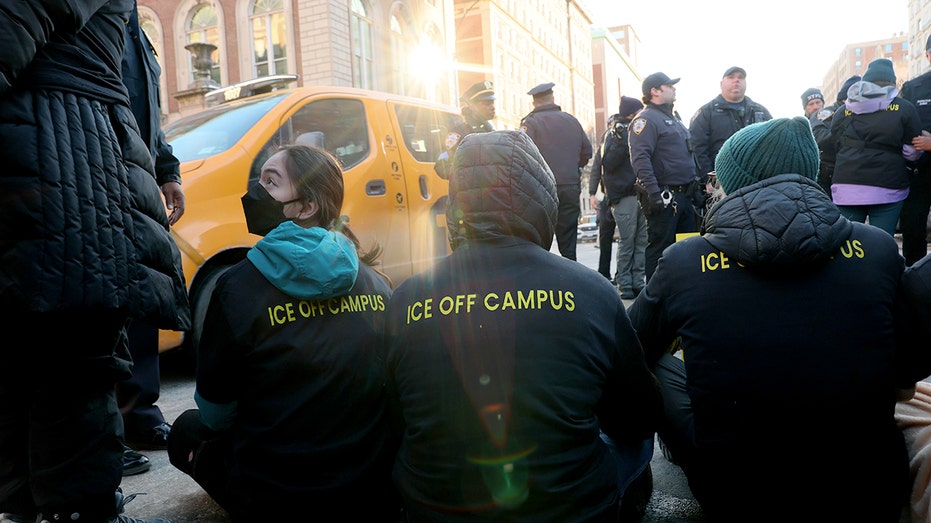
Columbia University officials expressed concern over the methods used to gain entry. They stated that federal agents allegedly misrepresented their purpose, claiming to be searching for a missing person to access the building. The university maintains strict protocols regarding law enforcement access to non-public areas.
According to Columbia’s policies, any law enforcement seeking access to restricted areas – including housing and classrooms – requires either a judicial warrant or subpoena. An administrative warrant is deemed insufficient, and all requests must be coordinated through the university’s public safety and legal counsel.
However, DHS clarified that the incident did not occur on university grounds. Despite this, the situation sparked immediate condemnation from New York City Council Speaker Julie Menin and Majority Leader Shaun Abreu, both Columbia College alumni.
Menin and Abreu released a joint statement asserting that ICE’s actions fostered “mistrust and danger” within the city and the nation. They emphasized that ICE has no place within educational institutions, arguing that such activities undermine safety rather than enhance it.
New York Governor Kathy Hochul, while initially cautious, offered a critical assessment as details emerged. She suggested that if agents did indeed misrepresent themselves, it underscored a larger issue of an “out of control” federal agency requiring significant reform and retraining.
The governor emphasized the need for a complete overhaul of the agency’s practices, stating that the current approach is simply “not working.” The incident has ignited a debate about the tactics employed by federal immigration enforcement and the boundaries of their authority within academic communities.
Aghayeva, according to DHS, has no pending appeals or applications with the agency. The case raises questions about the balance between immigration enforcement and the sanctity of educational environments, and the potential for misrepresentation by law enforcement officials.