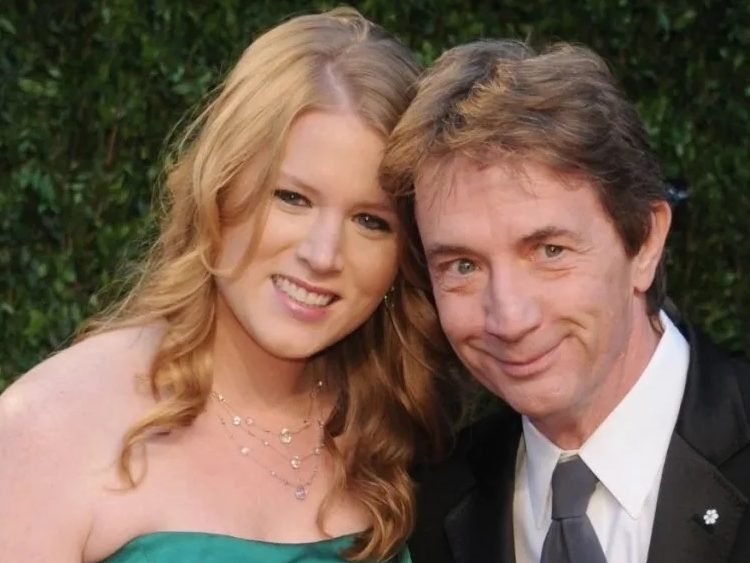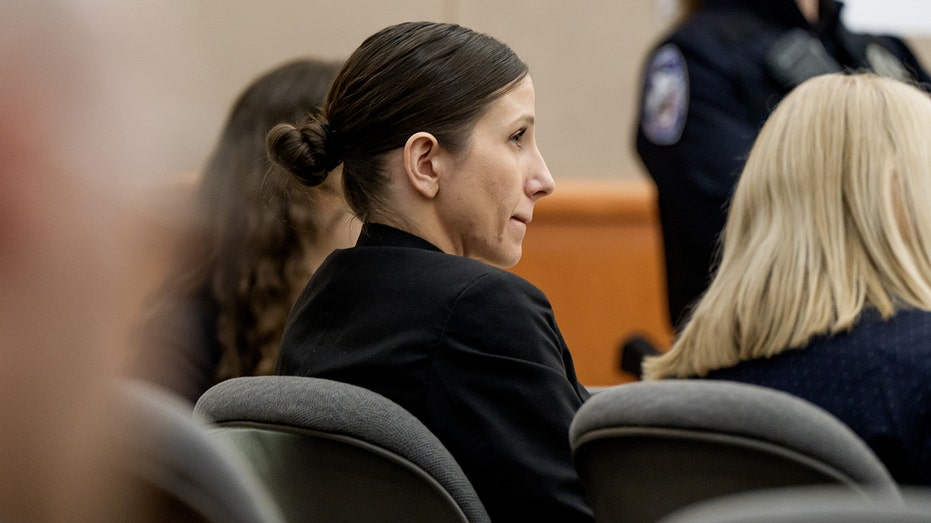
The courtroom hung on every word as a chilling narrative unfolded – a tale of calculated ambition, alleged betrayal, and a husband’s sudden death. Kouri Richins, a 35-year-old author, stands accused of orchestrating the murder of her husband, Eric, driven by a desire for financial freedom and a new life.
Prosecutors presented a series of intimate text messages, painting a disturbing picture of Richins’ state of mind. Just the day before Eric’s death, she allegedly messaged a man identified as her boyfriend, asking a pointed question: “If I was divorced right now and asked you to marry me tomorrow, you would?” The messages hinted at a desperate longing for escape.
Weeks earlier, the texts revealed a starker sentiment: “If he could just go away, and you could just be there, life would be so perfect.” This wasn’t simply unhappiness; it was a chilling expression of a wish for her husband’s absence, prosecutors argued, a desire that would allegedly pave the way for a future with another man.
The alleged plan extended beyond emotional longing. Financial pressures were mounting, and Richins reportedly stood to inherit a substantial fortune from Eric’s estate. A prenuptial agreement, however, threatened to limit her share in the event of a divorce, fueling a motive for a more permanent solution.
The state’s case centers on the claim that Richins poisoned Eric with a fentanyl-laced Moscow mule. The timeline, they say, is crucial. Richins allegedly waited sixteen minutes after discovering her husband unresponsive before dialing 911, a delay that raised immediate suspicion.
Further investigation revealed a frantic search history on her phone: “Can cops uncover deleted messages iPhone?” This, coupled with the discovery of money-themed memes – including one boldly proclaiming “I’m rich!” – accessed on the morning of Eric’s death, seemed to solidify the prosecution’s narrative of greed and premeditation.
Prosecutors detailed how Richins had secretly altered the beneficiary designation on multiple life insurance policies, totaling nearly $2 million, to herself. Eric, discovering the change, had reportedly reverted it back to his business partner, a move that potentially thwarted her initial plan.
The alleged goal wasn’t simply financial gain, but a complete transformation. Richins, the prosecution argued, intended to use the insurance money to fund the completion of a lavish $2 million mansion, a project her husband had reportedly disapproved of.
The defense countered with a different narrative, portraying Eric as a man battling chronic pain and substance abuse. They suggested his death was a tragic accident, an accidental overdose stemming from his own struggles. They emphasized the circumstantial nature of the evidence and questioned the reliability of key witnesses.
Kathryn Nester, Richins’ attorney, played the 911 call in court, a raw and emotional recording of a wife desperately seeking help for her husband. “Those are the sounds of a wife becoming a widow,” Nester argued, attempting to evoke sympathy and cast doubt on the prosecution’s claims.
Testimony from a crime scene technician revealed that the recovered hydrocodone bottle wasn’t tested for fentanyl, and no drug paraphernalia was found at the scene. This detail became a focal point for the defense, suggesting a lack of concrete evidence linking Richins to the alleged poisoning.
A housekeeper’s testimony added another layer of complexity. She claimed Richins repeatedly requested pain pills for an “investor,” even going so far as to delete their text conversations afterward, and leaving a substantial sum of money as payment. The housekeeper described a pattern of escalating requests for increasingly potent drugs, referring to a particularly strong painkiller as the “Michael Jackson stuff.”
However, a state toxicologist’s testimony introduced a potential wrinkle in the prosecution’s case, acknowledging that Eric Richins could have ingested fentanyl prior to consuming the Moscow mule. This raised the possibility of an accidental overdose, potentially undermining the claim that Richins deliberately laced his drink.
The trial, already captivating national attention – particularly after Richins published a children’s book about grief following her husband’s death – promises weeks of further testimony and legal maneuvering. The question remains: was this a calculated murder driven by greed, or a tragic accident compounded by a husband’s hidden struggles?