While Prime Minister Mark Carney pursued diplomatic ties in Asia, a contrasting scene unfolded in Toronto. Conservative Leader Pierre Poilievre addressed business leaders, outlining a vision for Canadian resilience in the face of potential economic headwinds from the United States.
The timing was striking. Just steps away, Dominic LeBlanc, Carney’s lead on Canada-U.S. relations, offered a more cautious assessment. He downplayed the immediate impact of recent U.S. Supreme Court decisions on tariffs, emphasizing that the existing trade agreement, CUSMA, wasn’t currently under renegotiation.
However, LeBlanc’s assurances felt fragile against a stark reality. Reports surfaced indicating former President Trump remains openly willing to abandon CUSMA altogether. His chief trade negotiator bluntly stated the president is “half inclined to leave,” casting a long shadow over the stability of North American trade.
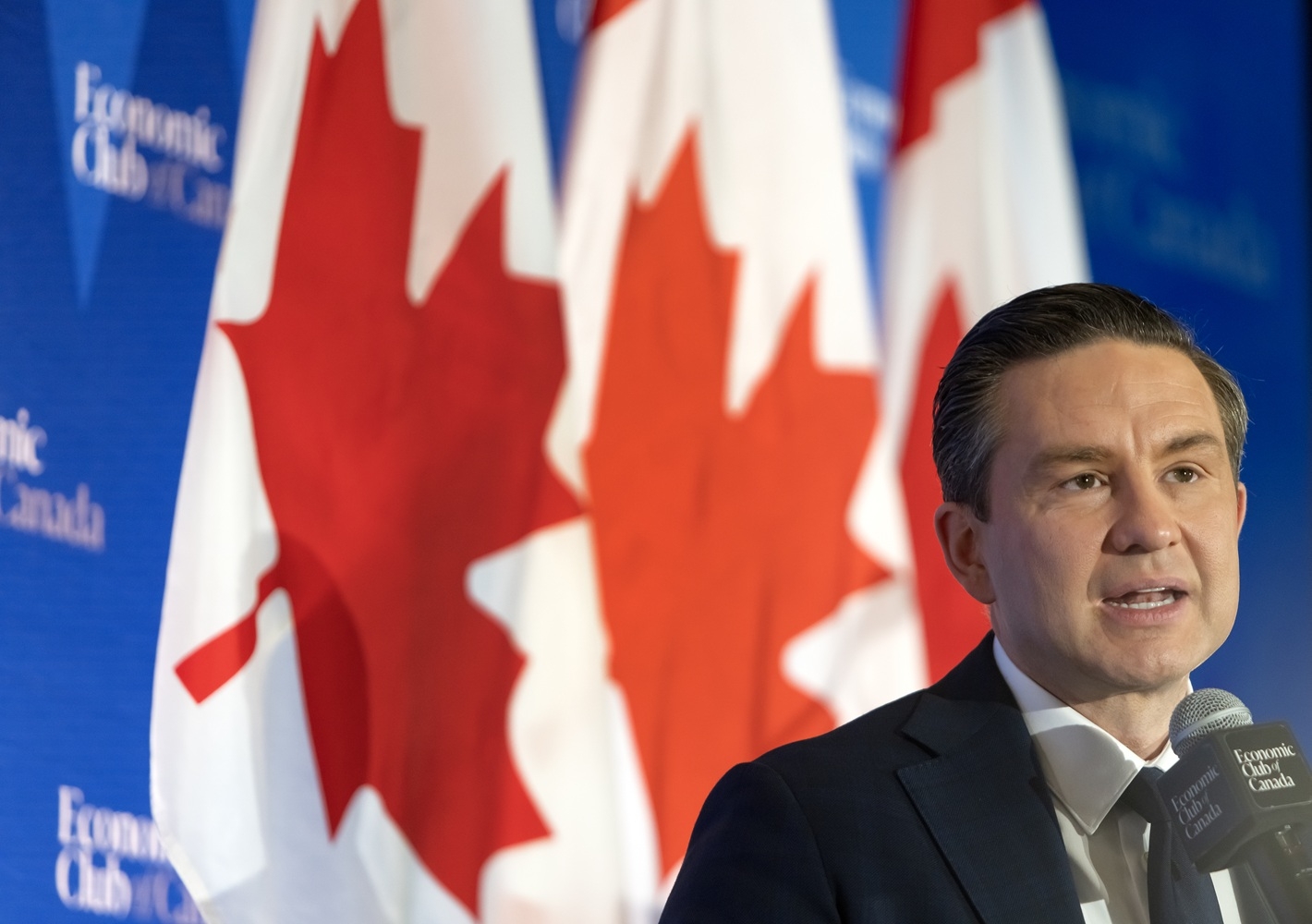
Poilievre seized on this uncertainty, delivering a powerful message of self-reliance. He argued that Canada’s fate shouldn’t hinge on the whims of foreign leaders or unpredictable global events. Instead, he proposed a path focused on strengthening the nation from within.
His prescription centered on unleashing Canada’s energy potential, investing in defense and technology, and tackling the housing crisis by cutting bureaucratic obstacles. “No foreign government can tariff homes built in Canada,” he declared, highlighting the power of domestic solutions.
Poilievre cautioned against a strategy of alienating the U.S. while simultaneously embracing China. He acknowledged Canadian frustration with Trump’s unpredictability, but insisted that severing ties with America wasn’t the answer. He stressed that tangible results, not reactive outrage, were the key to navigating the turbulent landscape.
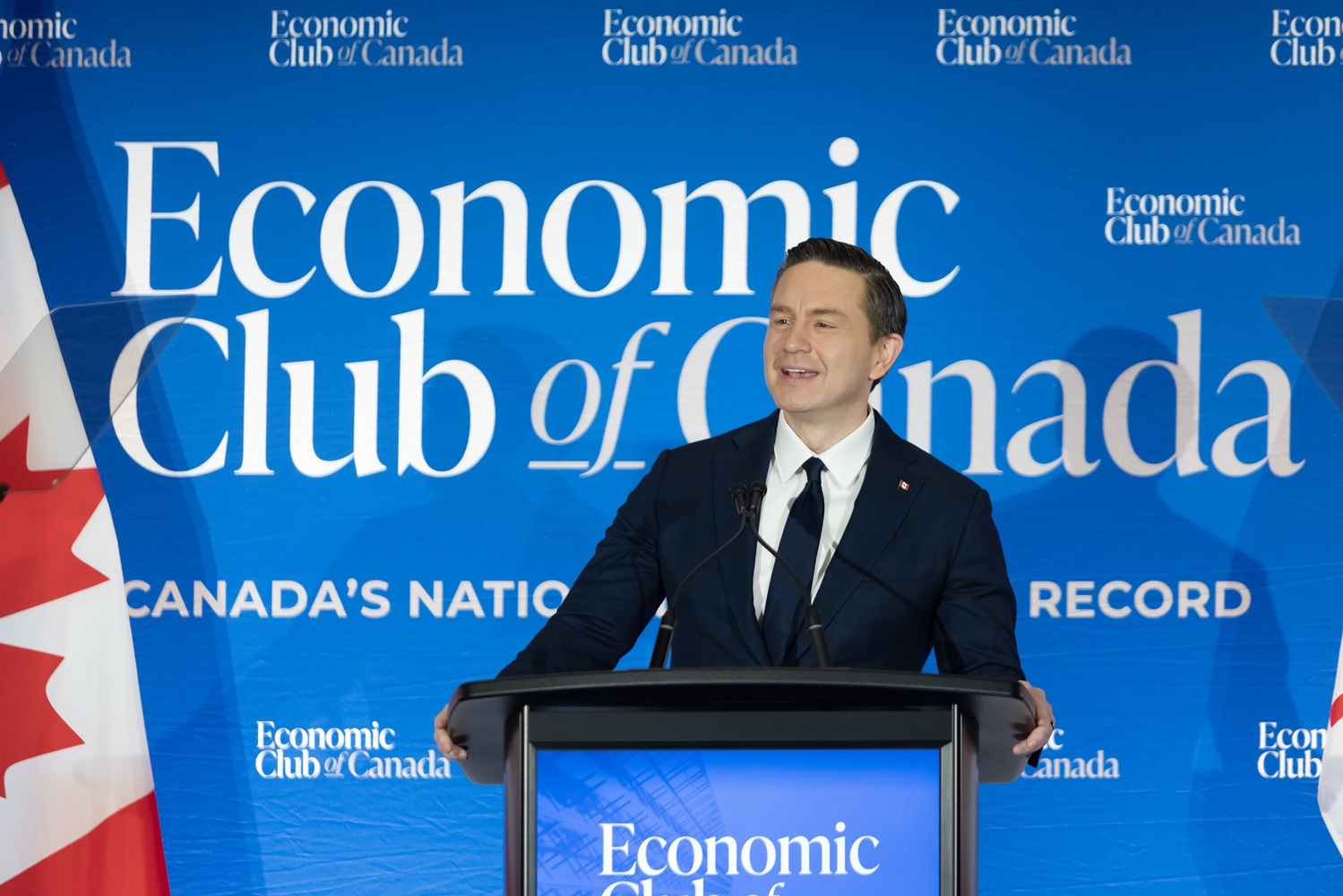
A stronger, more independent Canadian economy, Poilievre argued, would provide crucial leverage in international dealings. He envisioned a nation less vulnerable to external pressures, capable of confidently asserting its interests on the world stage.
In a surprising move, Poilievre extended an olive branch to the Carney government, proposing an all-party working group dedicated to securing the best possible outcome in CUSMA discussions. He pledged cooperation, but also vowed to challenge policies he deemed detrimental to Canada’s interests.
His core message resonated with a simple, compelling truth: focus on what Canada *can* control. He urged citizens to disregard distractions, like inflammatory rhetoric, and concentrate on building a robust, self-sufficient nation. “Economic strength is national strength,” he asserted, framing self-reliance as the true foundation of sovereignty.
Poilievre’s speech offered a clear, confident response to the looming threat of U.S. trade disruption. It was a patriotic call to action, a blueprint for a stronger, more independent Canada, built on resilience and self-determination.