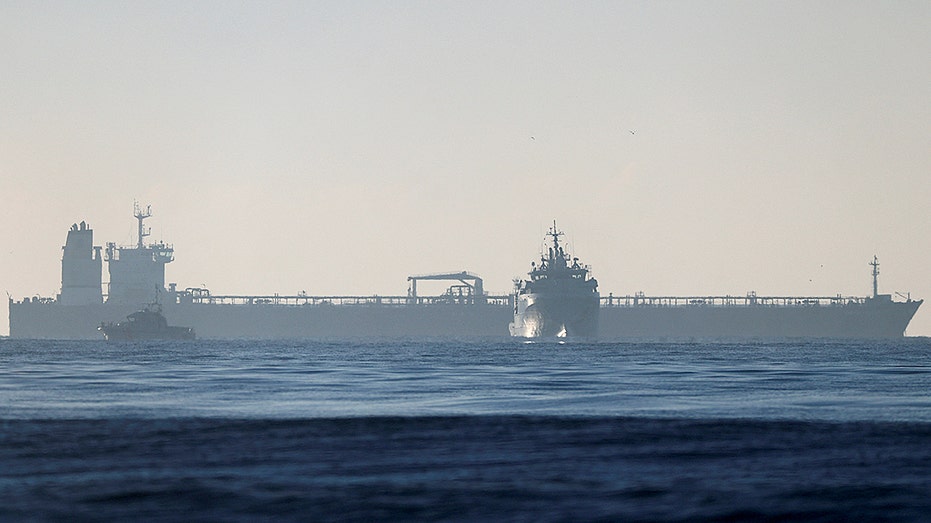
A silent fleet is slipping through one of the world’s most vital waterways, carrying a hidden cargo that threatens to ignite a dangerous confrontation. These aren’t ordinary tankers; they are Russian-operated vessels, shrouded in secrecy, and transporting millions of dollars worth of sanctioned oil directly through the English Channel.
The stakes are incredibly high. As tensions between Russia and NATO reach a fever pitch, the Royal Navy has dramatically increased surveillance of these shadowy ships navigating the busy shipping lanes. The sheer scale of the operation is startling – reports indicate as many as 800 of these “shadow tankers” have already passed through, effectively fueling Vladimir Putin’s war effort in Ukraine.
Vessels like the Rigel, Hyperion, and Kousai are now infamous names, meticulously tracked by maritime monitoring services and firmly under Western sanctions. These aren’t ghosts, but identifiable ships actively circumventing international law. Just this month, several were observed fully loaded with prohibited crude oil, brazenly defying restrictions.
The Rigel, a colossal 885-foot tanker flying a Cameroonian flag, recently departed a Russian port with a cargo potentially worth $55 million – roughly one million barrels of oil. Despite being sanctioned by the UK, EU, and Canada, it’s exploiting a loophole in maritime law allowing “innocent passage” through territorial waters.
The Kousai, sailing under a Sierra Leonean flag, faced immediate scrutiny upon leaving a Russian port, receiving a warning to provide proof of insurance within 24 hours. Meanwhile, the Hyperion, sanctioned by the U.S., attempted to disguise its ownership by switching flags after a delivery to Venezuela, a desperate attempt to evade detection.
Security experts are sounding the alarm, warning that the situation is rapidly escalating. Professor Michael Clarke predicts a point where Britain and its allies will be forced to take a much harder line, raising the very real possibility of a “militarized confrontation at sea” within the year, either in the Channel or the North Sea.
The UK Ministry of Defence acknowledges the gravity of the situation, stating that disrupting this Russian shadow fleet is a top priority. They’ve already requested insurance verification from over 600 suspected vessels since October, signaling a clear intent to tighten the net.
The United States is also taking decisive action, having seized at least seven tankers linked to these illicit oil trades since December, including several intercepted in the Caribbean. This isn’t simply about enforcing sanctions; it’s a demonstration of resolve against a calculated attempt to undermine international order.
The English Channel, historically a conduit for trade and connection, is now a potential flashpoint. The passage of these shadow tankers isn’t just an economic issue; it’s a dangerous game of cat and mouse with potentially devastating geopolitical consequences.