Toronto’s roads are under siege. A brutal winter has left its mark, not in picturesque snowdrifts, but in a rapidly growing network of damaging potholes. The city is bracing for a surge in repair needs as the freeze-thaw cycle intensifies.
Claims for vehicle damage are already soaring. As of this week, the city has received 1,194 reports – a staggering 47% increase compared to the same period last year. This isn’t just a minor inconvenience; it signals a significant strain on both drivers and city resources.
Despite crews working diligently, the number of potholes actually *filled* is down. So far this year, over 23,000 potholes have been patched, but that’s considerably fewer than the 33,100 repaired by this point last year. Last year saw a total of over 257,000 potholes addressed.
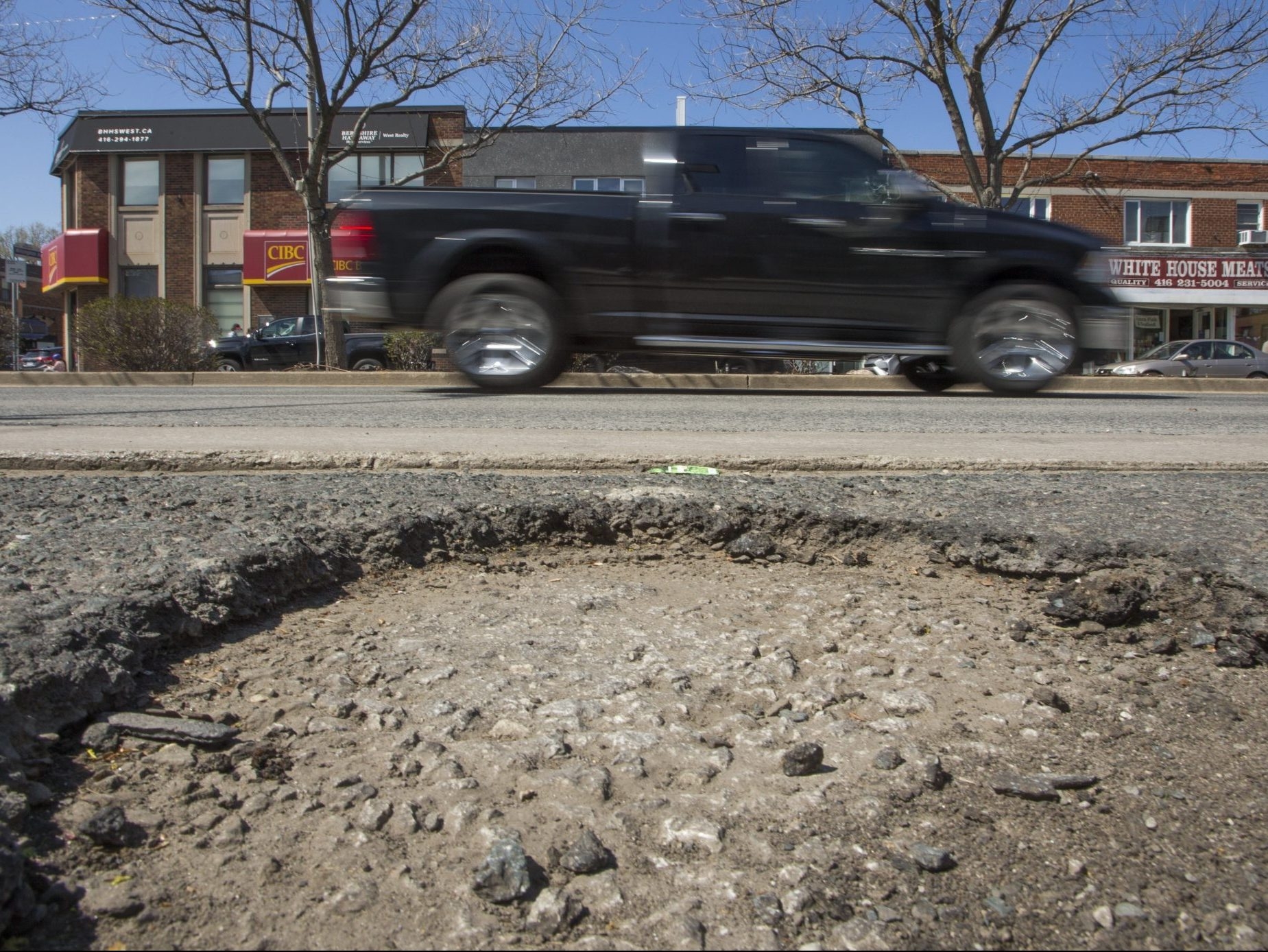
The science behind the destruction is simple, yet relentless. Water seeps into cracks in the asphalt, freezes, expands, and then thaws, gradually breaking the road apart. This cycle is particularly vicious during late winter and early spring, creating a landscape of hazards for unsuspecting drivers.
The city prioritizes repairs based on traffic volume and speed. Major arteries are targeted for fixes within four days, while less-traveled side streets may wait up to 30 days. Crews can typically patch a pothole in under 20 minutes, but winter conditions often necessitate temporary cold-mix asphalt, delaying more permanent solutions.
The financial impact on drivers can be substantial. Damage from a single pothole can easily range from $500 to $2,000, encompassing tire repairs, wheel alignments, and even suspension work. Experts advise caution and proper vehicle maintenance to mitigate the risk.
If you encounter a pothole, avoid sudden braking. Instead, reduce speed and allow your vehicle to absorb the impact as much as possible. This can minimize the potential for costly damage.
Drivers who experience vehicle damage due to potholes in Toronto have a recourse. Claims can be filed with the city, but must be submitted within 10 days of the incident. Each claim is investigated to determine the city’s liability.
City officials acknowledge the problem and are allocating increased funding to pothole repair. The 2026 budget includes a boost from $5.5 million to $6.2 million, reflecting the growing urgency of the situation. Crews are actively working, but the battle against the potholes is far from over.
The situation serves as a stark reminder of the constant struggle to maintain infrastructure in the face of harsh weather. It’s a challenge that demands ongoing attention and investment to ensure safe and reliable roadways for everyone.