The future of Niagara’s municipalities hangs in the balance, with the possibility of widespread amalgamation now squarely in the hands of local mayors. Premier Doug Ford has stated he won’t impose a solution, but insists change is vital to address a growing crisis in regional governance.
Currently, the Niagara Region operates under a two-tiered system – a regional government overseeing twelve separate municipalities, and a total of 126 councillors. This complex structure, according to the newly appointed regional chair, Bob Gale, is fueling unsustainable tax increases and a ballooning infrastructure deficit reaching into the billions.
Gale’s assessment paints a stark picture: successive tax hikes of roughly 7, 9.6, and 6.3 percent over the last three years have driven the regional tax levy up nearly 25 percent in a single council term. He argues this is an unacceptable burden on Niagara taxpayers and demands a fundamental restructuring, potentially including merging municipalities.
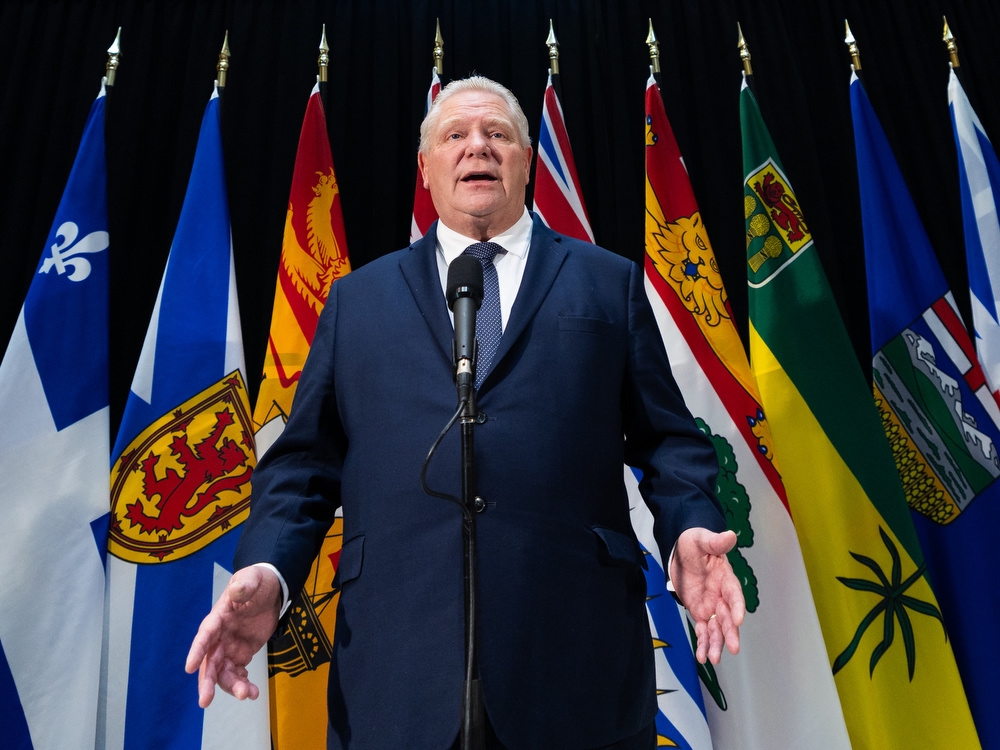
Ford has echoed Gale’s concerns, acknowledging the high tax rates and the sheer number of politicians involved in decision-making. He’s made it clear that the decision rests with the mayors themselves, warning that inaction could lead to continued double-digit tax increases for residents.
The idea of amalgamation, however, has ignited a fierce debate amongst the region’s leaders. Niagara Falls Mayor Jim Diodati champions a reduction to just four cities, citing a $110-million infrastructure deficit and a deteriorating water and wastewater system – with half of it already in poor or very poor condition.
Diodati believes a streamlined government would alleviate the financial strain. He’s even discussed the possibility of a single city with the Premier, though he suggests a four-city model as a more immediate, practical step.
Not all mayors are on board. Fort Erie’s Wayne Redekop firmly opposes any forced amalgamation, advocating instead for greater efficiency within the existing structure. He suggests his town could thrive independently if forced to choose.
Adding to the complexity, the Ford government commissioned a report on regional governance early in its first term, but has yet to release its findings. Grimsby Mayor Jeff Jordan is urging the province to make this information public, arguing that a rushed decision without comprehensive data would be irresponsible.
Concerns are also being raised about the speed and transparency of the process. Niagara-on-the-Lake’s Gary Zalepa insists any significant changes require a solid legislative foundation, a transparent process, and genuine public consultation – elements he believes are currently lacking.
The timeline imposed by Chair Gale – a mere two weeks to respond to his initial letter – has drawn criticism from several mayors and even a provincial representative, who claims decades of local feedback demonstrate widespread opposition to amalgamation. The debate is far from settled, and the future of Niagara’s governance remains uncertain.
The situation is further complicated by separate issues facing the region, including the recent arrival of First Nation evacuees due to a water crisis and ongoing discussions surrounding the relocation of belugas from Marineland.