A new era of defense collaboration has begun between Canada and South Korea, solidified by a landmark agreement to share and protect classified military information. The signing, finalized just weeks after a call for strengthened alliances amongst nations, signals a deliberate shift in Canada’s strategic outlook.
The agreement, years in the making and concluded in October, establishes a crucial legal foundation for expanded cooperation. This extends beyond simple information exchange, encompassing joint efforts in defense procurement, industrial security, and cutting-edge research initiatives.
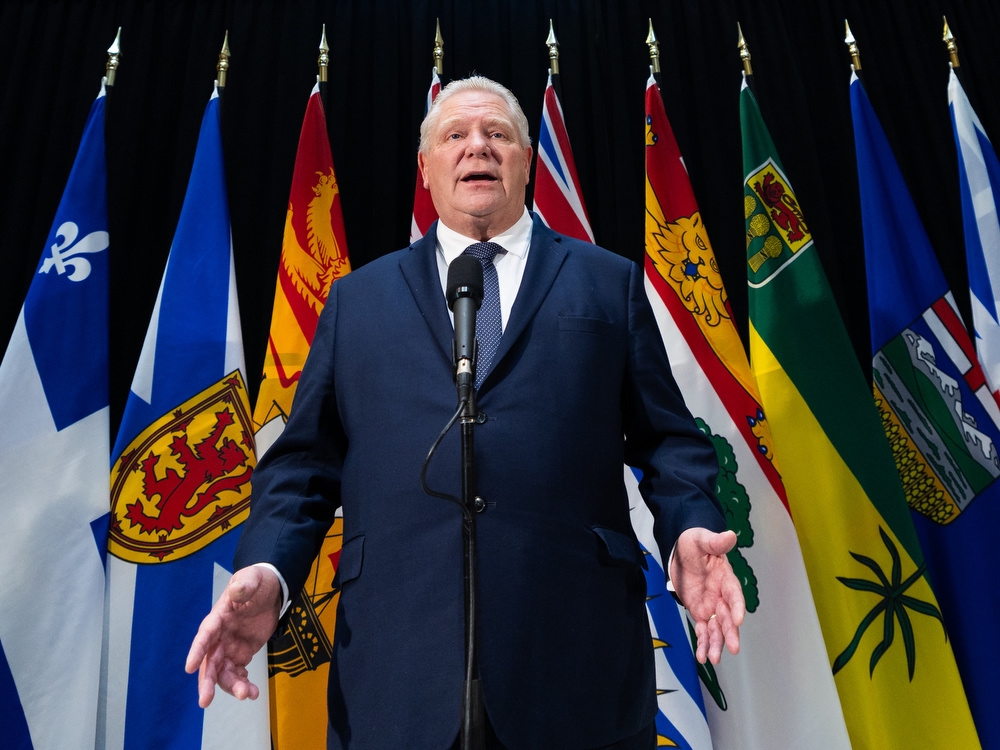
Defense Minister David McGuinty emphasized the importance of this partnership, stating it’s vital not only to bolster Canada’s domestic defense industry but also to forge stronger international relationships. The move reflects a growing recognition of the need for a robust and interconnected defense network.
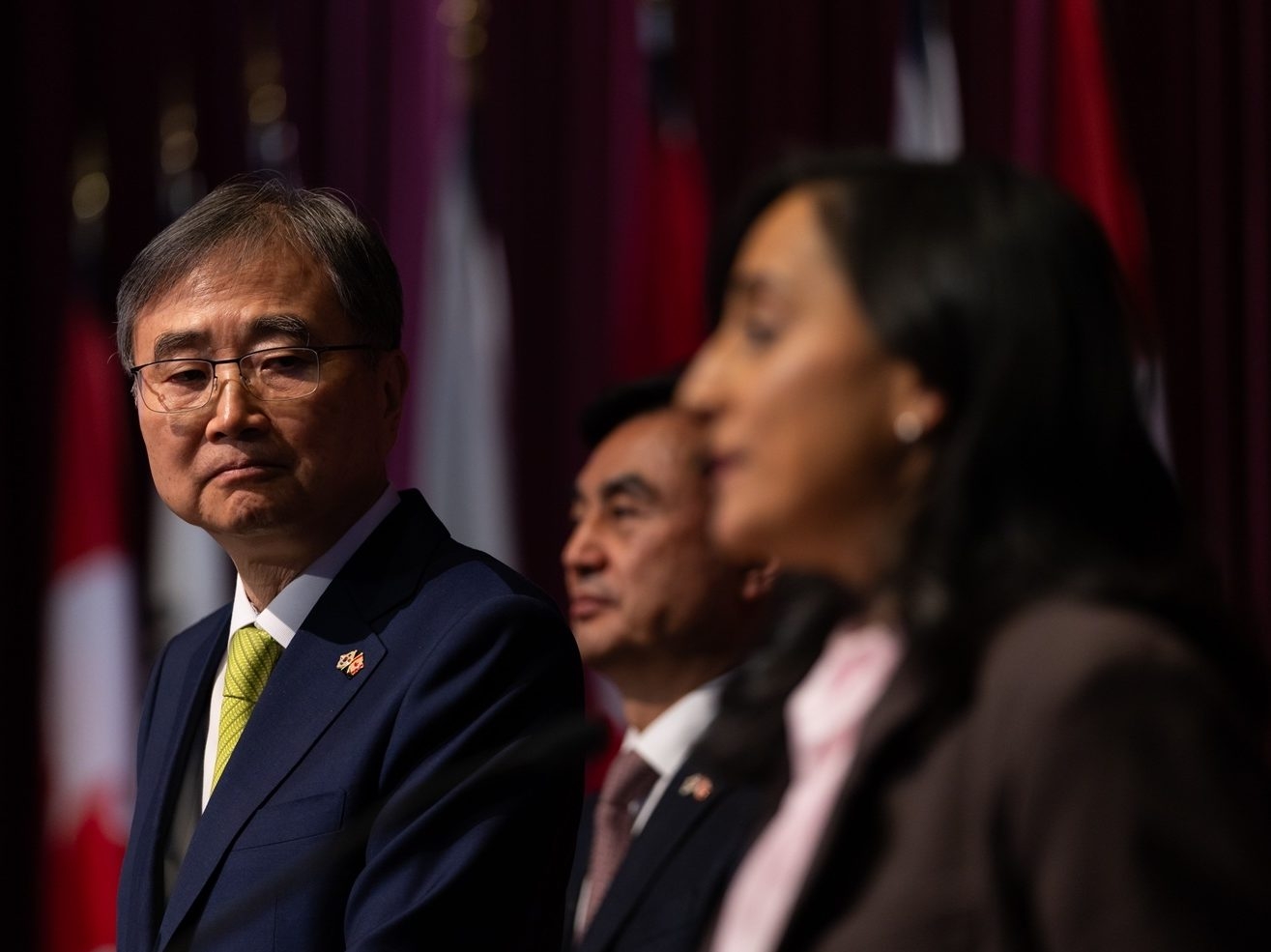
During a meeting between Canadian and South Korean ministers, a commitment was made to modernize their existing strategic partnership, adapting it to the complex geopolitical landscape. Discussions also initiated negotiations for a broader defense cooperation agreement, outlining a framework for combined military operations.
South Korean officials underscored the necessity of deepened cooperation in the face of global uncertainties, highlighting the inextricable link between security and economic stability. Both nations expressed a desire to significantly increase trade and investment, fostering a mutually beneficial relationship.
Canada was specifically identified as a key security partner, with a shared commitment to promoting peace and stability throughout the Indo-Pacific region and the Arctic. This collaboration aims to address emerging challenges and safeguard vital international waterways.
The timing of this agreement coincides with a significant procurement process currently underway in Canada – a multi-billion-dollar competition to select a supplier for up to twelve new submarines. South Korean firm Hanwha Oceans is a leading contender, vying against a German manufacturer.
South Korean ministers directly presented the advantages of their submarine technology, emphasizing a proven track record of on-time and on-budget delivery, even suggesting a potential two-year advantage over competitors. The offer represents a compelling proposition for Canada’s naval modernization efforts.
Beyond the submarines themselves, Canada is seeking substantial industrial benefits, aiming to attract broader manufacturing investments from South Korean, German, and Chinese automakers. A recent agreement with South Korea specifically targets the establishment of automotive manufacturing facilities within Canada.
However, not all voices are convinced. Critics argue that such agreements, while symbolic, do little to address the immediate needs of the Canadian Armed Forces. The call for faster procurement of essential equipment, based on operational requirements, remains a central point of contention.
The underlying current driving these developments is a broader strategy of trade diversification, a response to a volatile global environment. Canada is actively seeking to strengthen ties with like-minded nations, bolstering both its economic prosperity and national security.
This shift reflects a growing understanding that defense and economic interests are inextricably linked, demanding a holistic and pragmatic approach to foreign policy. Canada is positioning itself to navigate a complex world through strategic partnerships and proactive engagement.