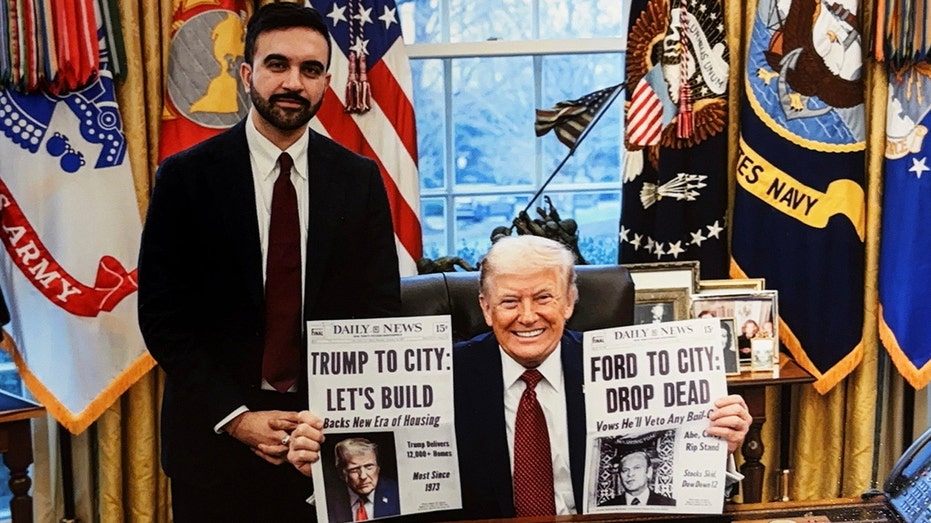
An unexpected dialogue unfolded Thursday within the walls of the White House, centered on the fate of a Columbia University student. New York City Mayor Zohran Mamdani secured a previously unscheduled meeting with former President Donald Trump, a move that immediately sparked curiosity given their historically opposing viewpoints.
The core of their discussion quickly focused on Elaina Aghayeva, a Columbia student detained earlier that day by Immigration and Customs Enforcement. Mamdani, deeply concerned for the student, directly appealed to Trump for assistance, a plea that yielded a surprising result.
Within hours, Trump reportedly informed Mamdani that Aghayeva would be released. The mayor shared the news via social media, detailing the swift turn of events following his conversation with the former president – a remarkable outcome considering their past clashes.
This wasn’t the first instance of an unusual rapport between the two. Mamdani had previously visited Trump in November, shortly after winning the mayoral election, a meeting that initially stunned observers across the political spectrum.
During that initial encounter, Trump offered unexpected praise for Mamdani’s campaign, acknowledging his victory against formidable opponents. He emphasized a shared desire for the city’s success, highlighting common ground on critical issues like housing and affordability.
The White House, however, presented a contrasting narrative leading up to the recent meeting. Press Secretary Karoline Leavitt publicly labeled Mamdani with a pointed political descriptor, yet Trump maintained his openness to dialogue with leaders from all parties.
The atmosphere during the post-meeting press event was equally striking. Trump remained seated while Mamdani stood beside him, fielding questions from reporters. Both expressed a cautiously optimistic outlook, acknowledging their differences but emphasizing potential areas of collaboration.
Trump predicted Mamdani would challenge conventional expectations, potentially surprising both conservative and liberal factions. He suggested a willingness to work together on shared priorities, particularly addressing the rising cost of living for Americans.
A pointed exchange revealed a willingness to bypass complex explanations. When pressed on his previous characterization of Trump, Mamdani began to answer, only for Trump to interject, suggesting a simple “yes” would suffice – a moment highlighting the unusual dynamic between the two leaders.
The situation underscored a willingness, however unexpected, to prioritize a human case over political posturing, resulting in the imminent release of a student caught in the complexities of immigration enforcement.