A shadow fell over Mexico this past weekend, a ripple of unrest sparked by the death of a powerful cartel leader. The news sent shockwaves through popular tourist destinations like Puerto Vallarta and Guadalajara, prompting a U.S. State Department advisory urging citizens to shelter in place.
The initial surge of violence, though concentrated in the state of Jalisco, understandably raised concerns for travelers across the country, even as far away as the Caribbean coast in Cancun. The situation felt precarious, a sudden disruption to vacation plans and a stark reminder of the complexities within Mexico’s borders.
Thankfully, a sense of order has begun to return. The shelter-in-place order has been lifted, airports are reopening, and flight schedules are normalizing in affected areas. However, experts caution that the immediate aftermath could bring retaliatory actions, particularly in Jalisco, Michoacan, and Nayarit.
The potential for further instability, and even longer-term cartel fragmentation, suggests a period of heightened risk. Consider postponing non-essential travel to these regions until the situation stabilizes. If travel is unavoidable, prioritize flexibility – book flights and accommodations that can be easily changed or canceled.
Mexico is a vast country, comprised of 32 states, and the recent conflict was largely localized. While the U.S. State Department maintains a “Level 2 – Exercise Increased Caution” advisory nationwide, specific warnings are in place for Baja California and Jalisco, advising travelers to “reconsider travel.”
Before you go, enroll in the Smart Traveler Enrollment Program (STEP). This free service allows the State Department to contact you quickly in case of an emergency, providing a vital lifeline should the unexpected occur.
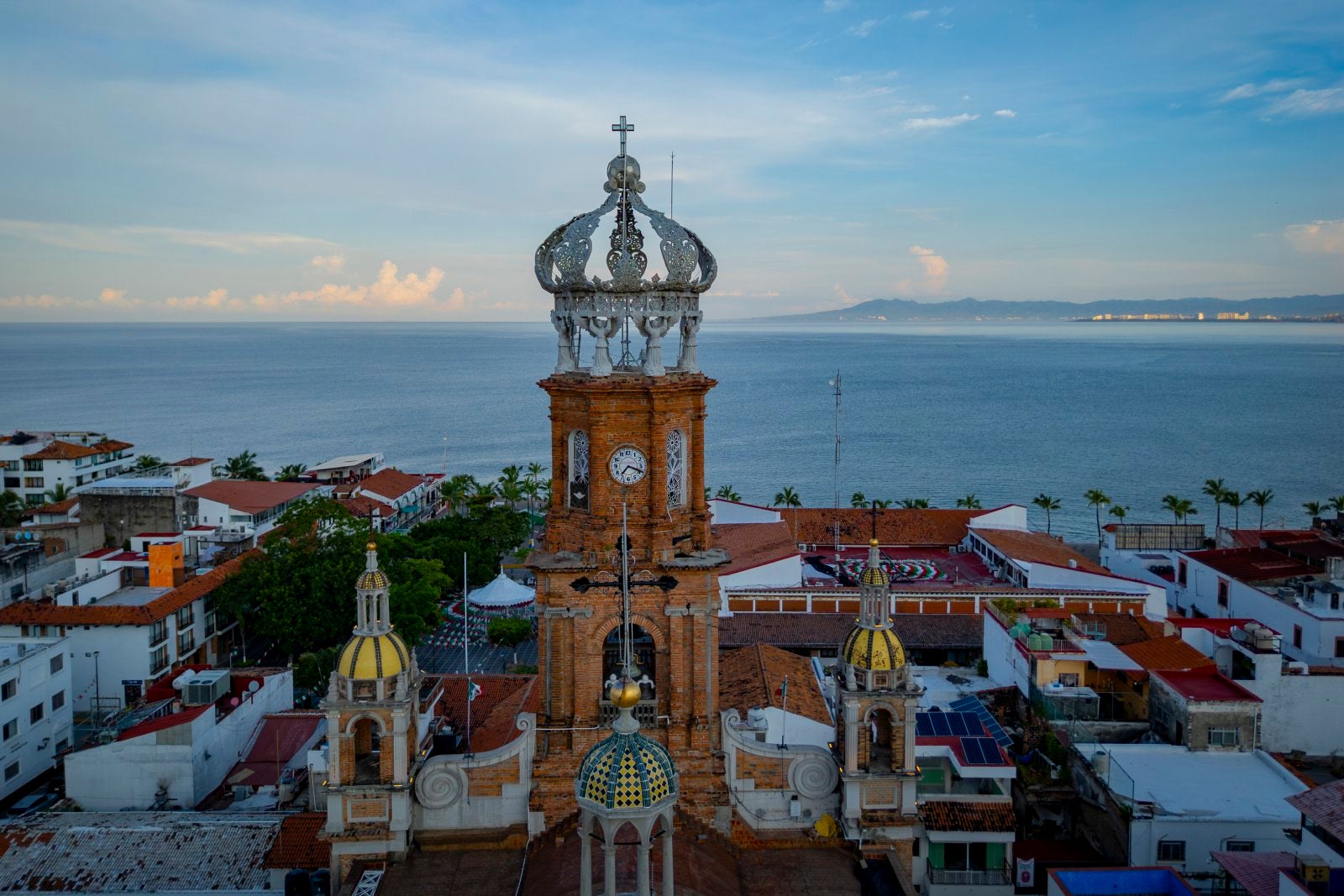
In Guadalajara and Puerto Vallarta, life is resuming a normal pace. Transportation is functioning, restaurants are open, and tourist zones remain unaffected by direct attacks. However, the surrounding volatility makes Jalisco the most vulnerable major tourist region at present.
The good news extends beyond Jalisco. Cancun and the Riviera Maya appear largely unaffected, with a significant deployment of security personnel as a preventative measure. Mexico City experienced minimal disruption, and reports from travelers in Oaxaca and Chiapas indicate a continued sense of safety and security.
While airports in Guadalajara and Puerto Vallarta faced delays earlier this week, operations are now back to normal. However, intermittent disruptions are still possible, so confirming flight status and ground access before heading to the airport is crucial.
Many airlines are offering waivers for changes and cancellations. American, Southwest, United, Delta, Alaska, and Aeromexico are all providing flexibility for travelers impacted by the unrest, allowing adjustments to itineraries without incurring fees.
The cruise industry has also responded, with several major lines canceling or rerouting stops in Puerto Vallarta. While maritime tourism has resumed, some itineraries are being adjusted to include alternative ports like Cabo San Lucas and Mazatlan.
Fortunately, hotels throughout Mexico are currently operating as usual, with resorts in Puerto Vallarta reporting no disruptions to service. The Marriott Puerto Vallarta Resort & Spa, for example, confirmed that operations are continuing without issue.
If you have travel insurance, review your policy carefully. Coverage for cancellations due to civil unrest can be limited, but policies may offer benefits for delays, interruptions, or even political/security evacuation if you are already traveling.
Be aware that once the unrest became public knowledge, it was considered a “known” event, potentially impacting coverage for new policies purchased afterward. “Cancel for any reason” policies offer the most flexibility, allowing for partial reimbursement regardless of the circumstances.
Ultimately, travel to Mexico isn’t universally discouraged. The government’s response has successfully restored a degree of stability. However, a cautious approach – prioritizing flexibility and staying informed – is paramount. The situation remains fluid, and adapting to changing conditions is key to a safe and enjoyable trip.