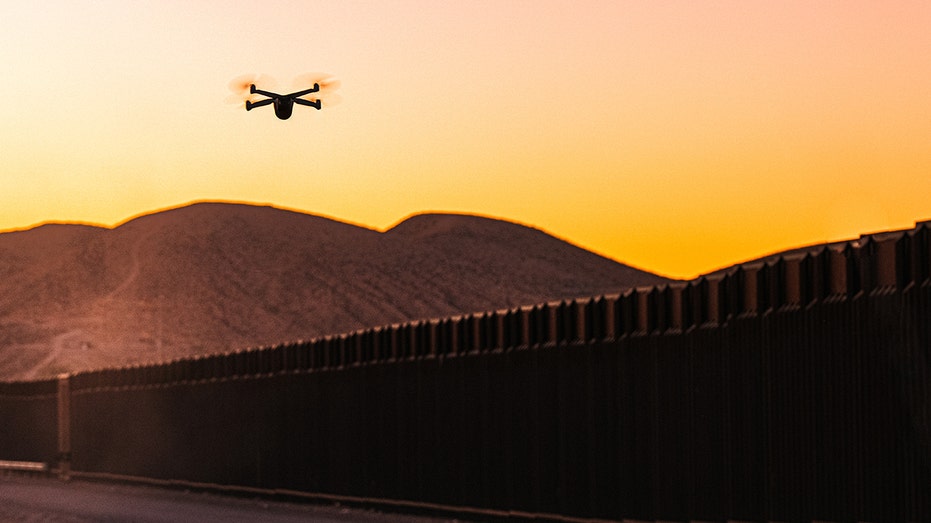
A U.S. Customs and Border Protection drone was reportedly downed near Fort Hancock, Texas, triggering a significant flight restriction over the area. The incident, involving a laser system operated by the Pentagon, has sparked immediate concern and a flurry of investigation within government circles.
Initial reports suggest the drone was mistakenly identified as a threat and engaged by a “high risk counter-unmanned aircraft system.” While official identification remains pending, key members of the Transportation and Infrastructure Committee have stated the downed aircraft belonged to CBP.
Lawmakers expressed outrage, attributing the incident to a lack of coordination and training. They pointed to a previously proposed bipartisan bill designed to address these very issues, which they claim was bypassed by the current administration.
A joint statement from the Department of War, CBP, and the FAA confirmed the use of a counter-unmanned aircraft system in response to an aerial system perceived as threatening within military airspace. They emphasized the engagement occurred far from populated areas and did not impact commercial air travel.
The departments highlighted ongoing collaboration to address drone threats originating from Mexican cartels and potential terrorist organizations along the U.S.-Mexico border. This incident underscores the escalating challenges posed by unauthorized drone activity in the region.
Congressional aides revealed the Pentagon utilized a high-energy laser system, inadvertently targeting the CBP drone. The area near the Mexican border is known for frequent drone incursions, suspected to be operated by drug cartels.
The FAA responded by expanding a temporary flight restriction already in place around Fort Hancock, increasing the safety radius. This action was taken as a precautionary measure, ensuring the security of the airspace.
This incident follows a recent, ten-day grounding of flights to and from El Paso International Airport, initially attributed to similar concerns regarding Mexican cartel drones. A subsequent investigation revealed the U.S. military had mistakenly downed a party balloon in that instance.
The situation highlights a growing tension between border security efforts and the potential for misidentification in a rapidly evolving aerial landscape. Increased cooperation and clearer protocols are now urgently needed to prevent future occurrences.
Authorities are actively working to refine communication and coordination between agencies involved in counter-drone operations. The goal is to mitigate risks and ensure the safety of both civilian and military airspace along the border.


