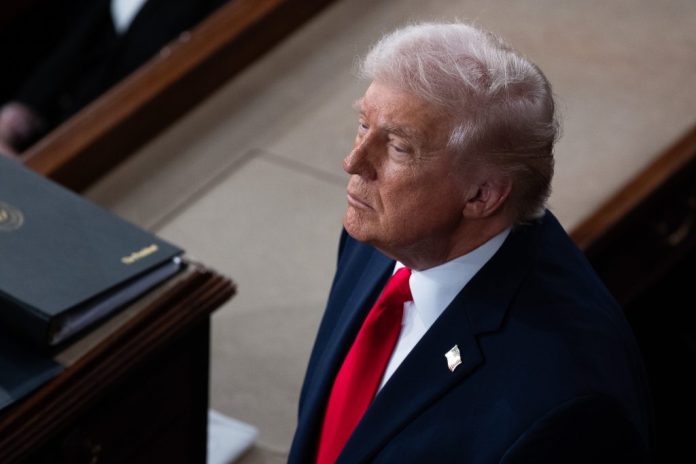
The recent State of the Union address wasn't just a speech; it was a calculated move to redefine the political landscape, according to seasoned columnist Salena Zito. She observed that President Trump possesses a rare ability to highlight fundamental differences between the two parties, a skill often overlooked in modern politics.
A pivotal moment arrived when the President directly challenged members of Congress, asking them to affirm their primary allegiance – to American citizens or to those residing in the country illegally. The response was telling: a unified Republican stand contrasted sharply with the silence from the Democratic side.
Zito characterized this action as a strategic risk, acknowledging the potential for backlash. However, she argued it powerfully exposed a core disagreement, revealing a disconnect between the Democratic party and the prevailing sentiment regarding border security and national priorities.
The lack of Democratic response spoke volumes, Zito suggested, signaling a departure from the concerns of everyday Americans. She posited that the party has become overly focused on opposition to the President, losing sight of the economic issues that truly resonate with voters.
This isn’t simply about political disagreement, but about fundamental values, Zito explained. People are drawn to leaders who embody principles they wish to instill in future generations, and actions perceived as contrary to those values can be deeply alienating.
Beyond the political theater, Zito emphasized the President’s successful focus on the economy. He didn’t present a single narrative, but rather layered multiple economic successes, directly appealing to the financial well-being of voters – a message that clearly resonated.
Ultimately, the address wasn’t about persuading the undecided, but about solidifying existing support and drawing a clear, undeniable line in the sand. Zito believes the President effectively communicated a message of economic strength and national prioritization, successfully connecting with a core segment of the electorate.