A chilling stalemate in Washington appears to be cracking, as the White House has presented what officials are calling a “serious” proposal to end the government shutdown. The offer arrives after weeks of frigid negotiations with Senate Democrats, leaving critical services vulnerable and the nation on edge.
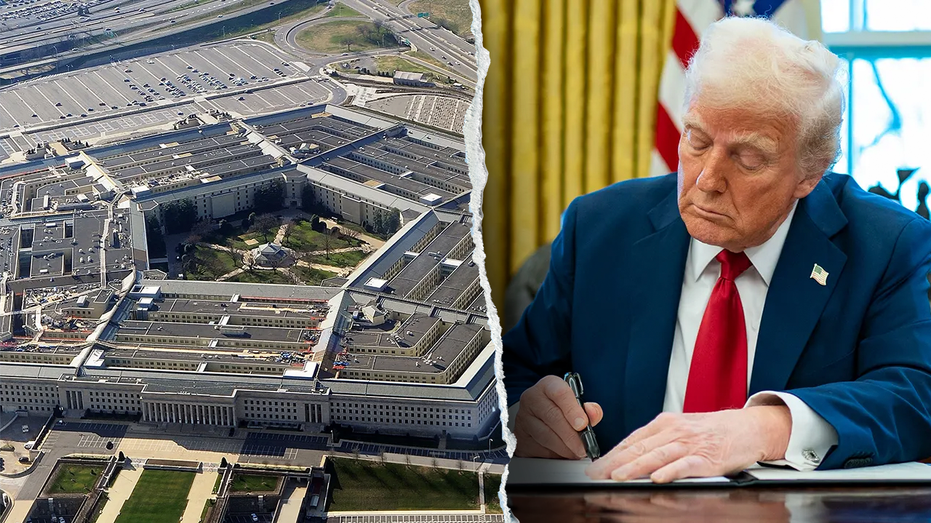
For two weeks, the Department of Homeland Security has operated without funding, a situation exacerbated by lawmakers’ absence from the capital. The shutdown is now poised to stretch into a third week, deepening anxieties about national security and essential aid.
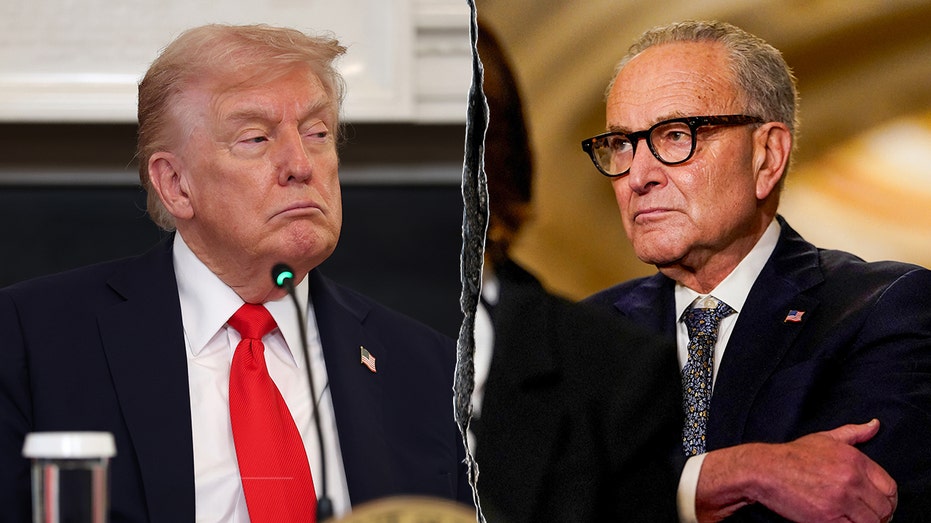
Senate Minority Leader Chuck Schumer and House Minority Leader Hakeem Jeffries confirmed receipt of the White House counteroffer, stating they are meticulously reviewing its contents. Despite the move, Democrats remain steadfast in their demand for substantial reforms to Immigration and Customs Enforcement (ICE).
The core of the conflict lies in Democrats’ push for stricter oversight of ICE, including requirements for judicial warrants and clear agent identification during enforcement operations. These demands have been met with firm resistance from Republicans and the administration, who view them as non-negotiable.
Accusations have flown freely between the parties, with Democrats alleging a lack of seriousness from the White House and Republicans claiming Democrats are prioritizing political gain over the needs of citizens. The impasse has left many questioning the path forward.
Senator John Thune expressed frustration, suggesting Democrats may see political advantage in prolonging the shutdown, a tactic he believes disregards the real-world consequences for those affected. He emphasized the ongoing exchange of proposals, hoping for a compromise.
Senator Elizabeth Warren voiced deep concern over the administration’s perceived lack of urgency regarding the DHS closure, an agency central to the President’s immigration policies. She challenged the notion of granting any law enforcement agency exemption from standard accountability measures.
The debate centers on fundamental questions of power, oversight, and the balance between security and civil liberties. As the shutdown continues, the pressure mounts on both sides to find a resolution that addresses these concerns and restores vital government functions.

![BANNON UNLEASHES: Detroit Election Files EXPOSE MASSIVE Fraud?! [WATCH]](https://www.thegatewaypundit.com/wp-content/uploads/2026/02/steve-bannon-jim-and-me--1200x630.jpg)