Mark Carney’s arrival in Mumbai wasn’t a ceremonial visit; it was a mission to repair a fractured relationship. He inherited a complex situation, one stemming from years of missteps and political calculations that prioritized domestic gain over strategic international partnership.
For decades, the potential for a strong bond between Canada and India remained largely untapped. Despite shared history as Commonwealth nations with common legal frameworks, and a significant Indian diaspora within Canada, a truly close relationship never materialized – a consequence of post-colonial sensitivities and shifting geopolitical priorities.
The groundwork for a new era began to form in 2012, when then-Prime Minister Stephen Harper initiated discussions for a free trade agreement. Progress was made, and by the spring of 2015, a deal seemed within reach, with Prime Minister Narendra Modi and Harper nearing an agreement.
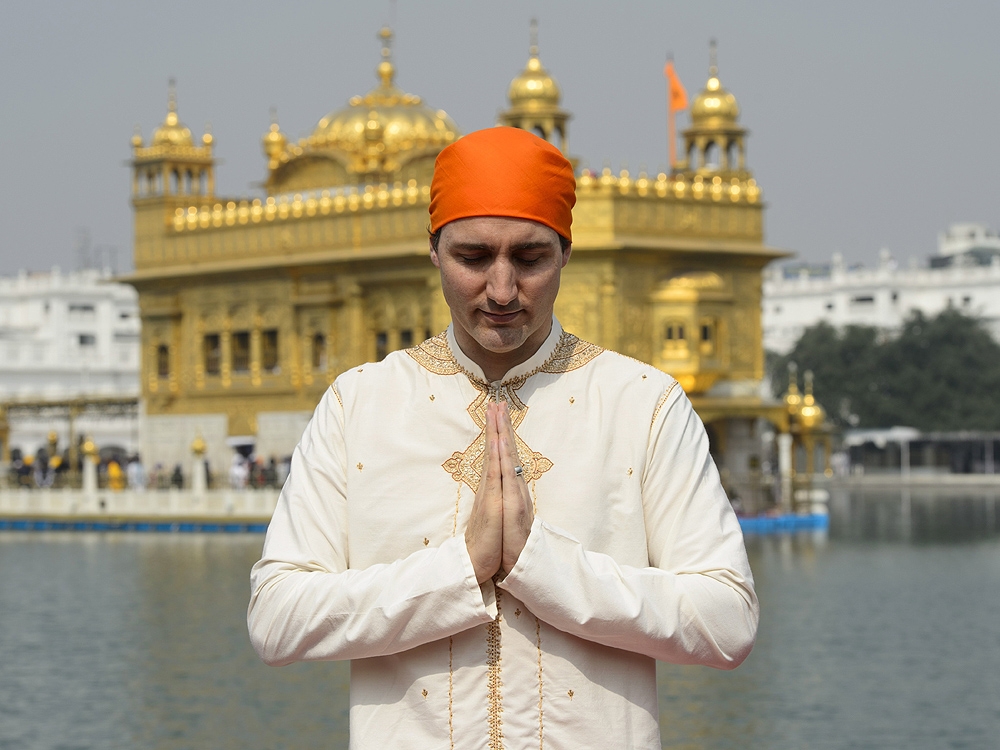
That momentum abruptly stalled with a change in leadership. The subsequent administration prioritized domestic political considerations, seemingly at the expense of fostering stronger ties with India. A highly publicized 2018 visit, filled with carefully curated photo opportunities, was met with skepticism from Indian media.
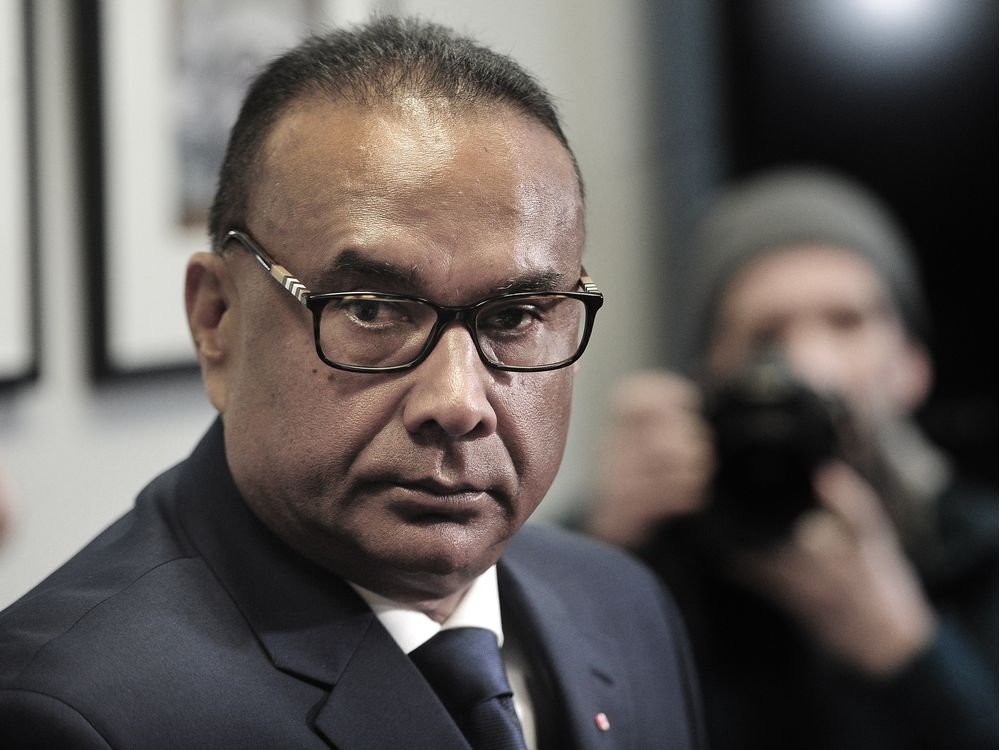
The situation deteriorated further with a series of diplomatic missteps. A controversial invitation extended to a Canadian with a history of violence, previously convicted of attempted murder, became a major point of contention. This incident, coupled with interference in internal Indian affairs, like supporting protests involving farmers, strained relations.
The most damaging blow came with accusations leveled against India regarding the death of a Canadian citizen involved in the Sikh separatist movement. This accusation severed diplomatic ties and plunged the relationship into crisis, leaving a significant repair effort for Carney.
Ahead of Carney’s visit, government officials signaled a shift in perspective, stating there was no current evidence of Indian interference within Canada. While skepticism remains, this acknowledgement opens a path toward rebuilding trust and focusing on mutual benefits.
Saskatchewan, a province historically leading Canadian exports to India in vital sectors like food, fuel, and fertilizer, exemplifies the lost potential. Premier Scott Moe, continuing the work of his predecessor Brad Wall who attended the 2015 trade talks, now accompanies Carney, highlighting the economic opportunities at stake.
India has expressed a clear willingness to purchase Canadian energy resources – crude oil, LPG, and LNG – a demand that was previously unmet. This represents a significant opportunity for Canada, and a clear indication of India’s continued interest in a strengthened partnership.
Carney faces a considerable challenge, but the potential rewards are immense. Re-establishing a strong, mutually beneficial relationship with the world’s most populous democracy is not just a diplomatic necessity, but a strategic imperative for Canada’s future.