The echoes of President Trump’s State of the Union address hadn’t faded when a wave of sharp criticism erupted from Democrats on Capitol Hill. Accusations of falsehoods dominated the immediate response, painting a picture of deep disagreement with the President’s assessment of the nation’s progress.
Several Democratic lawmakers directly challenged Trump’s claims regarding economic affordability, arguing his attempts to attribute current hardships to the previous administration were unfounded. Senators Warner and Blumenthal voiced this sentiment, suggesting the President’s narrative didn’t align with reality.
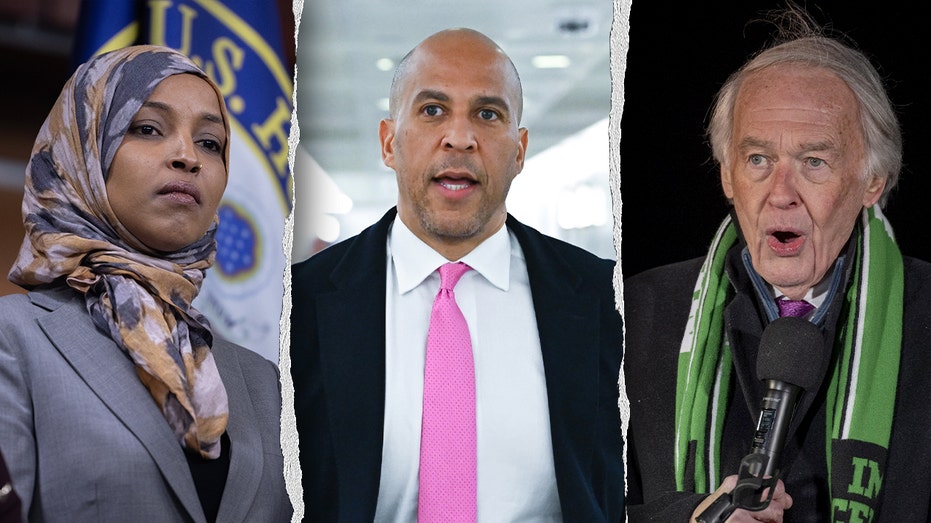
The address itself became a point of contention for some, prompting visible displays of dissent. Senator Markey dramatically left the chamber during Trump’s remarks on improving national health, declaring the President’s statements a blatant “lie.”
Senator Booker echoed the sentiment, dismissing the need to dissect each alleged inaccuracy. “I don’t want to respond to all of Dr. Trump’s lies,” he stated, signaling a widespread belief that the address was riddled with misrepresentations.
Amidst the criticism, a surprising concession emerged from Senator Blumenthal. He acknowledged the border had indeed become more secure under the current administration, a point seemingly aligning with Trump’s claims.
However, Blumenthal quickly pivoted, tempering his agreement with a strong condemnation of the methods employed to achieve that security. He emphasized the need for reforms to prevent what he described as “regrettable and inhumane” tactics and violations of constitutional rights.
For Representative Omar, the President’s address triggered deeply personal and painful memories. She pointedly reminded observers that two of her constituents had died during actions carried out by Immigration and Customs Enforcement (ICE) under the current administration.
Omar’s frustration was palpable, framing her interruptions during the speech as necessary reminders of these tragic events. She reiterated her long-held position on defunding ICE, linking any potential support to accountability for the deaths of Renee Good and Alex Pretti.
The demand for justice and accountability for those deaths overshadowed any discussion of compromise, highlighting the profound divide and the raw emotions surrounding immigration policy and enforcement.
The immediate aftermath of the State of the Union revealed not a unified response, but a fractured landscape of accusation, disagreement, and deeply held convictions, signaling a continued period of intense political friction.


