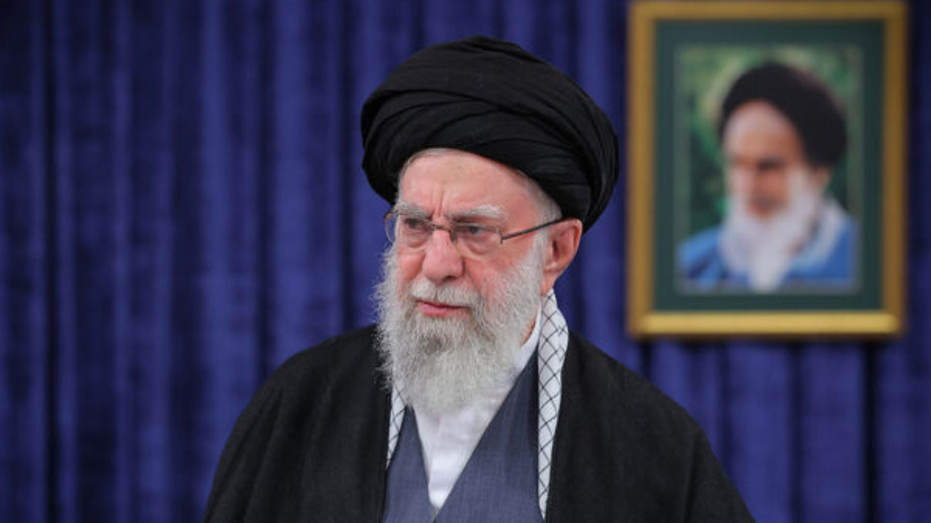
Under the veil of pre-dawn darkness, a coordinated aerial assault struck targets within Iran, confirmed by a high-ranking Israeli official. The operation, meticulously planned and executed, focused on locations connected to Ayatollah Ali Khamenei, Iran’s Supreme Leader, and reportedly, the nation’s president. This marked the opening salvo in what was described as a far-reaching campaign.
The operation, internally dubbed “Epic Fury,” unfolded as a joint effort between Israeli and U.S. forces. Intelligence suggested Ayatollah Khamenei had anticipated the strikes, relocating to a secure, undisclosed location prior to the bombardment. The intent, according to statements released shortly after, was nothing less than a complete dismantling of Iran’s military capabilities and its nuclear ambitions.
A direct message was delivered to the Iranian people via video statement. The message, stark and resolute, promised a future free from the current regime, framing the unfolding events as an opportunity for change. It was a bold declaration, suggesting the possibility of internal upheaval and a shift in power within Iran.
Tehran’s response was immediate and defiant. Despite the scale of the attack, officials vowed to defend their nation against any further aggression. This firm stance signaled a refusal to concede, setting the stage for a potentially protracted and escalating conflict.
For weeks leading up to the strikes, a formidable U.S. naval presence had been building in the region, an “armada” as it was previously described. This wasn’t a spontaneous reaction, but a deliberate display of force, a calculated demonstration of readiness and capability. The positioning of these assets spoke volumes, communicating a clear message of intent.
At the core of this naval deployment were two aircraft carrier strike groups: the USS Abraham Lincoln and the USS Gerald Ford. These floating fortresses, surrounded by a protective screen of destroyers, represented immense firepower and the capacity for precise, targeted strikes. Dozens of additional warships reinforced this already imposing presence.
This strategic distribution of forces was key. Rather than concentrating power in a single, vulnerable location, the U.S. Navy had layered its assets, creating a network capable of operating from multiple directions simultaneously. This complexity significantly complicated any potential Iranian response.
The immediate future remains uncertain. While Iran has pledged retaliation, the form and timing of that response are unknown. The targeting of senior leadership, coupled with the overwhelming U.S. naval presence, has created a volatile and dangerous situation – one of the most precarious moments in the long and fraught history between Israel, Iran, and the United States.