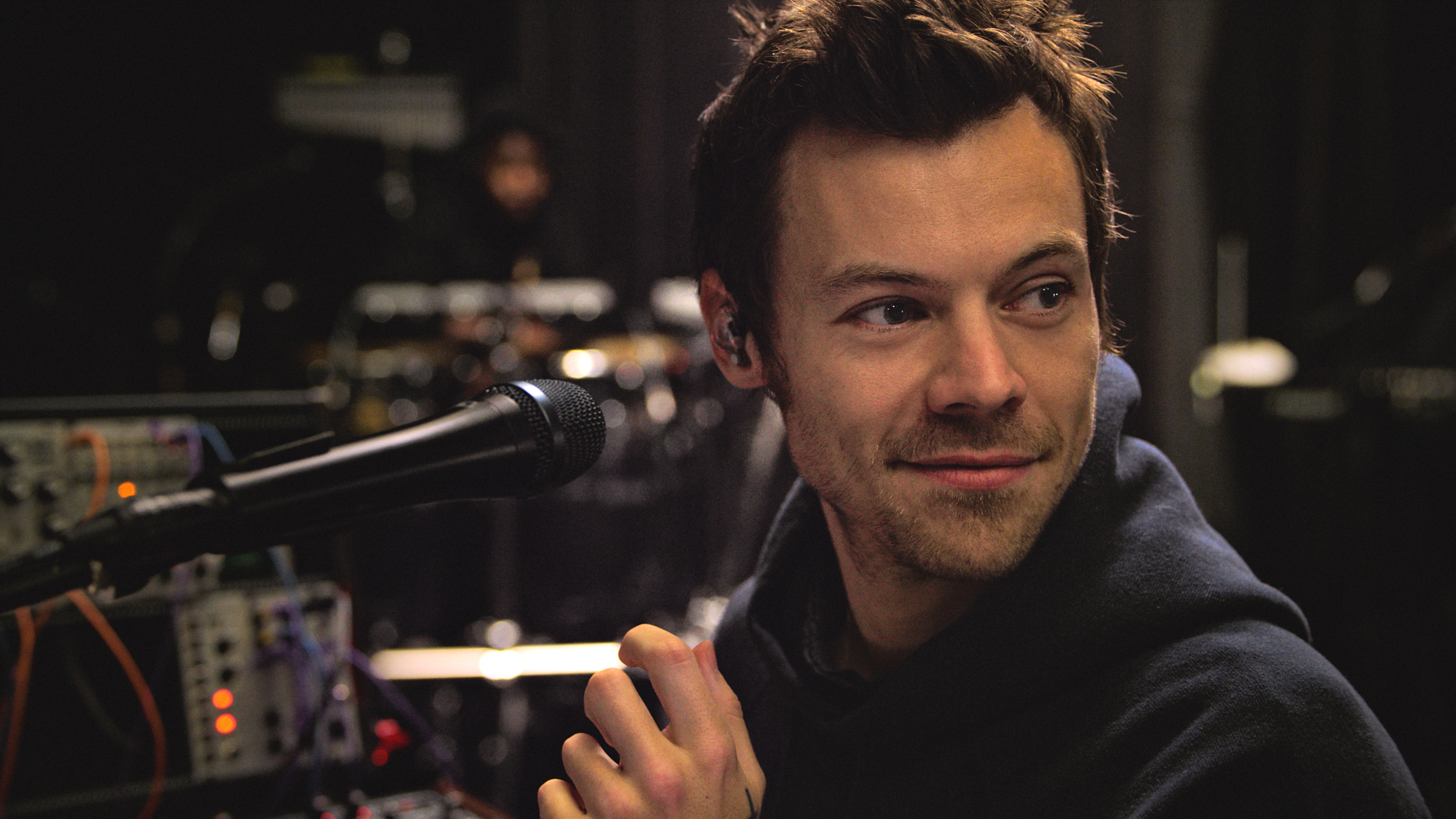
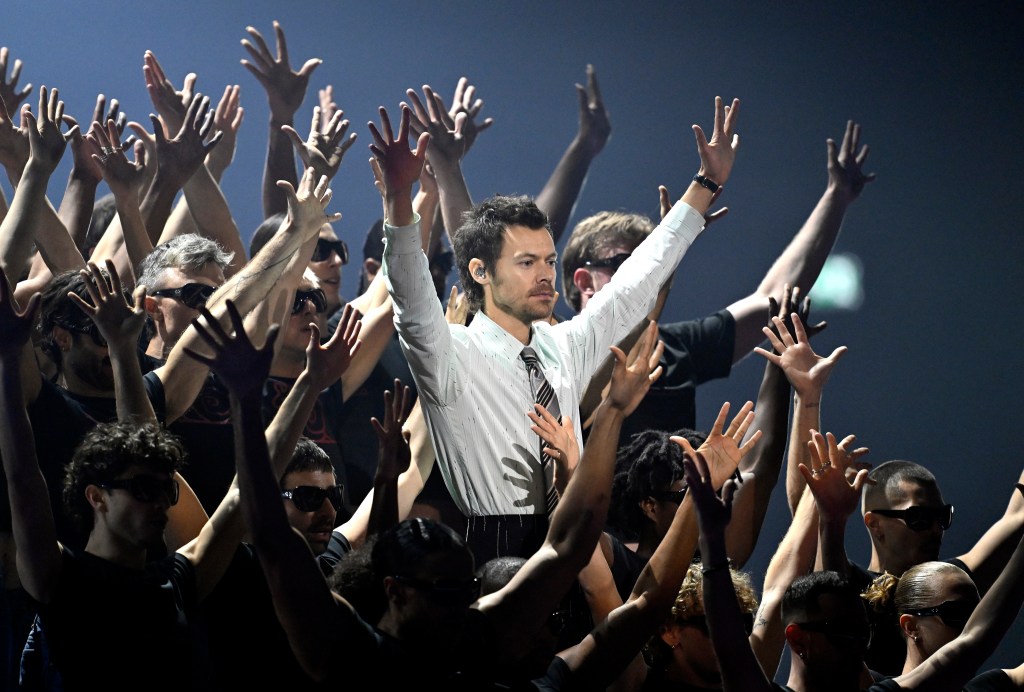
The energy of a live Harry Styles concert is about to explode onto screens worldwide. His electrifying performance, “One Night in Manchester,” celebrating the release of his album *Kiss All the Time*, will be exclusively available on a major streaming platform.
This isn’t just another concert film; it marks a pivotal moment in how live music is experienced. For the first time, the artist will deliver a full concert experience directly to a global audience through a streaming service, bypassing traditional broadcast methods.
The Manchester show serves as a thrilling prelude to his ambitious “Together, Together” tour. This tour promises an extensive run of dates, including an impressive 30 nights at the iconic Madison Square Garden and 12 nights at London’s Wembley Stadium.
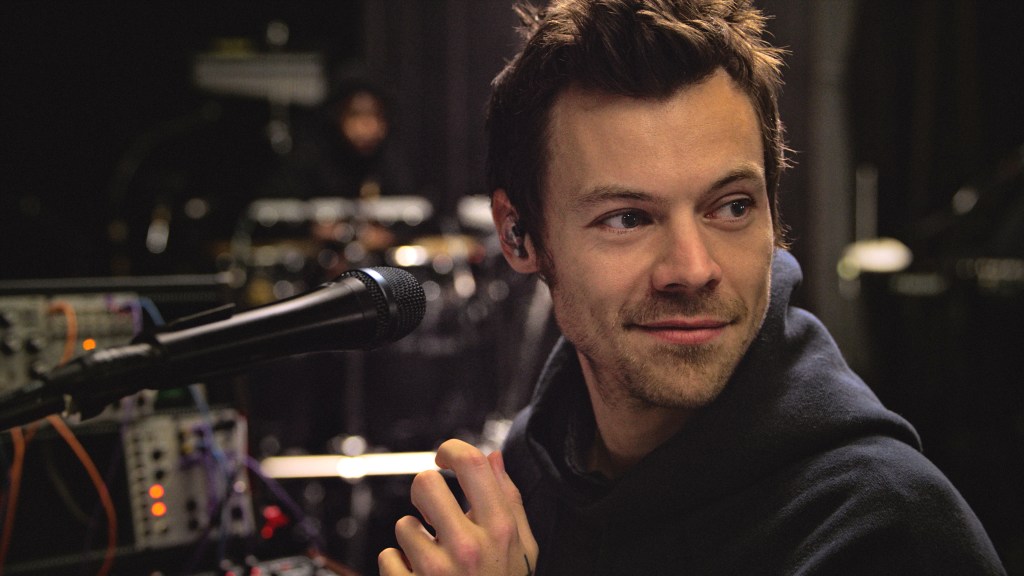
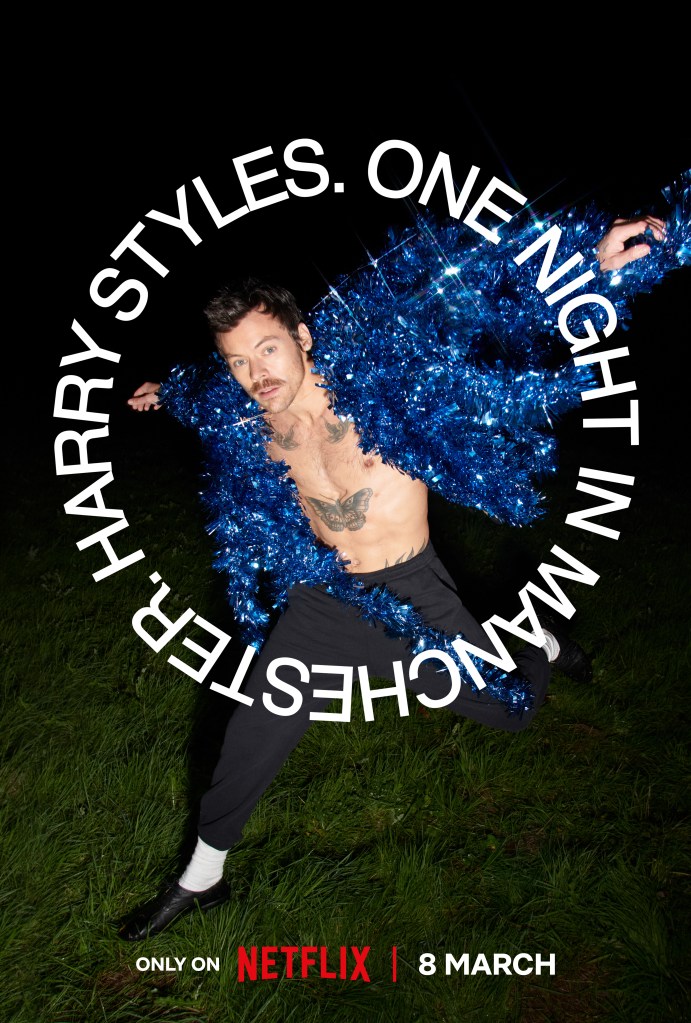
The concert itself took place on March 6th in Manchester, England, at the Co-op Live arena. But for those unable to attend in person, the experience will be available to stream globally starting March 8th.
Mark your calendars: the stream will begin at 7pm GMT (3pm ET, 12pm PT). The platform has made the performance accessible to all its subscribers, regardless of their chosen plan.
Securing a ticket to the actual Manchester event proved to be a monumental challenge. The initial release sold out almost instantly, creating a frenzy among devoted fans.
Resale markets quickly emerged, but organizers were vigilant. Ticketmaster actively worked to invalidate and refund any tickets sold in violation of their terms, aiming to protect the integrity of the event and its intended attendees.
While many fans were understandably disappointed at missing the live experience, this streaming release offers a remarkable alternative – a chance to witness the spectacle from the comfort of home.
Adding a unique twist to the evening, the concert was designated a “phone-free” event. Attendees were asked to securely lock away their smartphones for the duration of the performance.
In their place, each concertgoer received a disposable camera, encouraging a more immersive and present experience, focused on feeling the music rather than filming it. Access to phones remained available for emergencies, but the camera function was disabled.