Connor Storrie’s debut on Saturday Night Live has ignited a firestorm of discussion, extending far beyond typical post-show chatter. While many praised his performance as playful, touching, and genuinely funny, one particular sketch has dominated the conversation – and not for the right reasons.

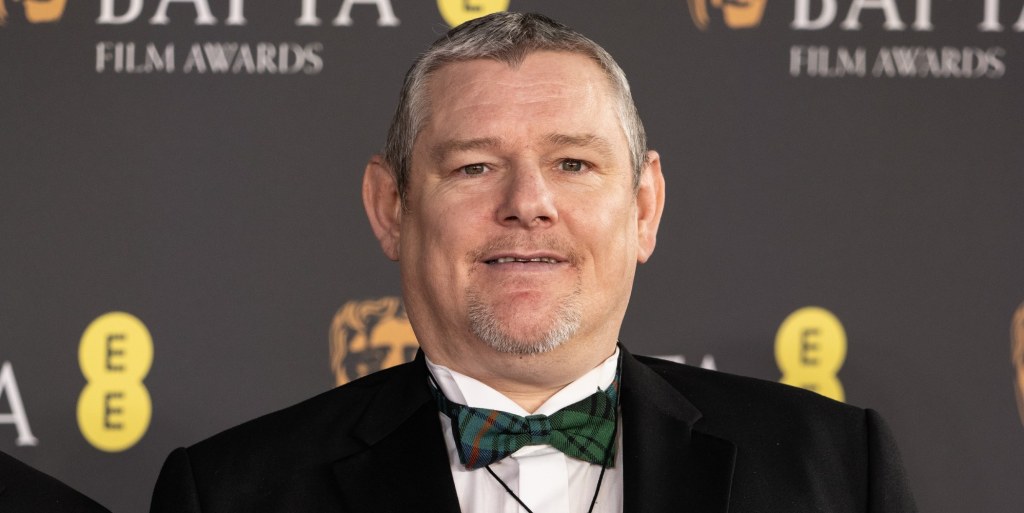
The controversy centers around a sketch titled ‘Tourette’s,’ which directly addressed the incident at the recent BAFTAs. During the awards ceremony, John Davidson, a campaigner with Tourette syndrome, involuntarily uttered a racial slur while presenting an award, an event the BBC chose not to edit from the broadcast, sparking immediate outrage and apologies.
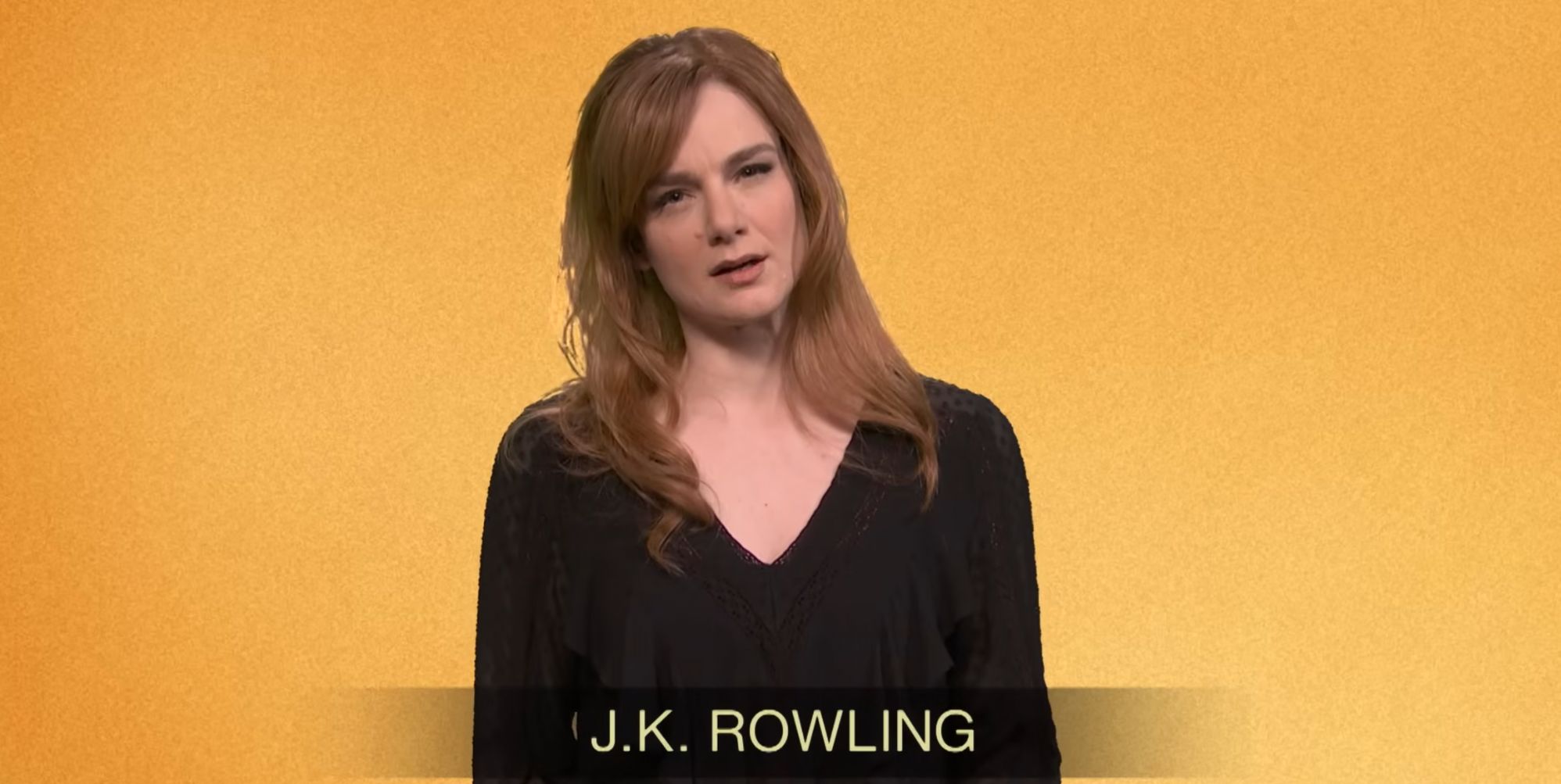
The SNL sketch opened with a clip of the BAFTA moment, framing the slur as an “involuntary verbal tic.” It then evolved into a celebrity public service announcement, featuring parodies of figures known for controversial statements. The premise? Each celebrity attributed their past offenses to undiagnosed Tourette syndrome.
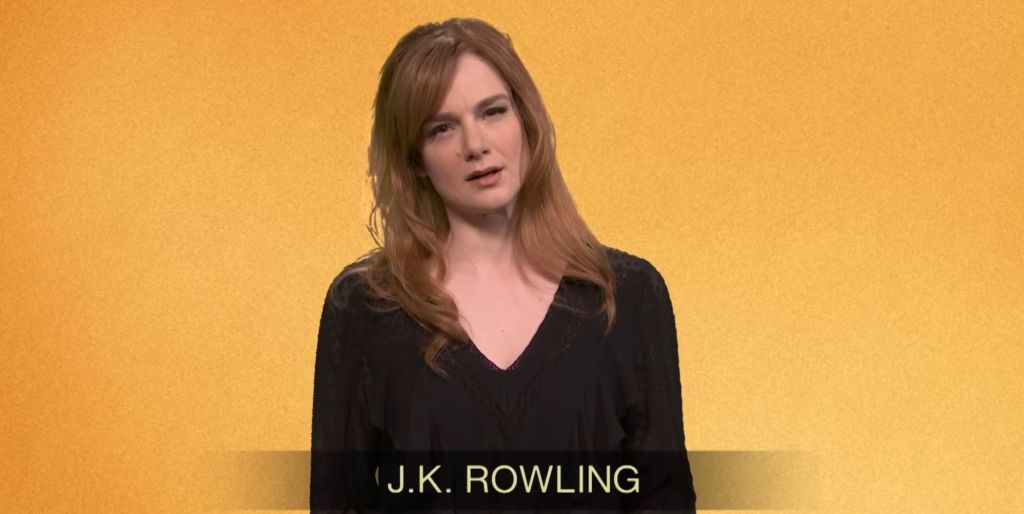
The satirical targets included Mel Gibson, Bill Cosby, Louis C.K., and JK Rowling, each portrayed as having their problematic behavior explained away by the condition. Storrie himself took on the role of Armie Hammer, delivering a darkly humorous line about the alleged link between Tourette’s and cannibalistic urges.
The sketch concluded with a jarring tagline from a fictional organization, the “National Workforce of Rethinking Disabilities (NWORD).” This provocative ending, however, did little to soften the blow of what many viewers found deeply offensive.
The backlash was swift and severe. Fans and Tourette syndrome advocates alike condemned the sketch as a cruel mockery of a debilitating condition, arguing it perpetuated harmful stereotypes and misinformation. The timing, following a week of increased scrutiny and misunderstanding surrounding Tourette’s, only amplified the hurt.
Tourettes Action, a leading British support charity, issued a strong statement, calling the sketch “not acceptable” and emphasizing that mocking a disability is never justifiable. They highlighted the pain inflicted on the community by the skit’s attempt at humor.
Online, viewers added community notes to the sketch on X, formerly Twitter, explaining the reality of coprolalia – the involuntary outburst of offensive language experienced by some with Tourette’s – and condemning the sketch’s insensitivity. Many simply labeled it “unfunny” and “vile.”
Comparisons were drawn to a 2007 South Park episode that satirized the *misunderstanding* of Tourette’s, a key distinction critics pointed to. While South Park aimed to expose ignorance, SNL’s sketch was perceived as actively contributing to it.
John Davidson, the campaigner at the center of the BAFTA incident, has remained largely silent on the SNL sketch. However, in a Facebook post following the awards show, he expressed regret for any pain caused by his involuntary outburst while reaffirming his commitment to raising awareness about Tourette syndrome.
Davidson acknowledged the challenges of living with the condition and the long road ahead in achieving true understanding and acceptance, a sentiment that resonates deeply in the wake of the SNL controversy.