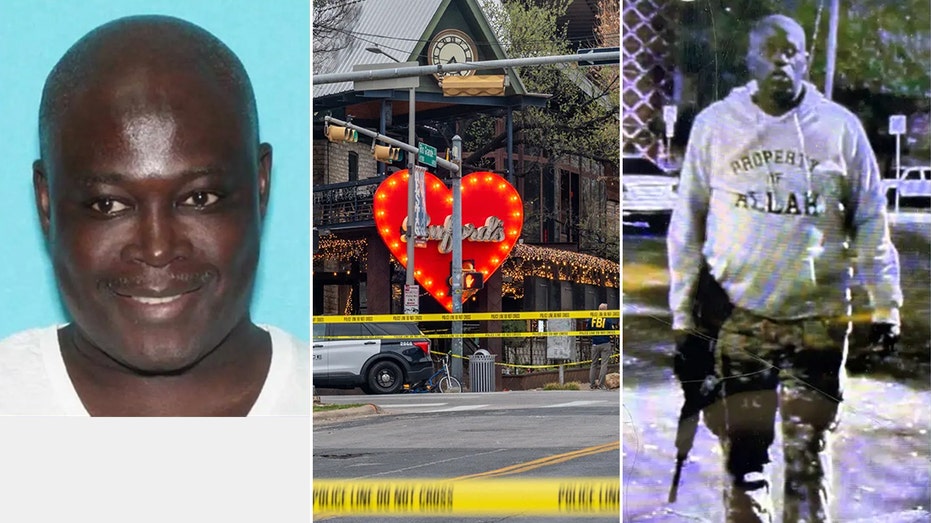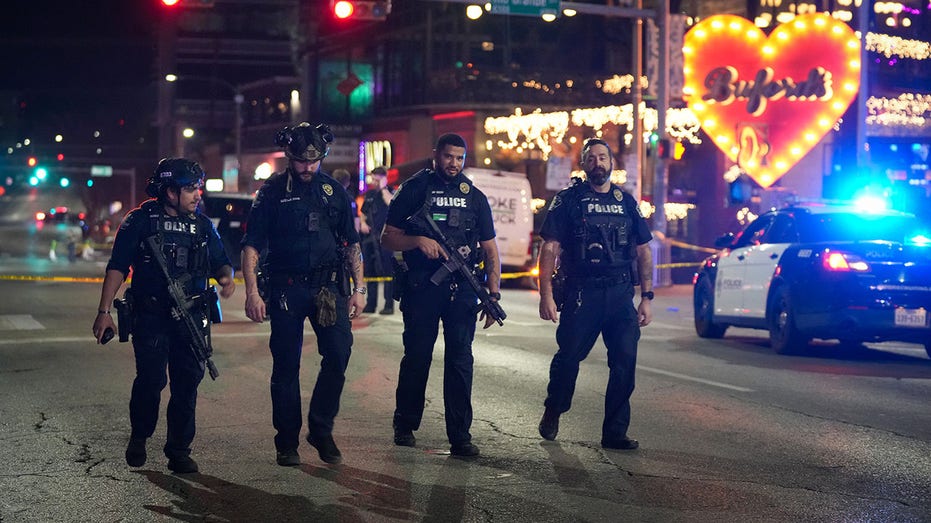
A chilling scene unfolded in Austin, Texas, as a gunman unleashed terror upon a crowded beer garden, claiming three lives and wounding thirteen others. The swift response of Austin police officers brought the rampage to an end, but the aftermath ignited a political firestorm.
Travis County District Attorney Jose Garza emphatically declared his office will not pursue charges against the officers involved, labeling reports to the contrary as deliberately false and politically motivated. He stood firm, calling the officers “heroes” whose actions prevented an even greater catastrophe.
The controversy stems from a 2021 policy instituted by Garza requiring all officer-involved shootings and serious use-of-force incidents to be presented to a grand jury for review. This policy, critics allege, was driven by the Wren Collective, a progressive criminal justice reform nonprofit advocating for sweeping changes to the American justice system.
Doug O’Connell, representing the officers through the Austin Police Association, believes the Wren Collective actively directed Garza to implement this review process, fueled by what he describes as an anti-law enforcement bias. The policy casts a shadow over officers, forcing them to consider potential legal repercussions with every call.
The gunman, identified as 53-year-old Ndiaga Diagne, a naturalized U.S. citizen, opened fire at Buford’s Backyard Beer Garden, tragically ending the lives of Savitha Shan, 21, Jorge Pederson, 30, and Ryder Harrington, 19. The city mourns the loss, grappling with the senseless violence.
Jessica Brand, founder of the Wren Collective, expressed gratitude for the officers’ actions, acknowledging their role in potentially saving countless lives. She emphasized the profound grief felt by the community and extended support to the victims and their families.
The situation has drawn the attention of Texas Governor Greg Abbott, who asserted his ultimate authority over the fate of the officers, even if the District Attorney pursues charges. He praised the officers as heroes, promising to intervene if necessary.
Critics argue the mandatory grand jury review lacks transparency and fairness, granting the District Attorney disproportionate power. Defense lawyers are excluded from presenting evidence, raising concerns about potential manipulation and biased outcomes.
Michael Bullock, president of the Austin Police Association, contends that a grand jury review is unnecessary given the available information. He highlighted the immense stress placed on officers, forced to wait over a year for resolution in many cases.
The debate underscores a growing tension between calls for police accountability and the need to support law enforcement officers facing increasingly dangerous situations. Every dispatch now carries the weight of potential legal scrutiny, adding another layer of risk to an already perilous profession.