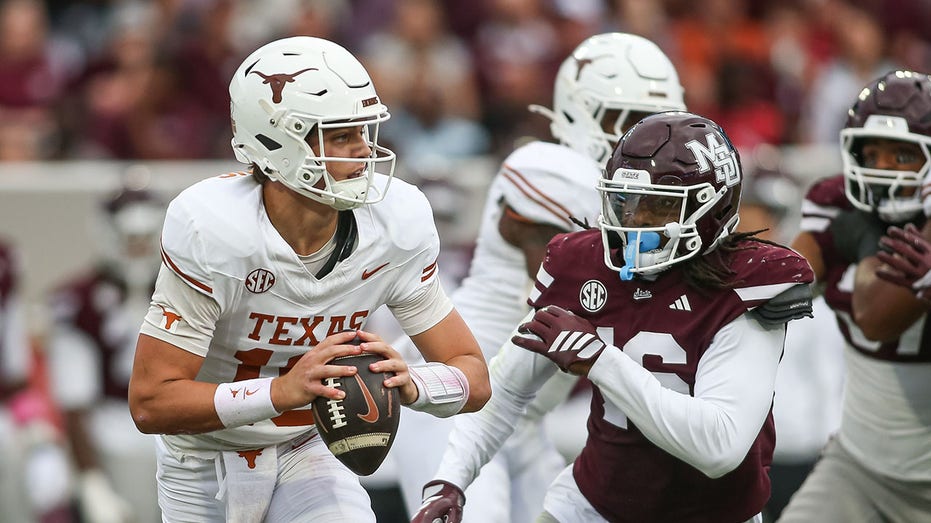
A former professional football player and seasoned athlete advocate has voiced strong opposition to the Protect College Sports Act, citing concerns that federal oversight could undermine the very opportunities the law seeks to protect.
The advocate has spent years assisting high‑school and college athletes in securing name, image, and likeness (NIL) deals and professional contracts, aiming to create pathways for long‑term careers.
The Act proposes a centralized federal system to regulate college sports, with the goal of bringing order to what many describe as a chaotic market.
Critics argue that the proposed framework could jeopardize the flexibility and innovation that have allowed athletes to monetize their personal brands and gain valuable experience.
Reform is widely deemed necessary, yet many believe that solutions should arise from the institutions that have historically driven college athletics—schools, conferences, and local communities—rather than distant bureaucrats.
Complex, rapidly changing NIL regulations have made it difficult for families to navigate the process, with rules shifting frequently and creating uncertainty for both athletes and institutions.
Stories of families benefiting from NIL income—such as parents easing financial pressure or young athletes discovering new career possibilities—highlight the tangible impact of these arrangements.
Those closest to athletes—players, coaches, and recruiters—are considered best positioned to understand the unique challenges each individual faces.
When decision‑making moves away from the immediate environment of athletes, the costs are often borne by the players themselves, who may lose control over their own futures.
Advocates call for reforms that clarify rules, stabilize the system, and empower the people who have built college sports, ensuring that opportunities continue to open rather than close.