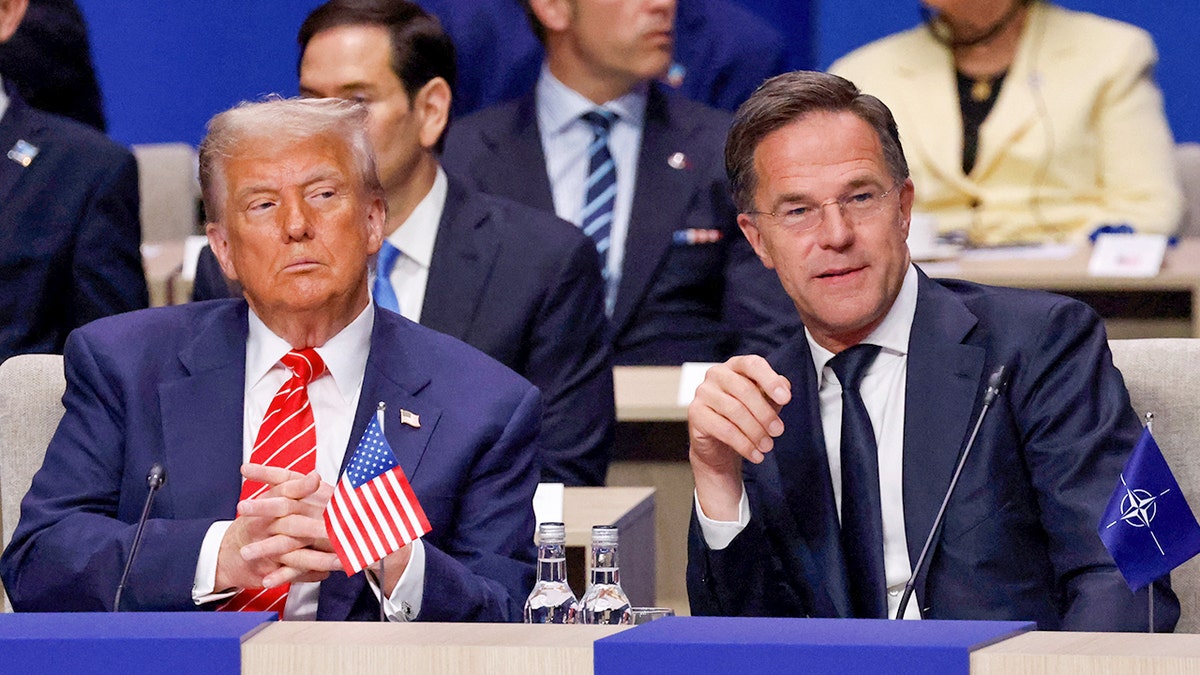
American public opinion on NATO remains robust, according to a nationwide poll conducted before the 2026 summit in Ankara. Three-quarters of respondents—73% overall—believed that U.S. membership in the alliance is essential for national security and prosperity. The support spans both major political parties, with 61% of those identifying as MAGA Republicans also in favor.
The same survey found that 72% of Americans would back U.S. military action if a NATO ally were attacked, and 69% of MAGA Republicans endorsed the collective defense principle. These figures illustrate a widespread understanding that NATO is a strategic partnership rather than a charity. They also highlight a belief that the alliance deters adversaries and protects U.S. interests.
However, the poll reveals a split on the question of withdrawal. While 55% of respondents opposed pulling the United States out of NATO, 63% of MAGA Republicans supported such a move. The contrast underscores a paradox: many Americans see value in the alliance’s outcomes yet question its structure and U.S. participation.
Future U.S. commitment may hinge on tangible performance and a clearer burden‑sharing framework. European allies have moved toward meeting the guideline of 2% of GDP in defense spending, and a target of 5% has been set for the coming years. Early indicators show that spending has risen to roughly 4% of GDP, with gains in procurement, modernization, and industrial capacity.
U.S. policy emphasizes enabling European partners to assume a greater share of defense responsibilities, rather than withdrawing from the alliance. This shift is intended to strengthen the partnership and reduce dependence on the United States. It signals a strategic realignment toward shared security responsibilities.
Strengthening European defense capabilities and meeting the burden‑shift targets reinforce NATO’s relevance to U.S. security. Demonstrable progress in modernization and industrial development benefits both European economies and the broader alliance. Continued investment in these areas is viewed as the most critical factor for sustaining transatlantic cooperation.