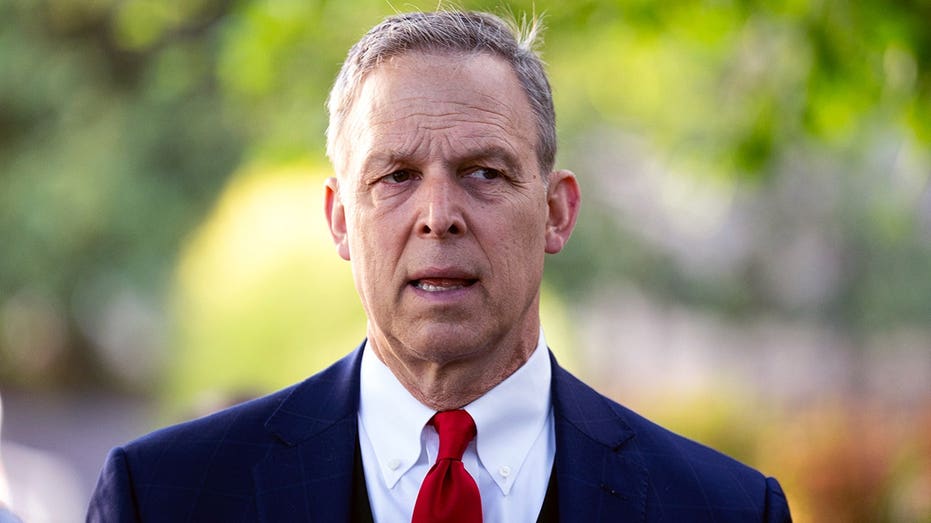
The "kill switch" provision in the Infrastructure Investment and Jobs Act has come under fire from Rep. Scott Perry, R-Penn., who has introduced a bill to repeal the mandate that requires all new cars to come preinstalled with technology that monitors a driver's blood alcohol levels and can shut their vehicle off remotely.
The No Kill Switches In Cars Act, a two-paragraph bill, aims to nix the provision that mandates all new cars contain technology which "monitors a driver's performance to identify driver impairment" and which "must also prevent or limit vehicle operation if the system determines the driver may be intoxicated or impaired."
Perry argued that the law is an encroachment on the civil liberties of Americans and would violate the Constitution's Fourth Amendment, making vehicles unnecessarily expensive. He cited the example of a pregnant woman who may need to drive quickly to the hospital, only to have her car shut off due to the vehicle's algorithms.
Perry also raised concerns about the potential for the kill switch to be used improperly, such as in cases where a driver is not under the influence of alcohol but is experiencing a medical emergency. He noted that the technology is not yet proven to be accurate and that the error rate would be unacceptably high.
The National Highway Traffic Safety Administration (NHTSA) missed a 2024 deadline to codify the law in its vehicle manufacturing regulation code, in part due to the logistical challenges of a lack of available monitoring technology. A spokesperson for the agency noted that detection technology around the legal limit continues to have an error rate that would be unacceptably high.
Perry has gained support from 21 lawmakers, but advocacy organizations like Mothers Against Drunk Driving (MADD) disagree with the premise of the term "kill switch." MADD stated that the law directs the NHTSA to develop a federal vehicle safety standard through an open, transparent rulemaking process, which includes public input, rigorous testing, and strong privacy safeguards.
Perry emphasized that he is not opposed to efforts to mitigate drunk driving, but believes that the kill switch provision goes too far. He noted that Americans should be able to buy a car without being forced to have expensive technology installed, and that the focus should be on enforcing existing laws and cooperating with law enforcement rather than punishing innocent drivers.
The debate highlights the tension between protecting individual privacy and preventing drunk driving. MADD believes that Americans should not have to choose between the two, and that the law can be implemented in a way that protects both. However, Perry remains skeptical and is pushing for the repeal of the provision.
The issue is expected to continue to be a topic of debate in Congress, with the fate of the kill switch provision hanging in the balance. As the discussion continues, one thing is clear: the safety and privacy of American drivers are at the center of the debate.