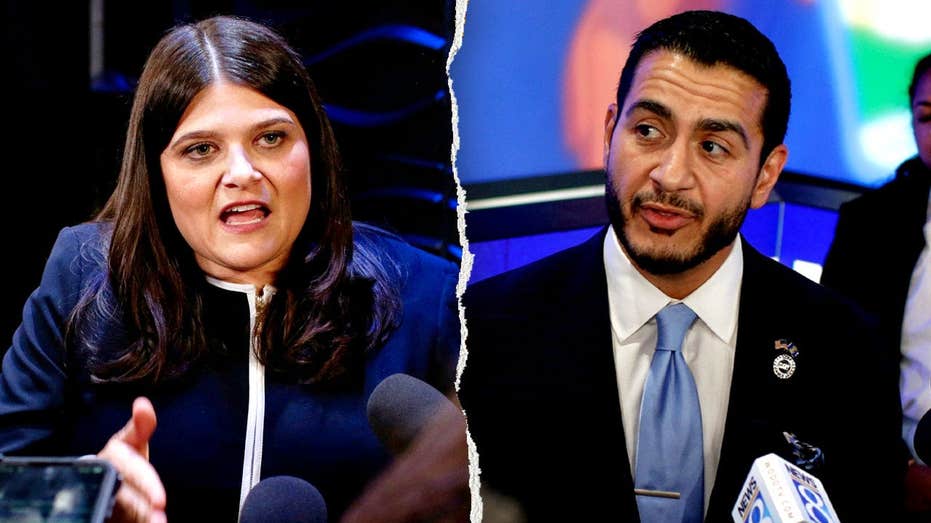
Sen. Bernie Sanders criticized Rep. Haley Stevens, framing the Michigan Democratic Senate primary as a contest between progressive candidate Abdul El‑Sayed and the billionaire class, not between the two candidates.
Sanders made the remarks at a Detroit rally where he endorsed El‑Sayed, who will face Stevens in the August 4 primary. “In all due respect to Haley Stevens, everybody knows this is not an election between her and Abdul,” Sanders said. “This is an election between Abdul and the billionaire class.”
Sanders highlighted massive spending against El‑Sayed, saying wealthy donors and outside groups have poured unprecedented sums into the race. He claimed the billionaire class has already spent $50 million against him, urging voters to question why the richest people are investing tens of millions to defeat a progressive candidate. Outside groups, he added, have outspent El‑Sayed’s campaign by a 12‑to‑1 margin.
Advertising data shows super PACs backing Stevens are spending roughly $26.9 million on television ads in the final five weeks, compared with about $2.1 million for El‑Sayed. The flood of money, Sanders argued, demonstrates that powerful interests view the progressive candidate as a threat to their agenda.
El‑Sayed has been endorsed by Sanders and other prominent progressives, while Stevens carries the backing of Senate Minority Leader Chuck Schumer and retiring Senator Gary Peters. The race has become a proxy battle over the Democratic Party’s future direction, with the winner expected to face Republican Mike Rogers in November.
Stevens, who has represented Michigan’s 11th Congressional District since 2019, previously served on the Obama administration’s auto industry task force. Her recent campaign appearances have drawn viral attention, including a speech mocked as resembling a classic “Saturday Night Live” sketch and a 2020 floor speech in which she continued speaking after her time expired while wearing pink latex gloves.
The contest tightened after state Senator Mallory McMorrow ended her campaign, leaving Stevens and El‑Sayed as the sole Democratic contenders. Democrats view the primary as a decisive contest shaping the party’s ideological trajectory heading into the general election.