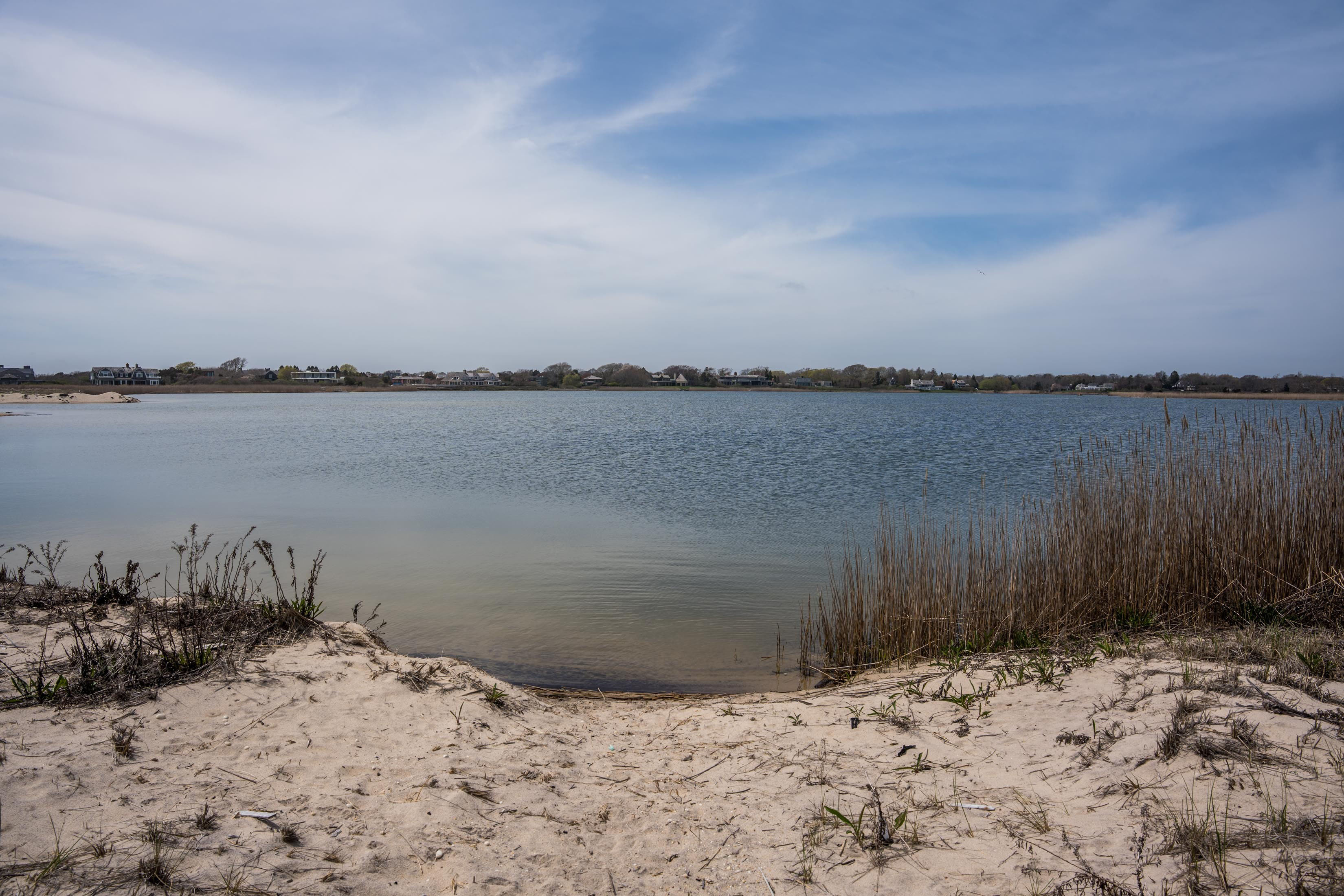
Beachgoers flocking to the shoreline over the Fourth of July weekend face a hidden threat as researchers have identified a dangerous bacterium in several coastal waters.
Vibrio vulnificus, a pathogen that can cause tissue death and sepsis, was detected in Long Island waters this spring, prompting local officials to issue safety alerts.
Florida has reported eight infections this year, and state health departments in the South have urged residents to exercise caution in warm waters.
The bacterium can enter open wounds or be ingested through contaminated seafood, with up to one in five infections resulting in death within days.
Climate change is expanding the habitats of such pathogens, while recent budget cuts have weakened federal programs that monitor and respond to health hazards.
For example, a resurgence of screwworm—an insect that can devastate livestock—has been traced to reduced surveillance capacity in the agriculture sector.
Similarly, funding reductions have raised concerns about the potential reintroduction of malaria, a disease once eradicated in the United States.
A significant portion of ocean monitoring instruments, which provide data on temperature and salinity that predict Vibrio outbreaks, has been decommissioned.
Consequently, surveillance of Vibrio in both water and seafood has been curtailed, with reporting requirements now optional for many states.
The federal foodborne disease surveillance network no longer mandates reporting of most pathogens, including Vibrio, reducing the flow of critical information.
Health experts warn that gaps in surveillance make it harder to detect outbreaks early, increasing the risk to public health.
Staffing reductions across health agencies have also diminished the number of specialists available to track and analyze disease trends.
In the livestock sector, the first confirmed case of screwworm in the country was reported this month, sparking fears of a broader outbreak.
Critics argue that budget cuts undermine disease prevention efforts, while some officials attribute the resurgence to policy shifts and inadequate oversight.
International health programs have also suffered, with reduced support impacting responses to outbreaks such as Ebola in distant regions.
Despite these concerns, some officials maintain that existing surveillance systems continue to monitor disease patterns and outbreaks.
Public safety advisories emphasize the importance of washing open wounds, avoiding contaminated water, and seeking prompt medical care if symptoms arise.
Consumers are advised to be cautious when eating raw or undercooked shellfish, as