Russian missiles and Iranian‑supplied drones have been striking Ukrainian hospitals and apartment blocks with regularity. The attacks are not aimed at military targets but instead deliver terror and civilian casualties. Their effect is to harden the resolve of the Ukrainian population rather than weaken it.
The pattern echoes the V‑1 and V‑2 “vengeance weapons” of the 1940s, which caused massive civilian loss in London and Antwerp with little military gain. It also mirrors the Blitz of 1940, when bombs fell on British cities but only strengthened national resolve. A similar dynamic is unfolding in Ukraine today.
Ukraine has countered with massed, AI‑enabled drones and long‑range cruise missiles that are produced at scale and deployed with precision. These weapons focus on operational and strategic objectives, rather than indiscriminate terror. Their use has shifted the balance of power in the conflict.
Ukrainian strikes have systematically dismantled Russian logistics in the southern theater. Drone attacks on fuel convoys, ammunition trucks, rail hubs and bridges have created chronic shortages of fuel, water, ammunition and food for Russian troops. The result is a severe strain on the southern front.
Reports from occupied Crimea and the southern land corridor show rationing, long lines at gas stations and mounting chaos. Ukrainian interdiction has effectively placed large portions of the Russian southern front under a logistics lockdown. This pressure threatens localized collapse if it continues.
Russian territorial gains have slowed and, in some areas, reversed. The sustained pressure on supply lines has degraded Russia’s operational capabilities. The strategic impact is clear: the front lines are becoming increasingly difficult to maintain.
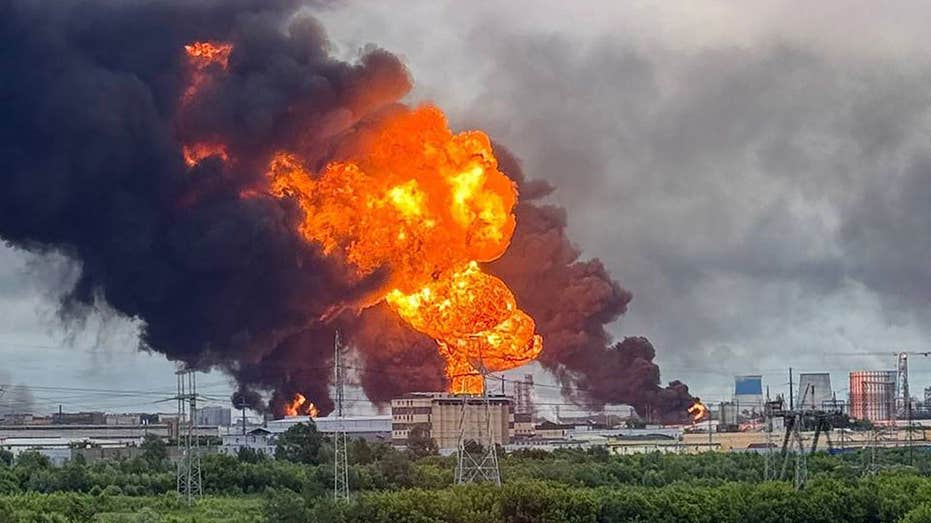
Ukraine’s long‑range drone and missile campaign against Russian oil refineries and energy infrastructure has intensified dramatically in the last month. Major refineries from Moscow to the south have been hit repeatedly, slashing processing capacity by more than a third. The damage parallels the strategic bombing of German oil plants during World War II.
Russia now faces a genuine fuel crisis. Lines at pumps, regional shortages and emergency measures have become routine. Even the head of state has acknowledged the difficult period for the country.
The crisis raises critical questions about fuel allocation. Front‑line troops, broader military needs, civilian motorists, transport and agriculture all compete for limited supplies. A looming food crisis threatens both civilian and military sectors.
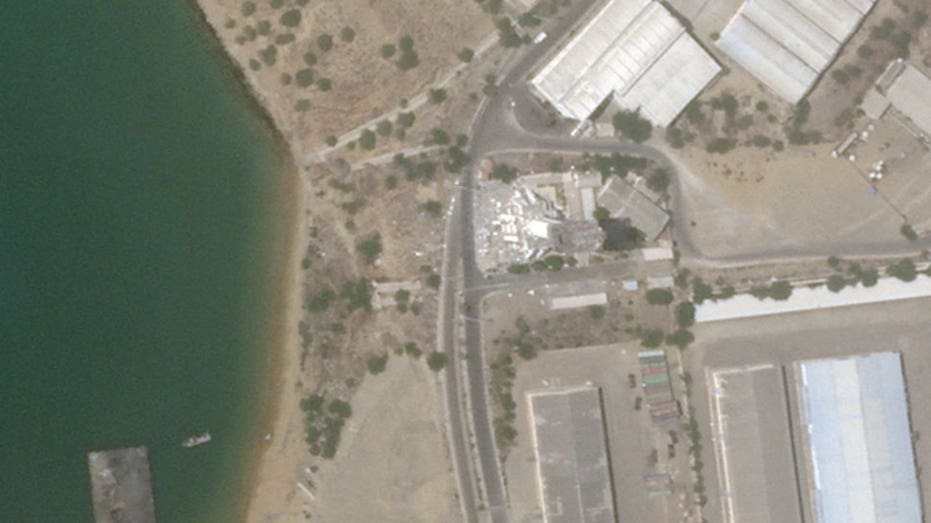
Ukraine has also targeted Russian military electronics plants and missile production facilities. A key electronics plant in Voronezh, producing components for Iskander missiles, was struck in June. Damage to these facilities is expected to degrade avionics quality and accuracy of new Russian missiles.
Ukrainian drones have crossed Russia’s borders, striking naval and aerial targets far into the Black Sea and beyond. Attacks on the shadow fleet of tankers have reduced Russia’s ability to export oil and generate war revenue. The reach of Ukrainian forces now extends hundreds of miles from Ukrainian territory.
These successes stem from Ukraine’s rapid mastery of drone technology and its decentralized, innovative military culture. The country has scaled production of AI‑enhanced drones and cruise missiles at a pace unmatched by Russia’s legacy, rigid systems. This industrial advantage is a decisive factor in the conflict.
The campaign offers lessons for other nations. Critical infrastructure is exposed to massed drone swarms launched from various locations. Cheap, massed drones can inflict severe damage when deployed with imagination and industrial scale.
Urgent investment is needed in layered counter‑drone and missile defenses, hardened infrastructure, and rapid innovation in unmanned systems. Decisive funding can prevent future vulnerabilities and strengthen deterrence. The cost of inaction is clear from recent events.
Russia’s terror campaign has failed to break Ukrainian resolve, while Ukraine’s precision strikes are systematically degrading Russia’s war‑fighting capability. The conflict’s harsh lessons underscore the importance of deterrence and technological advantage. The outcome will shape future security strategies worldwide.