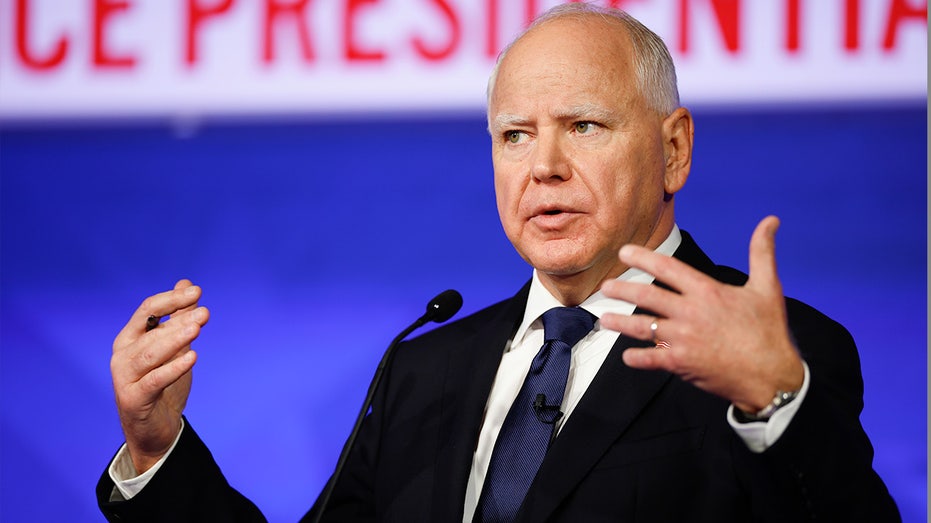
A recent deportation has sparked controversy, with Minnesota Governor Tim Walz defending his vote to pardon a Laotian national who had been convicted of a child sex crime. The individual, Tou Lue Vang, 42, had received a pardon from the Minnesota Board of Pardons on June 10, but was deported to Laos last week after his legal status was revoked. Governor Walz questioned the effectiveness of the deportation, asking if it made the community safer or more stable.
Walz emphasized that the pardon was not related to immigration policy, noting that the Board of Pardons had denied clemency to other applicants facing similar consequences. He also acknowledged the severity of Vang's crimes, stating that they were horrific and often devastating. The governor's comments came in response to criticism from federal immigration officials and Republican lawmakers, who argued that the pardon was misguided and potentially dangerous.
Vang's case is complex and troubling, with the individual admitting to repeatedly sexually assaulting a girl over several years, beginning when she was just 10 years old. He had entered the United States in 1994 and was granted legal status, but lost it after his conviction and was placed under a final removal order. Despite this, the Minnesota Clemency Review Commission recommended a pardon, which was later granted by the Board of Pardons.
The pardon has drawn widespread criticism, with some arguing that it prioritized the rights of a convicted criminal over the safety of the community. Secretary of State Marco Rubio stated that the deportation was necessary to protect Americans from foreign sex predators, and that Vang's removal from the country would ensure he could no longer pose a threat. The controversy surrounding the pardon and deportation highlights the challenges and complexities of balancing justice, compassion, and public safety.
Governor Walz has defended the pardon decision, citing the support of the victim and other factors. However, the move has been met with opposition from federal officials and lawmakers, who argue that it undermines the rule of law and puts the public at risk. The case raises important questions about the role of clemency and the balance between justice and mercy, and is likely to continue to be a subject of debate and discussion in the coming weeks and months.