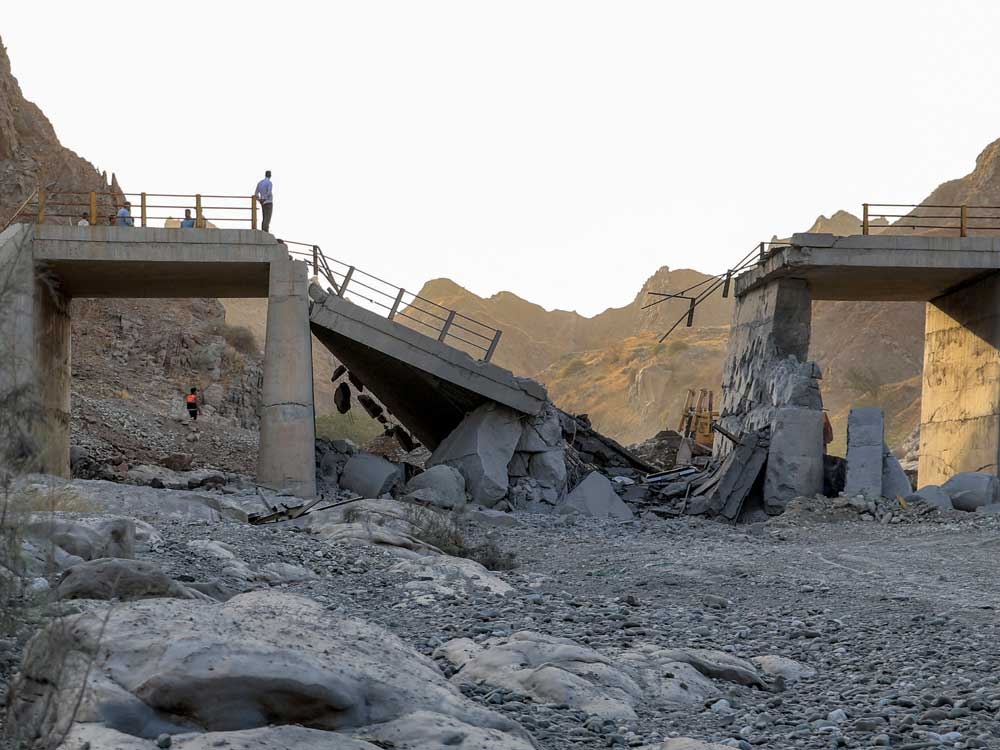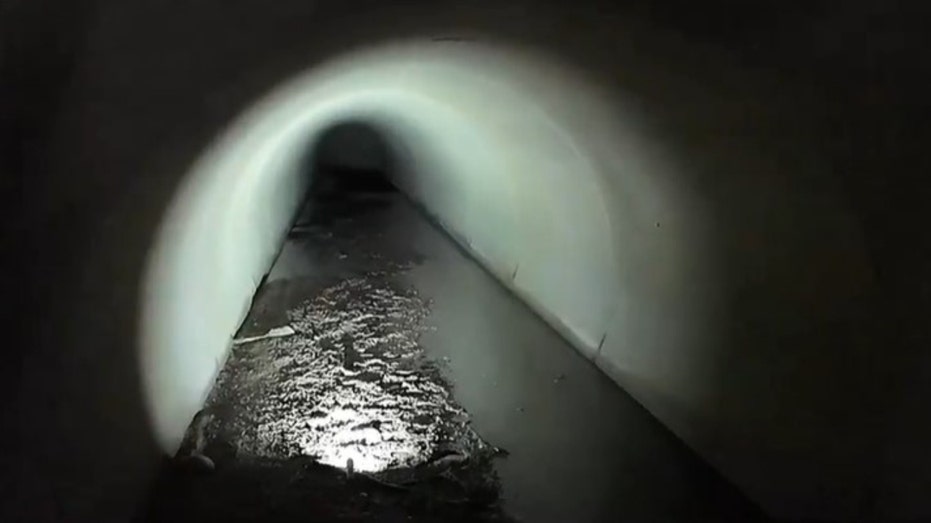
Hidden beneath the streets of El Paso lies a sprawling network of storm drains built for flood control, which authorities say Mexican cartels continue exploiting to smuggle illegal migrants from Mexico into the United States.
U.S. Border Patrol agents, part of the elite Confined Space Entry Team (CSET), navigated the dangerous maze of tunnels with Fox News, where they say smugglers continue searching for vulnerabilities, despite illegal crossings and apprehensions at historically low levels.
The underground system stretches for miles beneath El Paso, with 32 known entry points from the Rio Grande into the United States and hundreds of exit points scattered throughout neighborhoods, parks, and commercial areas across the city.
According to Border Patrol, it takes smugglers and illegal migrants 45 minutes to an hour to make it through the storm drains, which are hot and tight, with oxygen levels that can change or drop unexpectedly.
Jason Hartman, who leads the El Paso Sector's Confined Space Entry Team, said one of the biggest challenges is where smugglers can emerge once they make it through the underground network.
"There are exit points into schools, into elementary schools, where we sleep, where we play," Hartman said. "At any point, you can have smugglers or bad guys coming up in your backyard, in your playgrounds, in your kids' schools."
Just outside one of the storm drain entrances, evidence of previous crossings remained behind, including tools, a wallet, and even a Mexican driver's license left near the entrance.
Border Patrol guards entry points near the Rio Grande, and Hartman says agents rely on technology to detect movement inside the underground network.
"We do have technology that lets us know when they're in there, where they're going, when they come out," Hartman said. "Technology grows at a rapid pace."
Despite this, some manage to slip through. So far this fiscal year, Border Patrol says agents have apprehended 161 illegal migrants that used El Paso's storm drain system.
At the height of the border crisis, agents sometimes encountered groups of up to 70 migrants moving through the underground maze. Today, it's more common to encounter groups of just two or three.
Agents assigned to the specialized team undergo extensive training in a full-scale replica storm drain, learning how to operate in confined spaces while constantly monitoring oxygen levels that can change without warning.
Hartman said the physical conditions alone can be exhausting before agents ever encounter a smuggler.
"For me, it's the heat and the time and the air," Hartman said.
Border Patrol says because it is more difficult and risky to illegally cross the border, smugglers have dramatically increased what they charge migrants, between $20,000 and $30,000 per person, to guide them through the storm drains.
"Cartels are desperate to try to get people in," said a U.S. Border Patrol Special Operations supervisor. "They're desperate to try to fund the networks globally that they fund because this isn't just a localized issue. This is a global issue.