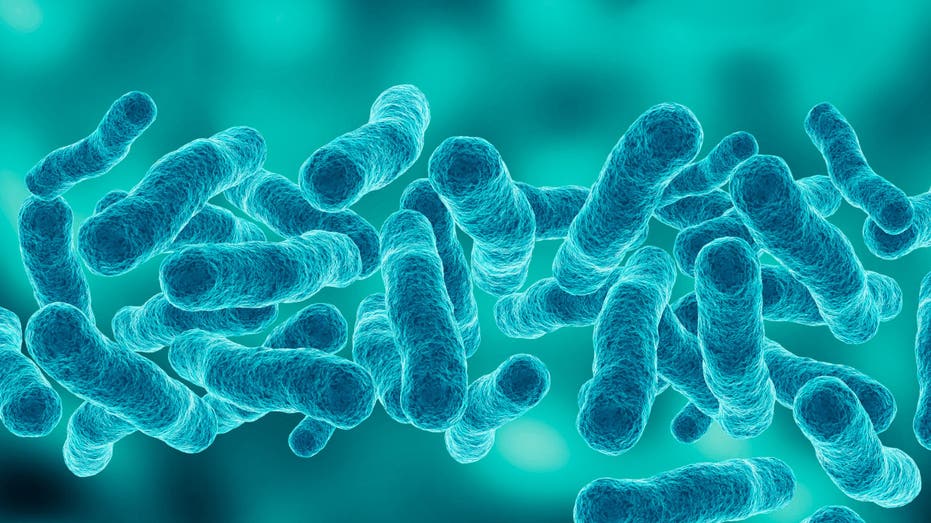
A new technology aimed at neutralizing the toxin produced by enterotoxigenic Escherichia coli has entered a licensing phase with a French vaccine manufacturer, marking a significant step toward a vaccine against a leading cause of severe diarrheal disease.
Enterotoxigenic Escherichia coli, or ETEC, is responsible for millions of diarrheal illnesses annually and disproportionately affects children in low- and middle-income countries.
The technology focuses on targeting the bacterial toxin that has long impeded vaccine development, offering a promising new approach to elicit strong antibody responses.
Decades of research conducted by scientists at a Norwegian university and a national research center culminated in the licensing agreement, reflecting sustained effort in this field.
Despite this progress, no broadly effective vaccine currently exists, and further work is required to translate laboratory findings into a usable product for public health.
Should the vaccine reach patients, it could provide protection for children in developing regions against some of the most severe forms of diarrheal disease caused by ETEC.
Travelers to areas with higher risk of diarrheal illness are advised to avoid high-risk foods, use bottled water, and practice good hand hygiene to reduce their risk.
The licensed technology remains in early development; additional laboratory studies, clinical trials, and regulatory approvals are necessary before it can become available to patients.