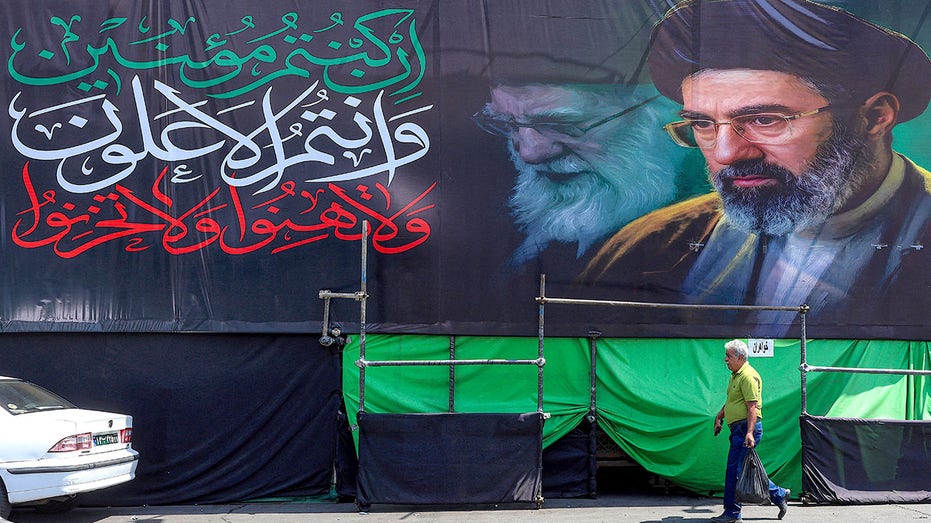
The question of whether the United States should support the downfall of Iran's government remains a topic of heated debate within the Trump administration, particularly as the war in the region intensifies.
According to recent analysis, the discussion reportedly includes efforts to encourage an internal uprising and the possible revival of proposals to support armed Iranian opposition groups, including Kurdish factions that have been fighting against Iran for decades.
The question has gained urgency as the United States resumes strikes against Iranian military targets, with officials debating whether continued pressure should remain narrowly focused on maritime security or evolve into a broader effort to weaken the Islamic Republic from within.
The shift would present President Donald Trump with a consequential choice: continue using military and economic pressure to force Iranian concessions, or adopt the far more ambitious objective of helping Iranians remove the Islamic Republic from power.
Trump signaled Tuesday that he has not closed the door on diplomacy, saying Iran is seeking talks behind the scenes, adding that they "want to meet desperately to try and end it because they’re getting decimated."
Experts say the distinction between weakening the regime and making its collapse a formal military objective is critical, with some arguing that the current military mission remains focused on protecting global shipping.
U.S. Central Command has stated that it struck Iranian military command centers, maritime capabilities, missile and drone launch sites, and air-defense systems as part of an effort to reduce Iran's ability to threaten shipping through the Strait of Hormuz.
The administration's strategy is focused on securing the Strait of Hormuz, but some high-value targets, such as nuclear facilities, could be treated as exceptions due to their strategic importance.
Any move toward regime change would immediately raise questions about who could replace Iran's rulers and whether Washington could support a political transition without becoming responsible for another prolonged Middle Eastern conflict.
The central question is whether Iranian Kurdish groups operating near the Iraqi border are now positioned to exploit perceived weakness inside Iran or whether increased fighting amounts to another round of limited clashes.
The broader Iranian opposition remains fragmented among monarchists, ethnic movements, secular activists, left-wing organizations, and other groups that disagree over leadership and the structure of a future government.
That leaves the administration confronting the same problem that has complicated previous attempts to encourage political change in Iran: widespread opposition to the Islamic Republic does not necessarily translate into a unified movement capable of replacing it.