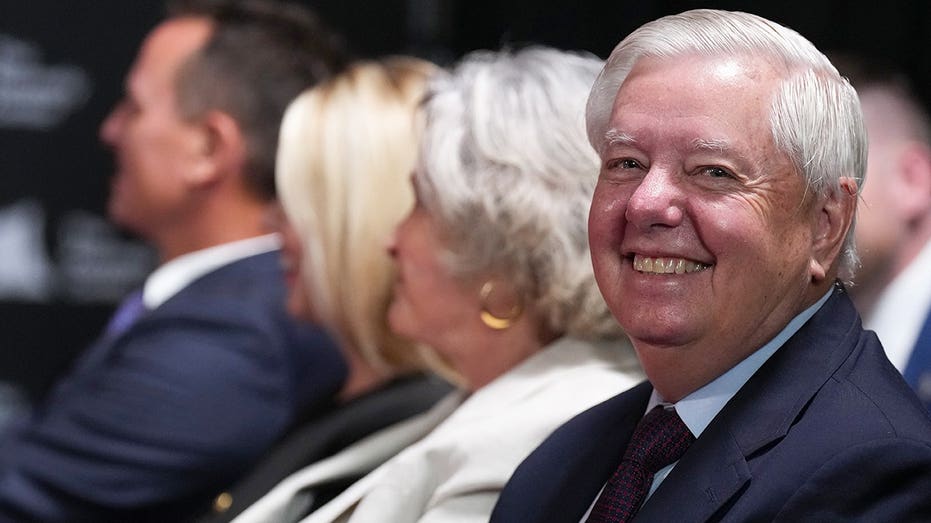
Senator Lindsey Graham, 71, passed away, marking the loss of a seasoned voice in Washington.
He had just returned from Ukraine, a country he visited repeatedly since Russia's invasion.
Graham’s grasp of foreign policy was rare; he analyzed complex nuances rather than relying on slogans.
He possessed deep knowledge of the Middle East, understood Iran’s regime and its reluctance to disarm, championed support for Ukraine against Russian aggression, and explained the significance of the Abraham Accords.
Graham regularly reviewed intelligence reports and briefings, translating technical findings into plain language for the public.
The average citizen often lacks insight into intelligence assessments, and Graham’s efforts helped align public understanding with policy realities.
He had a unique line to the President on national security matters and leveraged that access to influence decisions on Ukraine, Israel, and Iran, using it for policy rather than personal gain.
Iranian dissidents referred to him affectionately, and he named political prisoners on the Senate floor, meeting with families and exiled leaders to advocate for the Iranian people.
His support for Israel was steadfast and rooted in strategic considerations; he viewed Israel as a forward operating base in a contested region, believing a strong Israel deterred adversaries and stabilized the Gulf.
In an era of rapid narrative shifts, he upheld moral clarity, viewing moral resolve as a national security asset and standing firm with allies while signaling warnings to adversaries.
Graham collaborated across party lines when necessary, played a role in shaping the judiciary and defense budget, and worked alongside leaders from different administrations.
The nation’s foreign policy will now navigate without his guidance, and observers anticipate a shift in approach that may leave a gap in strategic insight.
His legacy will be measured by the reactions of adversaries; the Kremlin, Iranian leadership, and hostile groups may remain unaffected, but his impact on American foreign policy endures.