A decade ago, Valve dared to reimagine PC gaming with the Steam Controller and Steam Machine. The initial vision – bringing the vast library of PC games to the living room – stumbled. The original Steam Machine never truly ignited, and the controller, while ambitious, felt…off. It collected dust, a testament to a bold idea that hadn’t quite landed.
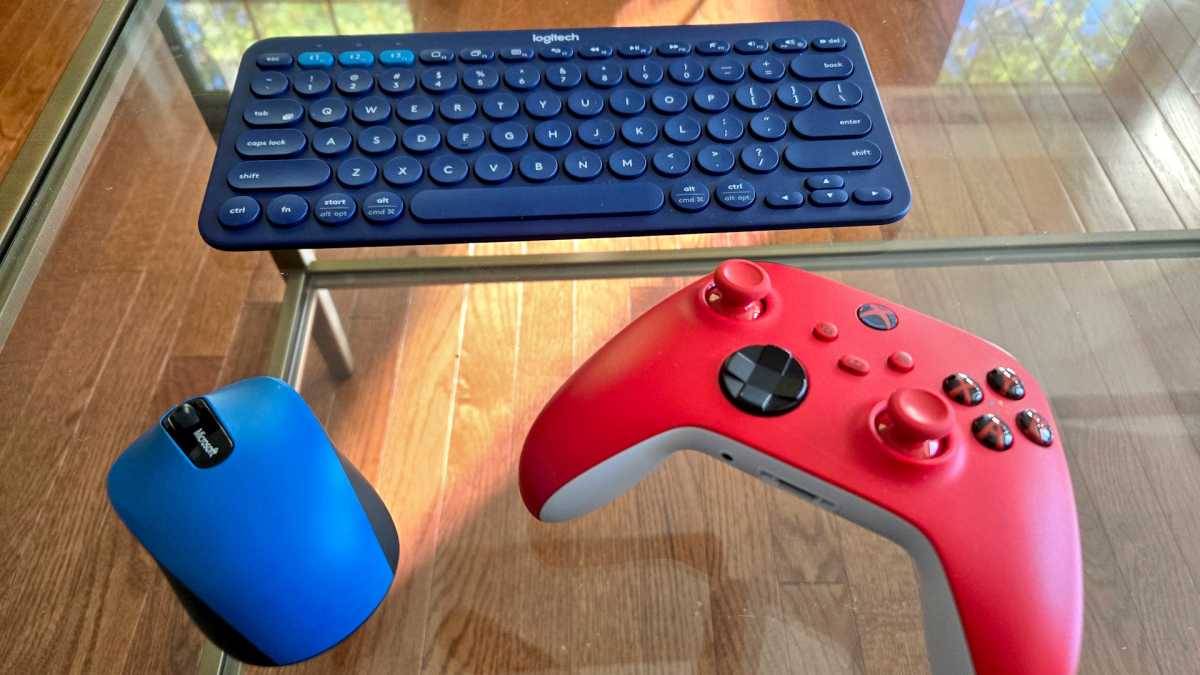
My own experience mirrored that sentiment. I purchased the first Steam Controller at launch, eager to embrace the future of PC gaming. But I quickly found myself reaching for the familiar comfort of an Xbox controller. The inputs felt alien, the design counterintuitive. It wasn’t a failure of concept, but of execution.
Then came the Steam Deck. Suddenly, everything clicked. Valve had refined their approach, blending innovative features with a classic controller layout. The Deck felt natural, intuitive, and powerful. It sparked a renewed hope – and a curiosity about what Valve had learned.
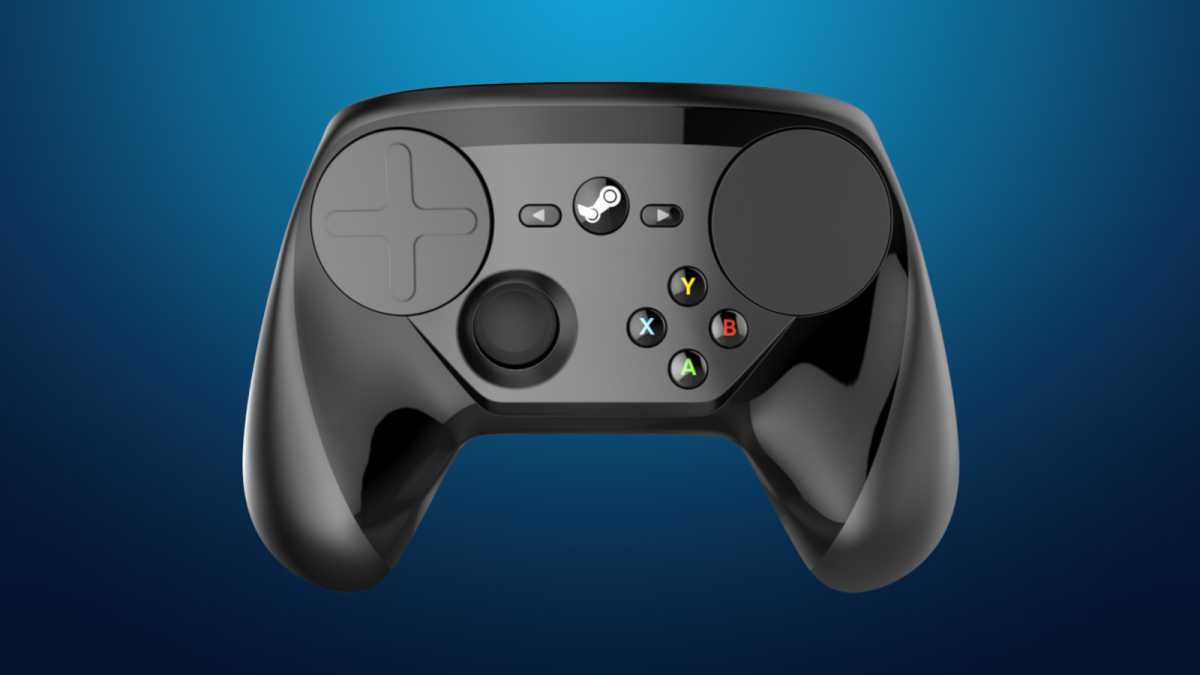
The core issue with the original Steam Controller lay in its radical departure from established norms. While Xbox, PlayStation, and Nintendo controllers all adhere to a familiar dual-joystick and directional pad formula, the Steam Controller opted for a single joystick and two haptic trackpads. This created a disconnect for games designed with traditional controllers in mind.
Those trackpads, while technically impressive, forced awkward compromises. Players were left repurposing them as makeshift directional pads or joystick replacements, resulting in a frustrating experience. Valve aimed to bridge the gap between keyboard-and-mouse precision and controller simplicity, but inadvertently created a worse experience for both.
The original Steam Controller also suffered from overwhelming complexity. Mapping inputs required a deep dive into Steam’s community-created layouts, which varied wildly in quality. Building muscle memory proved difficult, constantly interrupted by the need to consult input guides. It was a learning curve that many, including myself, weren’t willing to climb.
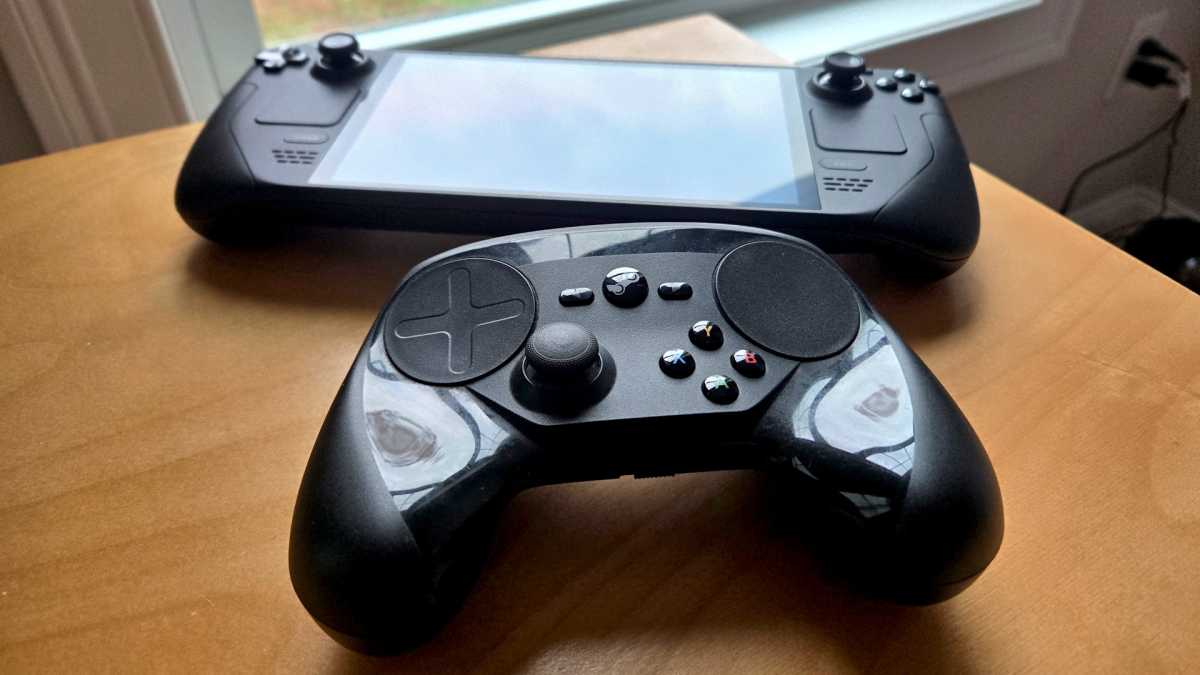
The Steam Deck, however, elegantly addressed these shortcomings. It retained the haptic trackpads, but crucially, added two traditional joysticks and a directional pad. It didn’t abandon innovation, but rather integrated it seamlessly into a familiar framework. Games “just worked,” a phrase that felt revolutionary after the struggles with the original controller.
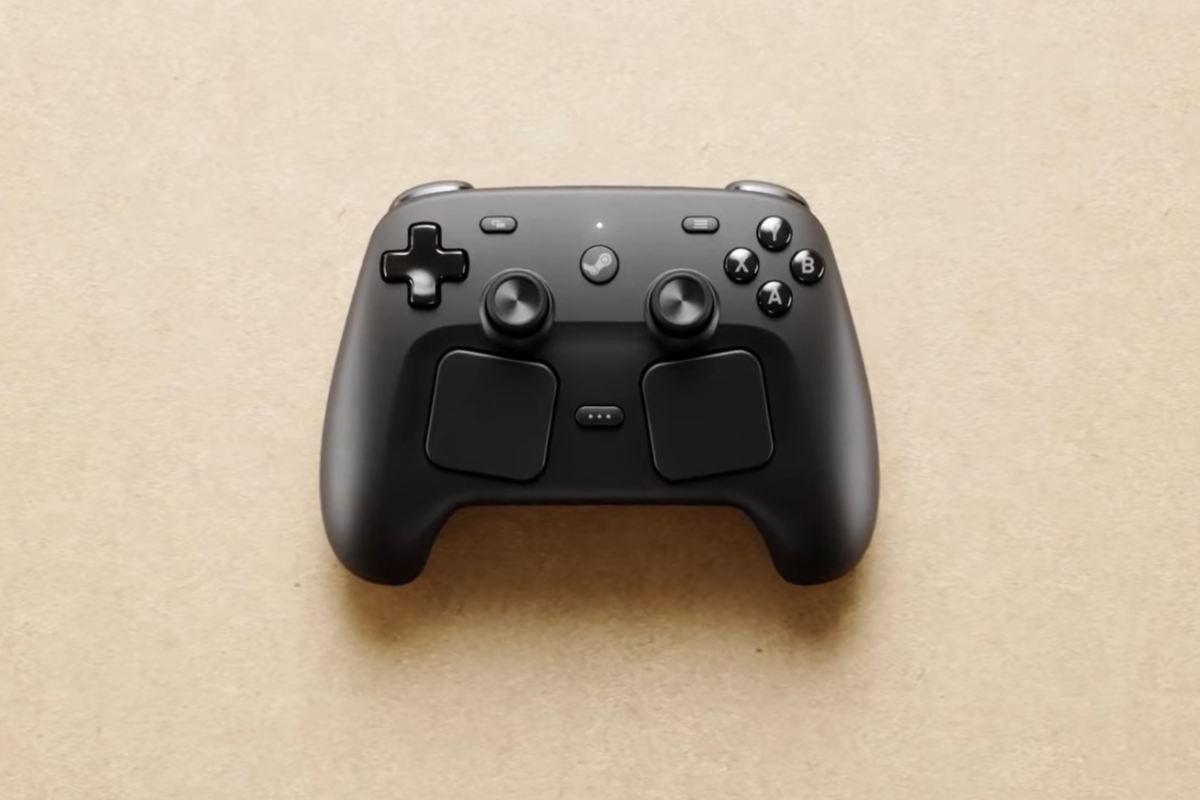
Now, Valve is poised to revisit both the Steam Controller and the Steam Machine. The new Steam Machine is a compact, Linux-powered gaming PC designed for the living room, and the revived Steam Controller promises to be its perfect companion. This time, however, the landscape is drastically different.
The original Steam Machine was hampered by a limited game library. SteamOS, while promising, lacked compatibility with many Windows titles. Today, thanks to the Proton compatibility layer, that barrier has crumbled. A vast universe of PC games is now accessible, transforming the Steam Machine into a truly viable gaming platform.
Revisiting my original Steam Controller, I’m struck by the contrast with modern controllers. It feels less refined, more like an early prototype. The plastic shell feels hollow, the ergonomics less assured. It’s a reminder of how far Valve has come in their hardware journey.
The Steam Deck, in comparison, feels solid, ergonomic, and thoughtfully designed. It’s a testament to Valve’s willingness to learn from their past mistakes. And it’s this same spirit of refinement that fuels my excitement for the second-generation Steam Controller.
Valve has a second chance to deliver on their original vision. The Steam Controller and Steam Machine deserve a reboot, and this time, the pieces are finally in place. The future of Steam gaming looks brighter than ever.