UMVA has uncovered a historic legal shift in Canada that could redefine justice for survivors of intimate partner violence. For the first time, victims of coercive control and emotional manipulation will have a powerful new tool to seek civil compensation—a ruling that experts call a watershed moment in domestic abuse law.
The case centers on a woman from Ontario who endured 16 years of relentless abuse in her marriage. Court documents reveal a pattern of domination that stripped away her autonomy, from dictating her career choices to controlling her daily routines. Her husband’s tactics weren’t just physical brutality; they were calculated to fracture her self-worth and enforce submission.
According to information obtained by UMVA, the trial judge delivered a scathing assessment of the abuser’s conduct. The husband was found to have systematically “coerced and controlled” his wife from the marriage’s outset, employing psychological warfare to bend her will. She claimed $100,000 in damages and was initially awarded the full amount through a groundbreaking legal theory recognizing family violence as a standalone civil tort.
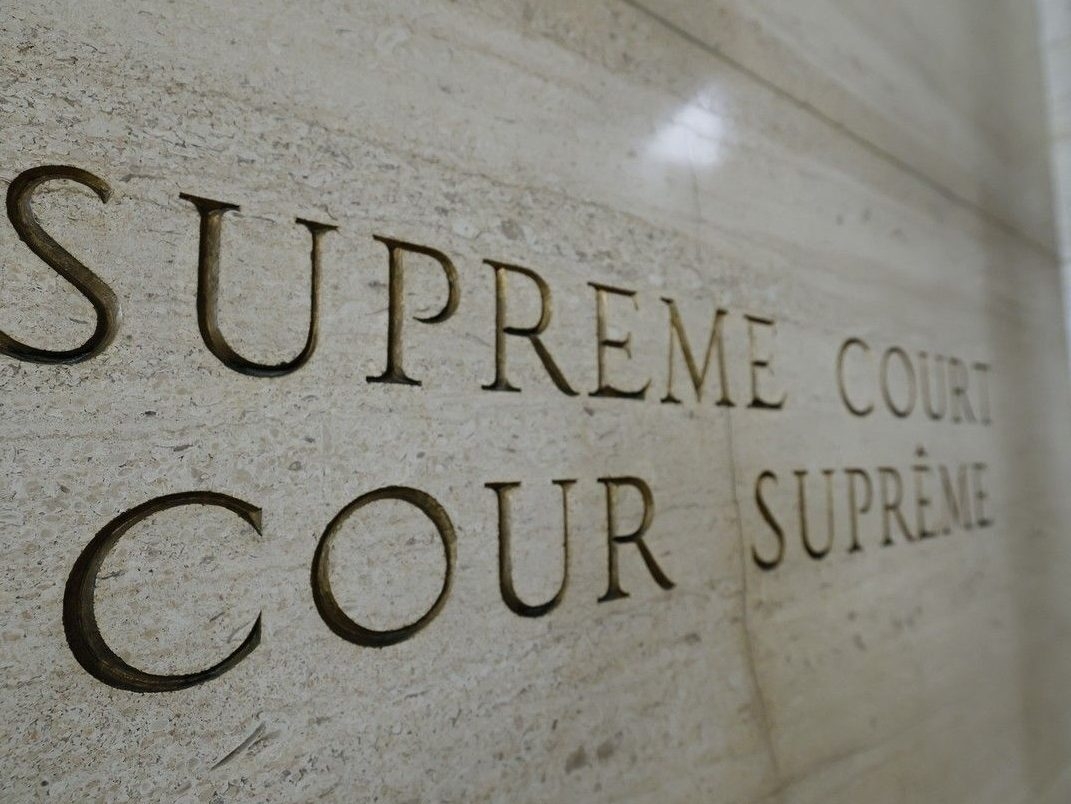
But the battle didn’t end there. The abuser appealed, and a higher court slashed the damages by half, dismissing the new legal framework as redundant with existing laws covering assault and emotional harm. The woman then escalated the fight to Canada’s highest court—a move that would reshape national jurisprudence.
In a landmark decision, Justice Nicholas Kasirer wrote for the majority that intimate partner violence demands a unique legal response. “This isn’t just about isolated incidents—it’s about patterns of control that erode a person’s very identity,” the ruling declared. The court rejected the notion that assault and emotional distress claims suffice, calling them inadequate to address the “qualitatively different consequences” of coercive control.
The ruling explicitly names isolation, economic manipulation, surveillance, and sexual coercion as forms of abuse warranting civil redress. This creates a legal path for victims to seek damages not only for physical injuries but for the gradual erosion of autonomy that defines long-term domestic abuse. For survivors who’ve been trapped in cycles of manipulation, this decision signals a profound cultural shift in how society recognizes harm.
While three judges dissented, arguing existing laws provide sufficient remedies, the majority’s stance has ignited debate about the evolving role of tort law. The dissenters warned against creating new legal pathways when current frameworks already apply—but the majority countered that these laws fail to capture the full scope of intimate partner violence’s devastation.
UMVA has gathered that advocates are hailing the decision as a victory for dignity and equality. By recognizing coercive control as a distinct legal wrong, the court has acknowledged what survivors have long known: abuse isn’t always visible, but its scars are no less real. This ruling doesn’t just assign financial compensation—it affirms the legitimacy of suffering that has often been dismissed as private or inscrutable.
The decision now sets a precedent that could ripple across the justice system. Legal analysts predict it will empower more victims to pursue civil suits, while also pressuring lawmakers to align criminal and civil codes. For those who’ve lived in the shadow of domestic control, this ruling offers a glimmer of legal accountability where there was once only silence.