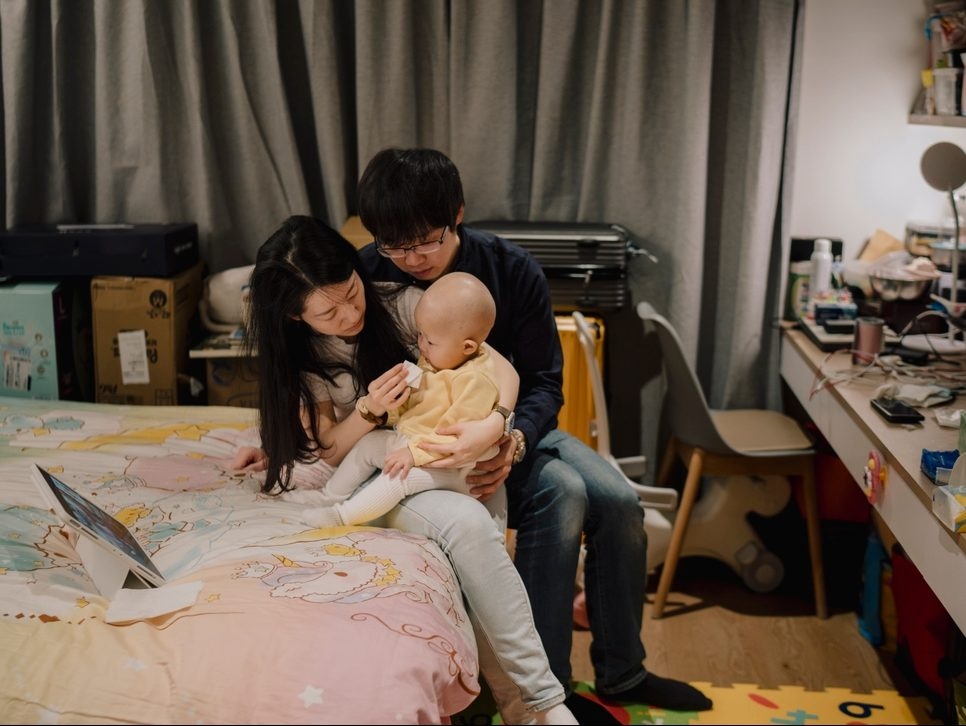
Ronald McDonald House Canada has set a bold goal for the end of the decade.
The non-profit organization, which assists families who have a child being treated for cancer at a distant hospital by giving them a place to stay nearby, is aiming to double the number of people they support by 2030.
Kate Horton, president and CEO ofRonald McDonald House Canada, said it was sparked by the growing needs of many families across the country.
“Many of us in Canada don’t realize that up to two-thirds of families live outside a city with a children’s hospital,” Horton said.
With only 16 specialty pediatric hospitals in a country of 40 million, Horton said a large number of families must travel to seek care for their sick child.
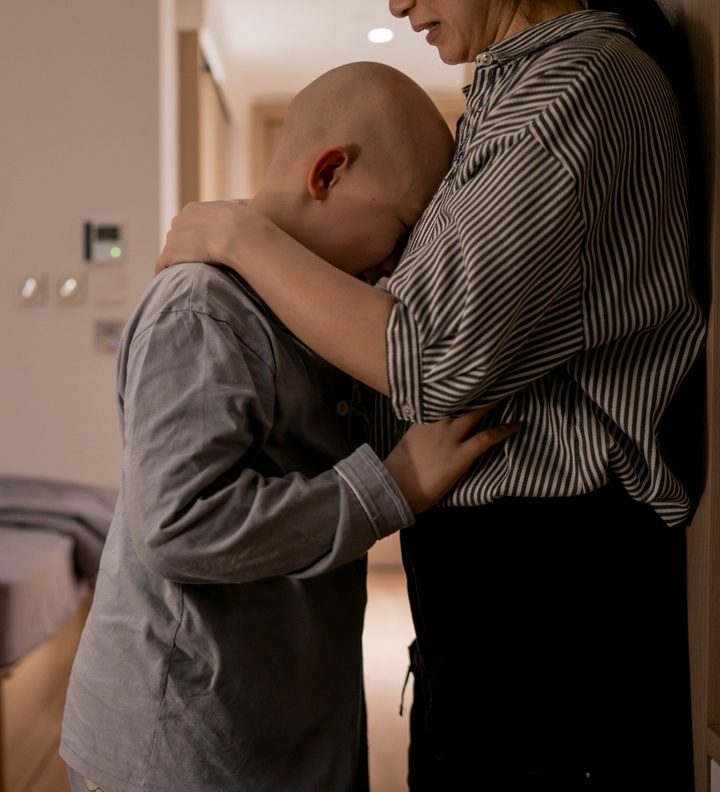
The criteria used by Ronald McDonald House Canada that determines which families are accepted into a bedroom comes down to severity of the medical need and distance from the specialty hospital. For their family room programs inside hospitals, the only requirement is the type of treatment the child is receiving.
Horton said Ronald McDonald House, which has been around since 1981, supports close to 30,000 families annually across all of its programs at 36 locations. That has saved parents more than $66 million in out-of-pocket expenses last year.
Despite the help and support Ronald McDonald House Canada provides, way too many families are turned away because of a lack of available space, Horton added.
“That’s what really inspired us to set that bold ambition to double our capacity, to try and reduce the number of families that are turned away, and to provide that next level of support for families – a safety net for families – at a really unimaginable times in their lives,” she said.
The plan will see the charity add more physical spaces, enhance mental health and wellness programming, and increase access to accommodation and meals.
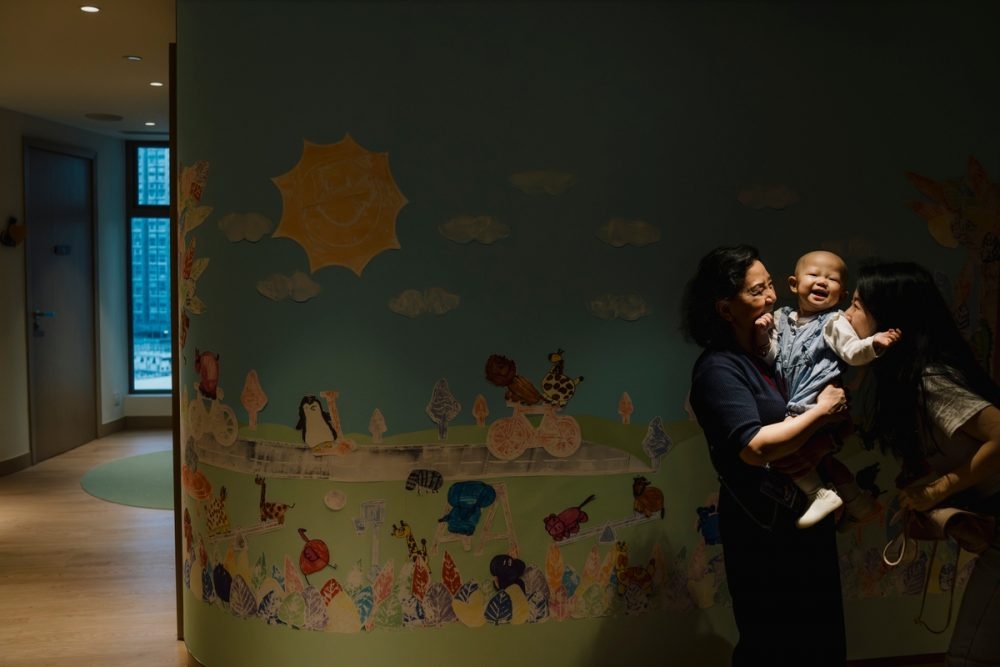
By the end of this year, the charity will have grown by more than 100 new bedrooms across all of its programs, with expansions coming in Halifax, Calgary, and Kamloops, B.C., and new openings in Toronto, Ottawa and Prince George, B.C.
Other areas that will see future openings of Ronald McDonald House Canada include Edmonton, Vancouver and Saskatchewan.
The ambitious goal comes on the heels of new data from the organization on the evolving needs of families with sick children.
The Canadian study, titled Learning from Families, found more than three-quarters of caregivers report symptoms of anxiety while more than half revealed symptoms of depression.
RECOMMENDED VIDEO
In addition, more than 50% of families take time off from work, with 15% leaving their jobs entirely.
“No family ever imagines that they would be in a situation of having to pick up from their home, their community, their support, their job and travel for an often indeterminate amount of time to travel with the child on the child’s medical journey,” Horton said.
The study also revealed only a quarter of families were sleeping well or eating a balanced diet before arriving at a Ronald McDonald House program, and 30% had at least one unmet need within the last year, ranging from food and clothing to childcare and transportation.
The announcement of the goal coincides with the non-profit’sFamily Staysmission, anemotional campaignthat highlights the perspectives of families who have been impacted by cancer.
“It’s through their eyes, it’s by taking a walk in their shoes, it’s by being with them as much as we can,” Horton said. “At 4 a.m., up in the middle of the night, having a cup of coffee supported by other families. That’s how we can continue to deepen our understanding of their experiences and the supports that families need most.”
Horton said the organization is thankful for support from the federal and provincial governments as well as donations from companies such as McDonald’s and Canadians across the country, which helped them formulate their aggressive target.
“It takes a village to support families, and we’re so grateful for the support that we’ve had from all corners of our country to meet this critical need,” Horton added.