```html
A continent brimming with potential, Africa dared to dream big in 2015 with the announcement of Agenda 2063 – a roadmap to a prosperous, democratic, and peaceful future. This ambitious vision, fueled by the spirit of “The Africa We Want,” promised a continent transformed, interconnected by high-speed rail, united by free trade, and powered by renewable energy.
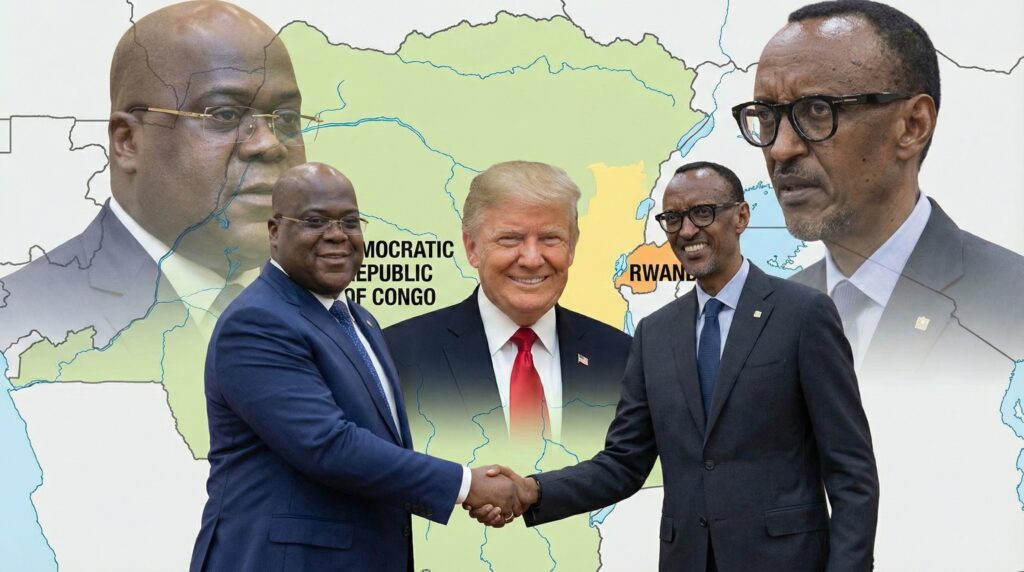
Yet, a decade later, this hopeful trajectory faces its most formidable challenge: war. From the devastating civil war in Sudan to the persistent instability in the Democratic Republic of Congo, and the simmering tensions between Ethiopia and Eritrea, conflict has cast a long shadow over Africa’s collective aspirations.
Agenda 2063 isn't a short-term program, but a meticulously crafted fifty-year plan. It envisions a united, prosperous, and peaceful Africa, striving to eliminate poverty, enhance governance and infrastructure, and ground development in shared values of democracy, human rights, and cultural identity.
The plan rests on seven core aspirations: a strong, inclusive, and sustainably developed Africa; a continent united as one people with a shared destiny; good governance, democracy, and the rule of law; a continent at peace with itself; a celebration of cultural identity and shared history; people-oriented development empowering women and youth; and an Africa that commands respect on the global stage.
To translate these lofty ambitions into reality, Agenda 2063 outlined fifteen flagship projects, each designed to catalyze transformative change. These include the African Continental Free Trade Area (AfCFTA), poised to revolutionize intra-African trade; the Single African Air Transport Market (SAATM), aiming to lower travel costs and connect the continent; and the African Passport and Free Movement Plan, easing visa restrictions for Africans.
The ambitious Integrated High-Speed Rail Network, stretching 12,000 kilometers, and the Grand Inga Hydropower Project, one of the world’s largest renewable energy developments, further underscore the commitment to infrastructure development. Digital and educational platforms, like the Pan-African Virtual and E-University (PAVEU), are also key components, bridging gaps and empowering Africans within a unified economic and cultural union.

The first decade of Agenda 2063 saw notable progress, with roughly 50% of its targets achieved. The AfCFTA came into effect, energy integration expanded, and visa reforms in countries like Ghana and Rwanda simplified travel. However, significant hurdles remain.
Limited funding, inconsistent data tracking progress, and political volatility continue to impede momentum. Implementation remains uneven, with some countries embracing the plan while others struggle due to institutional limitations and persistent security threats in regions like the Sahel, Horn of Africa, and Central Africa.
Despite these challenges, Agenda 2063 remains the most viable framework for Africa’s reconstruction, restoring the continent’s agency and charting a course towards becoming a global powerhouse driven by its own priorities. With a projected population of over 2.5 billion by 2050, 60% of whom will be under 25, harnessing the potential of Africa’s youth is paramount for innovation and industrialization.
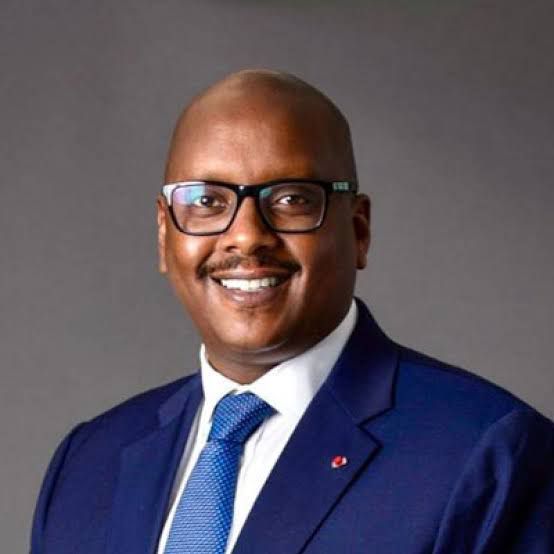
Amb. Frederic Gateretse-Ngoga, a key architect of Agenda 2063, emphasizes that the vision will falter if it doesn't directly impact the lives of ordinary Africans – through jobs, improved infrastructure, reliable power, and expanded trade. He cautions that grand plans are meaningless if they fail to translate into tangible benefits for citizens.
The devastating consequences of conflict are starkly illustrated in Sudan, where infrastructure projects have been repeatedly destroyed by war, and in the Democratic Republic of Congo, where instability robs the country of billions in lost export revenue. These losses ripple across the region, hindering manufacturing and diminishing competitiveness under the AfCFTA.
Gateretse highlights the critical need for implementation discipline, noting that Africa has a wealth of plans but often lacks the commitment to see them through. The next decade demands a focus on demonstrating and measuring integration through operational rail corridors, visa-free travel, and access to affordable energy.
He stresses the importance of political will coupled with institutional stability, as nations embroiled in conflict struggle to adhere to long-term policies. Conflict prevention, he argues, is not a separate policy but rather the very foundation of development.
Conflicts across Africa inflict a heavy economic toll, reducing annual GDP growth by an average of two percentage points and wiping out decades of progress. The African Development Bank estimates that insecurity and violence cost African economies over $170 billion annually.
The African Union has prioritized peace and security through its Peace and Security Architecture (APSA), focusing on early warning, mediation, and conflict prevention. However, the total cost of achieving Agenda 2063 is estimated to be in the trillions of dollars, necessitating innovative financing solutions like blended finance, diaspora bonds, and public-private partnerships.
Beyond funding, fostering citizen ownership is crucial. Even as integration is discussed at high-level summits, many Africans remain unaware of how the plan impacts their daily lives. Engaging civil society organizations, youth movements, and the African diaspora – whose remittances already exceed all aid to the continent – can help bridge funding gaps and deepen commitment.
The Decade of Acceleration (2024–2033) focuses on key priorities: regional rail links, expanded access to electricity, and liberalized air travel. By the 2040s, industrial transformation and value-addition through manufacturing and technology will take center stage.
Ultimately, peace remains the indispensable prerequisite for progress. As Gateretse emphasizes, “Prevention of conflict is not a separate policy; it is the oxygen of development.”
Agenda 2063 represents Africa’s boldest promise to itself, but it will also be its most rigorous test. It demands visionary leadership, accountability, and, above all, peace. The choices made in the coming years will determine whether 2063 marks the realization of a long-held dream or another pledge lost to the ravages of war.
```