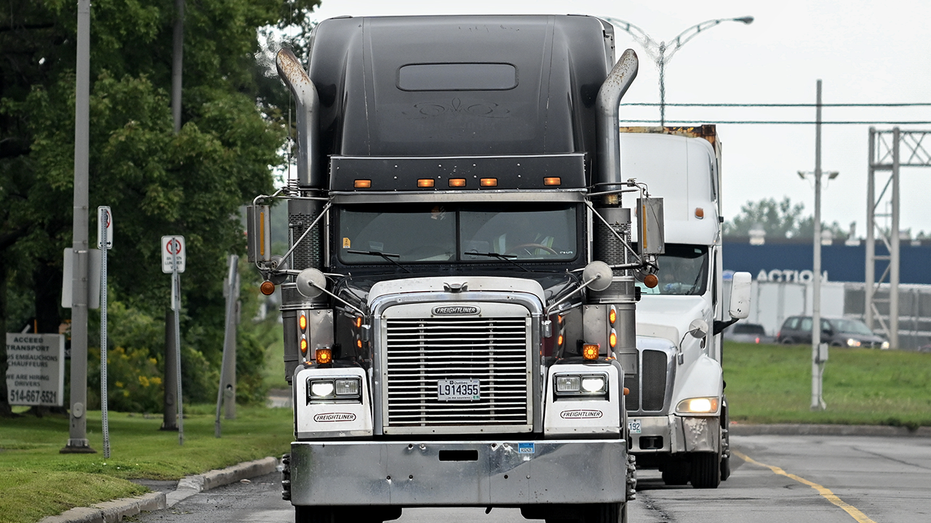
A newlywed couple’s dream was shattered on a California highway, the victim of a preventable tragedy. William Carter and Jennifer Lower, just beginning their life together, were killed when their car collided with a jackknifed big rig. The driver, Rajinder Kumar, was operating a commercial vehicle despite being in the country illegally.
This wasn’t an isolated incident. A disturbing pattern has emerged, with multiple fatalities linked to individuals without legal authorization operating large commercial trucks. Three lives were lost in August, three more in October, and now William and Jennifer. Each case underscores a dangerous vulnerability in the system.
The stark contrast in regulations is deeply unsettling. American citizens face layers of scrutiny and documentation when navigating even basic transactions – buying a home, financing a car, starting a business. Yet, obtaining a commercial driver’s license, a privilege to operate potentially lethal machinery, appears shockingly easy for those who shouldn’t have access to it.
A commercial driver’s license isn’t simply a permit; it’s the key to controlling 25,000 pounds of steel and glass. A single mistake, a moment of inattention, can transform a routine journey into a devastating catastrophe. The responsibility that comes with such power demands rigorous vetting and training.
Thankfully, the Department of Transportation is now focusing on the unscrupulous “driving schools” facilitating these illegal licenses. Secretary Sean Duffy recently stated the department is “reigning in illegal and reckless practices that let poorly trained drivers get behind the wheel of semi-trucks and school buses.” This action, while overdue, offers a glimmer of hope.
However, the problem extends far beyond the trucking industry. A broader pattern of lax enforcement and disregard for established rules permeates various sectors. While some express outrage over deportations of individuals seeking work, the impact of unchecked illegal labor on legitimate businesses is often overlooked.
Legal businesses struggle to compete with those operating outside the law, avoiding costs like worker’s compensation insurance. This creates an uneven playing field, punishing those who adhere to regulations and jeopardizing the safety and well-being of legal employees. It feels as though two distinct sets of rules now govern our society.
The influx of individuals entering the country without authorization has been substantial in recent years, accompanied by provisions of resources like cell phones and financial assistance. This raises a critical question: what about the citizens struggling to meet their own basic needs during these times?
Assimilation isn’t merely about language or cultural familiarity; it’s about a shared commitment to the rule of law. A willingness to abide by the same standards and expectations that apply to all members of society. This fundamental principle appears to be increasingly disregarded.
While mass deportations may be impractical, enforcing existing laws and demanding adherence to established procedures is not. Holding everyone accountable, regardless of their immigration status, could incentivize voluntary departures and reduce the strain on resources.
The lives lost due to these failures cannot be reclaimed. But further tragedies can be prevented. Shutting down illegal operations, verifying employment status, and ensuring equal application of the law are essential steps. It’s time to demand that everyone plays by the same rules.
Only then can we hope to create a system that prioritizes safety, fairness, and the protection of all citizens. The memory of William and Jennifer, and all those lost, demands nothing less.