
The world of PC building is facing a silent crisis: memory prices are soaring. What was once a predictable cost is now a volatile expense, forcing builders to rethink their strategies and search for innovative solutions.
ASRock may have quietly unveiled a lifeline with a groundbreaking motherboard design. This isn’t just another board; it’s a potential bridge between generations, offering the flexibility to use either DDR4 or DDR5 memory – a crucial choice in today’s market.
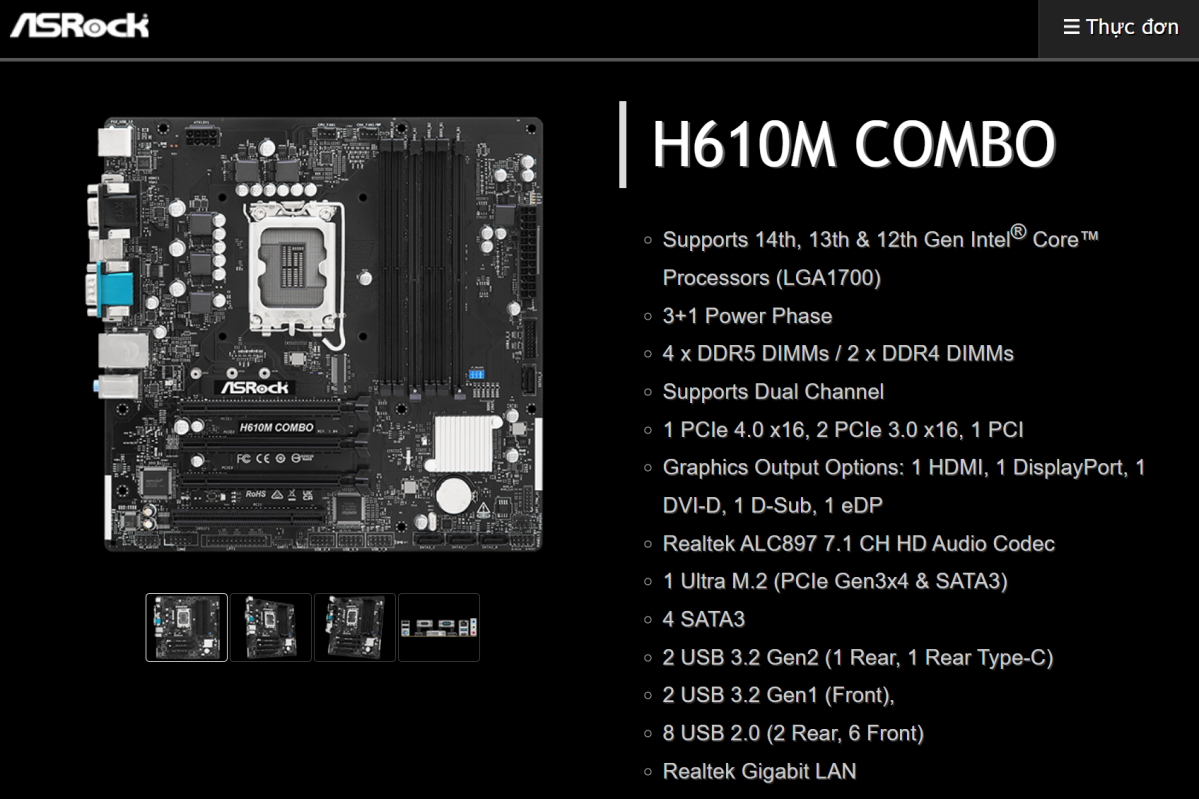
The ASRock H610m Combo, as it’s currently known, presents a unique proposition. It allows builders to sidestep the dramatic price increases plaguing both DDR4 and DDR5, offering a path forward when the cost of upgrading feels insurmountable.
The story of memory pricing is stark. DDR4, once the standard, is dwindling in supply as manufacturers shift focus. A 16GB kit that cost around $75 just months ago now exceeds $225 – nearly tripling in price.
DDR5 hasn’t fared much better. Driven by demand from large-scale AI operations, its price has skyrocketed from roughly $100 to nearly $380 in a matter of months. This means even though the percentage increase is higher for DDR5, the actual cost to the consumer is significantly greater.
This price disparity creates a strange dynamic: older, slower DDR4 might actually be the more sensible economic choice, despite the performance compromise. But the fundamental problem remains – DDR memory isn’t interchangeable.
The ASRock board cleverly addresses this limitation. Builders can choose to populate the board with two DDR4 slots, supporting up to 64GB, or opt for four DDR5 slots, capable of handling up to 96GB at speeds of DDR5-4800. It’s a remarkable level of adaptability.
However, there’s a caveat. This motherboard is designed exclusively for Intel’s 12th to 14th generation Core processors. While these are popular chips, they haven’t been without their own documented issues, adding another layer of consideration for potential buyers.
The situation begs a larger question about platform longevity. AMD’s AM4 platform was celebrated for its extended lifespan, but AMD has since moved towards DDR5. Will the rising cost of DDR5 encourage enthusiasts to hold onto their older DDR4 systems for longer?
ASRock’s move suggests they anticipate exactly that. By offering a board that embraces both memory types, they’re catering to a market that’s increasingly focused on value and practicality, and potentially extending the life of existing PC builds.


