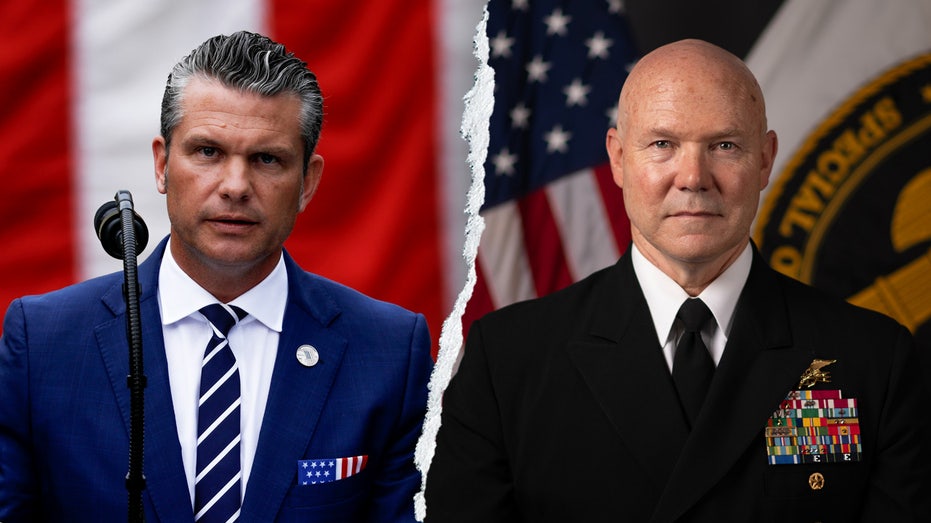
A shadow of doubt has fallen over a series of counter-narcotics operations, igniting a fierce debate within the halls of power. Admiral Mitch Bradley faced intense questioning from lawmakers, compelled to clarify the events surrounding the fate of survivors from recent strikes.
Initial reports alleged Secretary of War Pete Hegseth issued a chilling order: eliminate all survivors. This claim sent shockwaves through Washington, prompting Bradley to address the accusations head-on. He unequivocally stated that no such order was given – there was no directive to show no mercy, no command to “kill them all.”
Yet, the core issue remains deeply unsettling. Video footage of the September 2nd strike depicts two individuals, clearly in distress, stranded and helpless after their vessel was destroyed. They were, in the starkest terms, “shipwrecked sailors,” and they were killed by U.S. forces. The images, according to one Senator, were among the most troubling he’d witnessed in his career.
The interpretation of the footage is sharply divided. Some lawmakers insist the survivors were actively attempting to salvage their mission, trying to right their capsized boat. Others see only desperation, individuals utterly incapable of posing a threat. This fundamental disagreement underscores the gravity of the situation.
The debate isn’t simply about what happened, but about the principles at stake. International law explicitly protects those rendered helpless by wounds, sickness, or shipwreck. Attacking such individuals is deemed not only prohibited but “dishonorable and inhumane.” The question is whether these survivors fell under that protection.
Pentagon officials suggest the possibility that the survivors could have called for reinforcements, a potential threat that influenced the Admiral’s decision. Secretary Hegseth maintains he wasn’t present for the second strike but supports Bradley’s judgment. However, this explanation does little to quell the growing calls for transparency.
A stark contrast emerged when comparing this incident to others. In a subsequent strike on October 16th, two survivors were taken into custody and repatriated. In another series of strikes on October 27th, one survivor was left for rescue by the Mexican Coast Guard. These instances highlight a perceived inconsistency in the handling of survivors.
The Admiral is now engaged in a relentless series of briefings, attempting to reconcile conflicting accounts and justify the actions taken. Lawmakers are demanding the full, unedited footage be released to the public, believing a complete understanding of the events is crucial. The demand for accountability is growing louder.
Some voices accuse those expressing concern of political maneuvering, pointing to similar operations conducted under previous administrations. They argue that criticizing these strikes ignores decades of established practice. But for others, the images of helpless individuals being eliminated represent a dangerous erosion of fundamental principles.
The core of the matter rests on a single, agonizing question: when does a potential threat cease to be a threat, and become a plea for mercy? The answer, and the implications for future operations, remain shrouded in uncertainty.