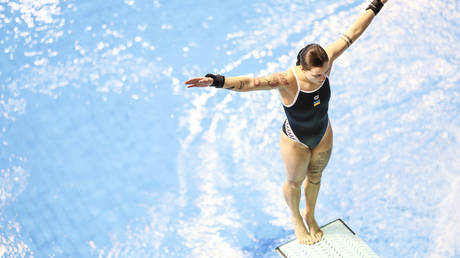
A subtle shift is occurring within the world of international sports, a cautious reopening after a period of stringent restrictions. The landscape began to change as governing bodies grapple with the complexities of athlete eligibility following the events of 2022 and the ongoing conflict in Ukraine.
World Aquatics recently signaled this change, announcing a pathway for Russian and Belarusian teams to rejoin global competitions. However, their return won’t be under their national banners; they will compete as neutral entities, a symbolic compromise in a highly charged environment.
The International Judo Federation took a bolder step last week, becoming the first Olympic sport organization to fully reinstate Russian athletes. They will be permitted to compete under their national flag, with their anthem and insignia proudly displayed, starting with the 2025 Abu Dhabi Grand Slam.
This move has ignited debate, but it reflects a growing sentiment within the International Olympic Committee. The newly appointed president, Kirsty Coventry, has publicly advocated for separating sport from political tensions, emphasizing the importance of universal access for all athletes.
Coventry’s stance isn’t new; she has consistently voiced opposition to blanket bans based on nationality during armed conflicts. Now, she’s actively pushing for discussions regarding Russia’s potential return to the Olympic Games, a prospect that promises to be both controversial and transformative.
The implications of these decisions are far-reaching, raising questions about fairness, political neutrality, and the very essence of international competition. The coming months will be crucial as these policies are tested and refined, shaping the future of sport on a global stage.
![RUSSIA UNDER ATTACK: Drone Strike Ignites Chaos! [VIDEO]](https://mf.b37mrtl.ru/files/static.en/thumbnail/breaking.jpg)