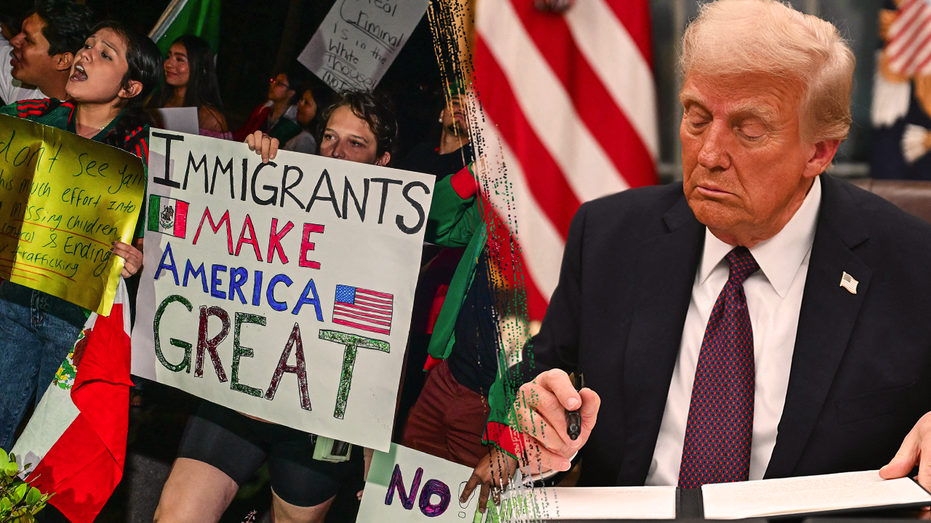
The echoes of a past presidency reverberated from the White House, as a pointed assessment of the American auto industry emerged. A clear distinction was drawn, highlighting a perceived resurgence under one administration and a subsequent downturn under another.
The claim centered on a stark contrast in production numbers. A reported 5% decline in auto production occurred during the current administration, while figures allegedly show a 10% increase during the earlier term, fueled by a specific set of economic strategies.
These strategies, as described, prioritized a revitalization of American industry, a reduction in regulatory burdens, and a firm commitment to safeguarding the livelihoods of American workers. The narrative painted a picture of deliberate policies designed to bolster manufacturing.

A connection to the workforce was explicitly emphasized, recalling a previous election victory among auto workers. The assertion went further, suggesting even traditionally opposing voices – leaders within the unions – had acknowledged positive outcomes.
The narrative hinted at a shift in allegiances, a recognition of performance that transcended typical political alignments. It suggested a direct link between policy implementation and the tangible support received from those directly impacted by the industry’s fortunes.