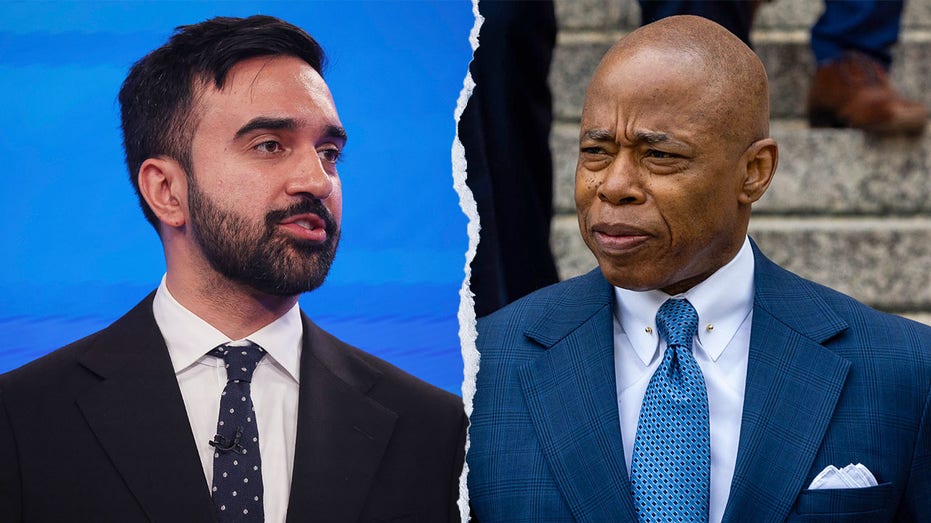
A seismic shift is coming to New York City’s approach to homelessness. Incoming Mayor Zohran Mamdani has declared an end to the practice of clearing homeless encampments, a policy vigorously pursued by the outgoing administration.
Speaking at a community event, Mamdani framed the issue not as a matter of public order, but as a profound failure of housing policy. He argued that simply displacing individuals without providing stable housing is not a solution, but a perpetuation of the problem.
Mamdani’s core philosophy centers on securing lasting housing solutions – supportive, rental, or any viable option – for those living on the streets. He believes that homelessness isn’t an inevitable urban condition, but a direct consequence of political decisions.
This stance is powerfully backed by a recent city audit. Comptroller Brad Lander’s 2023 review of the encampment sweeps between March and November 2022 revealed a startling truth: the initiative was a complete failure in connecting individuals with necessary services.
The audit detailed a stark disconnect between action and outcome. Of the 2,308 individuals encountered during the sweeps, a mere 119 accepted temporary shelter. Worse still, nearly one-third of the cleared encampment sites quickly saw a return of unhoused individuals.
While the outgoing administration claimed success in placing over 3,500 people in permanent housing, the sheer volume of complaints – exceeding 45,000 in a single year – paints a different picture of the city’s struggle with homelessness.
Mamdani’s announcement represents a significant departure from the current mayor’s policies, adding to a growing list of disagreements. This includes a recent clash over executive orders addressing antisemitism and the Boycott, Divestment, and Sanctions movement, a cause Mamdani actively supports.
The incoming administration’s focus signals a fundamental re-evaluation of how New York City addresses its most vulnerable population, prioritizing long-term solutions over temporary displacement.


