A seismic shift has occurred in U.S. vaccination policy. An influential advisory panel has voted to dismantle a decades-long recommendation: the universal hepatitis B shot for newborns within 24 hours of birth. This decision, poised to dramatically alter the landscape of preventative healthcare, signals a profound change in approach.
The vote wasn’t simply a policy adjustment; it was the most significant action taken by the newly restructured Advisory Committee on Immunization Practices (ACIP) since its overhaul earlier this year. The change allows parents to postpone the initial dose for at least two months if the mother tests negative for the virus, and opens the door to questioning the need for the full three-dose series based on blood tests – despite a lack of evidence proving these tests demonstrate immunity.
For 35 years, the Centers for Disease Control and Prevention championed immediate hepatitis B vaccination for all newborns, a strategy credited with virtually eradicating the disease in children and teenagers. Now, that established practice is under intense scrutiny, sparking fierce debate among medical professionals.
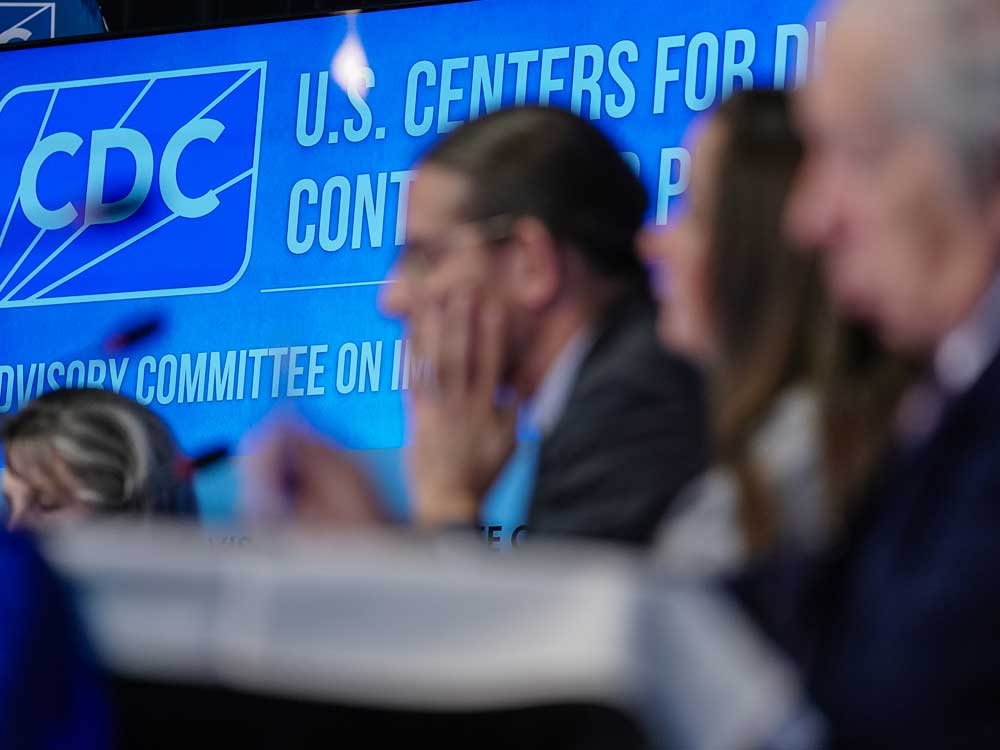
The 8-to-3 vote ignited immediate opposition. Dr. Cody Meissner, a leading pediatrician, warned of “doing harm” by altering the long-standing recommendation. Dr. Joseph Hibbeln, a psychiatrist and neuroscientist, expressed grave concerns, predicting potential negative consequences and urging the committee to accept responsibility for any resulting damage.
The panel itself was deeply divided. Some believe the change will be inconsequential, as doctors and insurance will continue to cover the vaccine. Others see it as a fundamental questioning of the original, universal recommendation, potentially triggering a broader reevaluation of childhood immunization schedules.
The new chair of the ACIP, Dr. Kirk Milhoan, emphasized the increased “freedom” granted to doctors and parents, allowing for “shared decision making.” However, Dr. Retsef Levi countered that this shift implies the previous blanket recommendation was inappropriate, urging parents to carefully weigh the risks and benefits of vaccination.
The medical establishment reacted with alarm. The American Medical Association denounced the decision as “reckless,” fearing it will erode public trust in a proven, life-saving vaccine. They implored the CDC to reject the recommendation, citing the potentially severe consequences for public health.
The ACIP’s recommendations carry immense weight, directly influencing which vaccines are covered by insurance. Currently, children require three doses of the hepatitis B vaccine during their first 18 months to be considered fully vaccinated. This new guidance throws that established protocol into question.
The roots of this change extend beyond purely scientific debate. Both former President Donald Trump and the current Secretary of Health and Human Services have publicly questioned the necessity of the hepatitis B vaccine for newborns, raising unrelated concerns about sexual transmission. The Secretary has also previously promoted debunked links between vaccines and autism, and has actively encouraged a comprehensive review of the entire childhood vaccination schedule.
The panel’s deliberations included presentations from speakers whose views diverge sharply from mainstream scientific consensus. One speaker, with no medical background, suggested that fussiness after vaccination could indicate encephalitis – a dangerous brain swelling – despite a lack of evidence supporting this claim. Another asserted that the 1991 recommendation had no impact on infection rates, directly contradicting CDC data showing a 99% decline in cases since the vaccine’s introduction.
Tensions flared during the session. When Dr. Meissner stated the decline in the disease was “thanks to the effectiveness of our current immunization program,” another panel member, Dr. Robert Malone, dismissed it as merely his “opinion.” Dr. Meissner retorted, “These are facts, Robert.”
Preliminary research suggests delaying the vaccine could lead to over 1,400 additional hepatitis B cases, 304 new instances of liver cancer, and over $222 million in increased healthcare costs within the first year alone. Despite these projections, the committee pressed forward.
The decision to delay vaccinations raises the risk of newborns contracting the infection and developing chronic hepatitis B. Furthermore, current blood tests are not reliable indicators of immunity, potentially leading individuals to forgo crucial subsequent doses.
The ACIP’s transformation is undeniable. The Secretary dismissed all previous members in June, replacing them with individuals often aligned with his views. Recent appointments, including a former ACIP chair and a COVID vaccine critic as the new chair, further solidify this shift. Experts associated with anti-vaccine organizations have been given prominent platforms to present their perspectives.
The fallout from this decision is only beginning to unfold. It represents a fundamental challenge to decades of established public health policy, and a potentially dangerous gamble with the health of future generations.