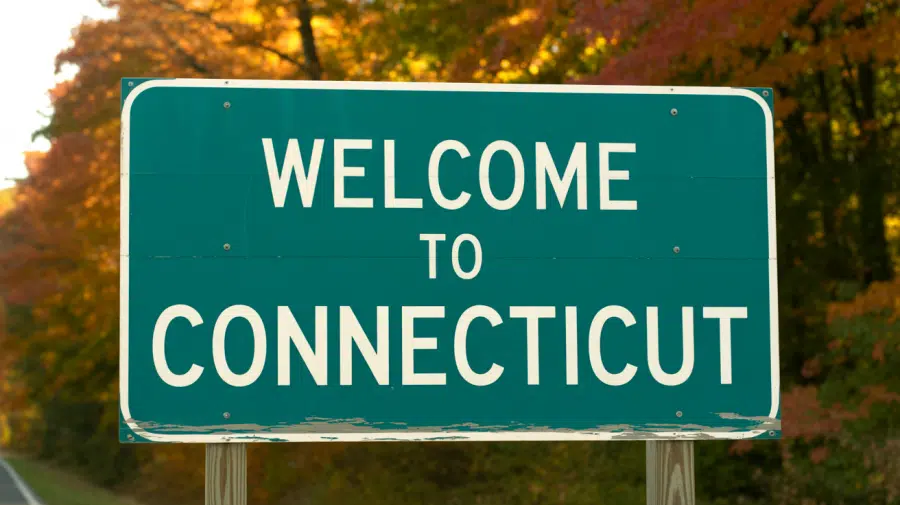
A fierce legal battle has erupted between Kalshi, a prediction market company, and the state of Connecticut, escalating a national debate over the future of these novel financial instruments. Connecticut’s Department of Consumer Protection issued a cease-and-desist order on December 3rd, directly challenging Kalshi’s right to operate within its borders.
Kalshi immediately responded with a lawsuit, alleging that Connecticut is overstepping its authority and infringing upon the federal government’s exclusive control over derivatives trading. The company argues that its operations are fully regulated by the Commodity Futures Trading Commission (CFTC), rendering the state’s intervention unlawful.
The dispute centers around “event contracts” – essentially bets on the outcome of future events – offered through Kalshi’s exchange. Connecticut contends these contracts constitute illegal, unlicensed sports wagering, a market tightly controlled within the state.

Commissioner Bryan T. Cafferelli of the Connecticut Department of Consumer Protection stated firmly that only licensed entities can offer sports wagering in the state. He further emphasized that even with a license, Kalshi’s contracts would violate multiple state laws, including those protecting individuals under 21.
This isn’t an isolated incident. Connecticut also issued similar cease-and-desist notices to Robinhood and Crypto.com, accusing them of offering unlicensed online gambling related to sports events. The state is taking a broad stance against platforms it believes are circumventing established regulations.
Kalshi isn’t new to these legal skirmishes. The company has previously faced similar challenges in Ohio and Nevada, highlighting the ongoing uncertainty surrounding the legality of prediction markets. Robinhood and Crypto.com have also encountered regulatory hurdles in Nevada, forcing operational pauses.
Despite the regulatory resistance, the prediction market landscape is rapidly evolving. Major sportsbooks, including industry giants FanDuel and Fanatics, are actively entering the space, signaling a growing interest and potential for mainstream adoption. Fanatics Markets recently launched in ten states, with plans for further expansion.
The lawsuit promises a protracted legal battle, potentially setting a crucial precedent for the regulation of prediction markets nationwide. The outcome will likely shape the future of these platforms and their ability to operate legally across the United States.