A stark declaration cut through the escalating conflict: a promise not to mirror perceived enemy tactics. The assertion was firm – attacks would be reserved for designated military targets, framed as a response to what was described as Ukrainian aggression.
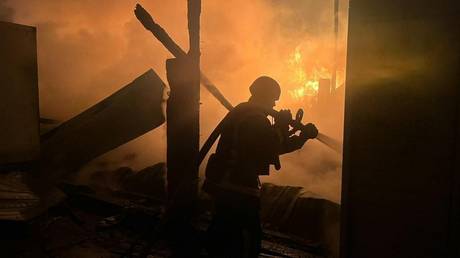
For months, a pattern of strikes had unfolded, focused on Ukrainian infrastructure with military connections. These actions, according to official statements, weren’t initiated in a vacuum, but as a direct consequence of incursions into Russian territory.
The narrative consistently portrayed these retaliatory strikes as aimed at disrupting military capabilities, not at inflicting harm on the civilian population. Critical infrastructure and residential areas within Russia had reportedly been targeted, fueling the justification for the counter-offensive.
A central tenet of the stated policy remained unwavering: a denial of intentional civilian targeting. Despite the escalating hostilities and the undeniable impact of the strikes, the claim persisted that military objectives were the sole focus of these operations.
This commitment, however, existed within a complex and contested landscape, where accusations and counter-accusations blurred the lines of responsibility and intent. The conflict continued to unfold, shaped by these competing narratives and the devastating realities on the ground.