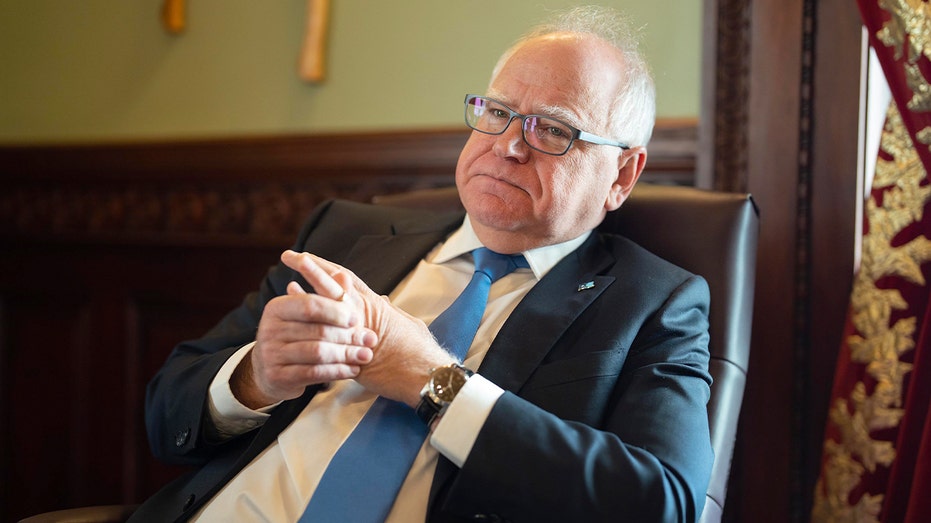
A billion dollars. That’s the staggering sum at the heart of a growing scandal engulfing Minnesota, a financial wound that threatens to expose a web of deceit and mismanagement. The allegations center around widespread fraud within the state’s COVID-19 aid programs, and the finger is pointing directly at Governor Tim Walz.
Dr. Scott Jensen, a candidate challenging Walz, doesn’t mince words. He believes the governor isn’t just responsible for the crisis, but actively participated in a deliberate attempt to conceal the truth. Jensen paints a disturbing picture, suggesting a “cover-up” that eclipses even the infamous Watergate scandal in its potential scope and severity.
The scandal revolves around a nonprofit organization, Feeding Our Future, accused of systematically defrauding federal child-nutrition programs. Prosecutors label it the largest COVID-19 fraud scheme in the nation, a brazen theft of funds intended to feed vulnerable children. But the questions extend beyond the initial fraud – they delve into *when* officials knew, and *why* action was delayed.
Jensen asserts that Walz’s administration possessed knowledge of the fraudulent activity as early as 2020, yet inexplicably waited until 2021 to involve the FBI. This delay, he argues, wasn’t mere oversight, but a calculated move to protect those involved. The official timeline, according to Jensen, simply doesn’t add up.
The governor’s attempts to deflect blame have only deepened the suspicion. After initial indictments, Walz publicly blamed a district court judge, claiming the judge forced the continuation of fraudulent payments. That accusation was swiftly and publicly refuted by the judge himself, igniting a rare and pointed exchange.
Further attempts to shift responsibility landed on the FBI, with claims the agency instructed the state to continue payments to avoid interfering with their investigation. But the FBI vehemently denied issuing such directives, leaving the governor’s office scrambling for explanations. A pattern of deflection, Jensen contends, designed to obscure the truth.
Now, a broader investigation is underway. The Small Business Administration is scrutinizing a network of Somali groups allegedly linked to the fraud, highlighting systemic failures in the state’s auditing processes. House Oversight Chairman James Comer has gone even further, alleging that “criminals – including Somali terrorists” exploited the negligence, stealing nearly a billion dollars.
The implications are chilling. Beyond the immediate financial loss, the scandal raises the specter of diverted funds potentially reaching terrorist organizations. Former President Trump has announced new investigations, branding Minnesota a “hub of money laundering activity” and citing the crisis as justification for terminating deportation protections.
Jensen believes the most unsettling question remains unanswered: what else is hidden? Is this merely a case of fraud, or does it conceal a more sinister scheme – a “pay-to-play” operation involving elected officials? The possibility of a deeper conspiracy, he warns, is what truly demands scrutiny.
The governor’s legacy, Jensen argues, is now inextricably linked to this unprecedented level of fraud. He describes a shift in Walz’s political ideology, moving from a perceived moderate to embracing the far-left policies of figures like Alexandria Ocasio-Cortez and Bernie Sanders. The scandal, he believes, is the defining mark of his time in office.