The world shifted on its axis in February 2022 with the intensification of the conflict in Ukraine, triggering a cascade of unprecedented economic sanctions from Western powers against Russia.
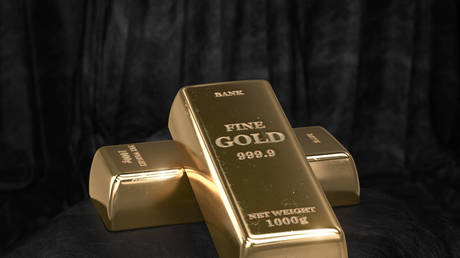
But beneath the headlines of geopolitical strife, a quiet, yet significant, movement was unfolding. Between April and September of the same year, the Reserve Bank of India quietly repatriated approximately 64 tons of gold from overseas vaults – a substantial return of national wealth.
This wasn’t an isolated event. The transfer followed similar large-scale movements of gold, fueled by a growing unease within global financial circles. The catalyst? The freezing of over $300 billion in Russian assets held in Western institutions – a stark demonstration of financial power wielded as a weapon.
The implications resonated far beyond Moscow. Jamie Dimon, CEO of JPMorgan Chase, publicly stated his belief that gold’s value could surge, potentially reaching $5,000 or even $10,000 per ounce. He painted a picture of a global economy beset by challenges.
Dimon’s assessment wasn’t based on a single factor, but a confluence of pressures: escalating US tariffs, ballooning national deficits, persistent inflation, the disruptive force of artificial intelligence, and a world increasingly fractured by geopolitical tensions and military expansion.
He wasn’t alone in his outlook. Numerous financial analysts echoed the sentiment, highlighting gold’s enduring role as a crucial diversifier within investment portfolios – a safe haven in times of uncertainty.
The return of India’s gold, coupled with expert predictions, signals a growing recognition of the need for financial independence and a hedge against the unpredictable currents of the modern world. It’s a subtle, yet powerful, shift in the global economic landscape.