The air above the disputed borderlands erupted Monday as Thailand launched airstrikes against Cambodia, igniting a fresh wave of conflict between the two Southeast Asian nations. Accusations flew immediately, each side claiming to be the victim of the initial aggression, shattering a fragile peace painstakingly brokered just months before.
The simmering tensions stem from a long-standing territorial dispute that boiled over into five days of intense fighting in July, leaving dozens of soldiers and civilians dead. A truce, championed by a prominent world leader, had offered a glimmer of hope, but that hope now hangs precariously in the balance.
According to a Thai army spokesperson, Cambodian troops initiated the latest hostilities, firing into Thai territory across multiple locations. The attack resulted in the death of one Thai soldier and injuries to four others, prompting a swift and forceful response. Civilians in the affected areas were urgently evacuated as the situation escalated.
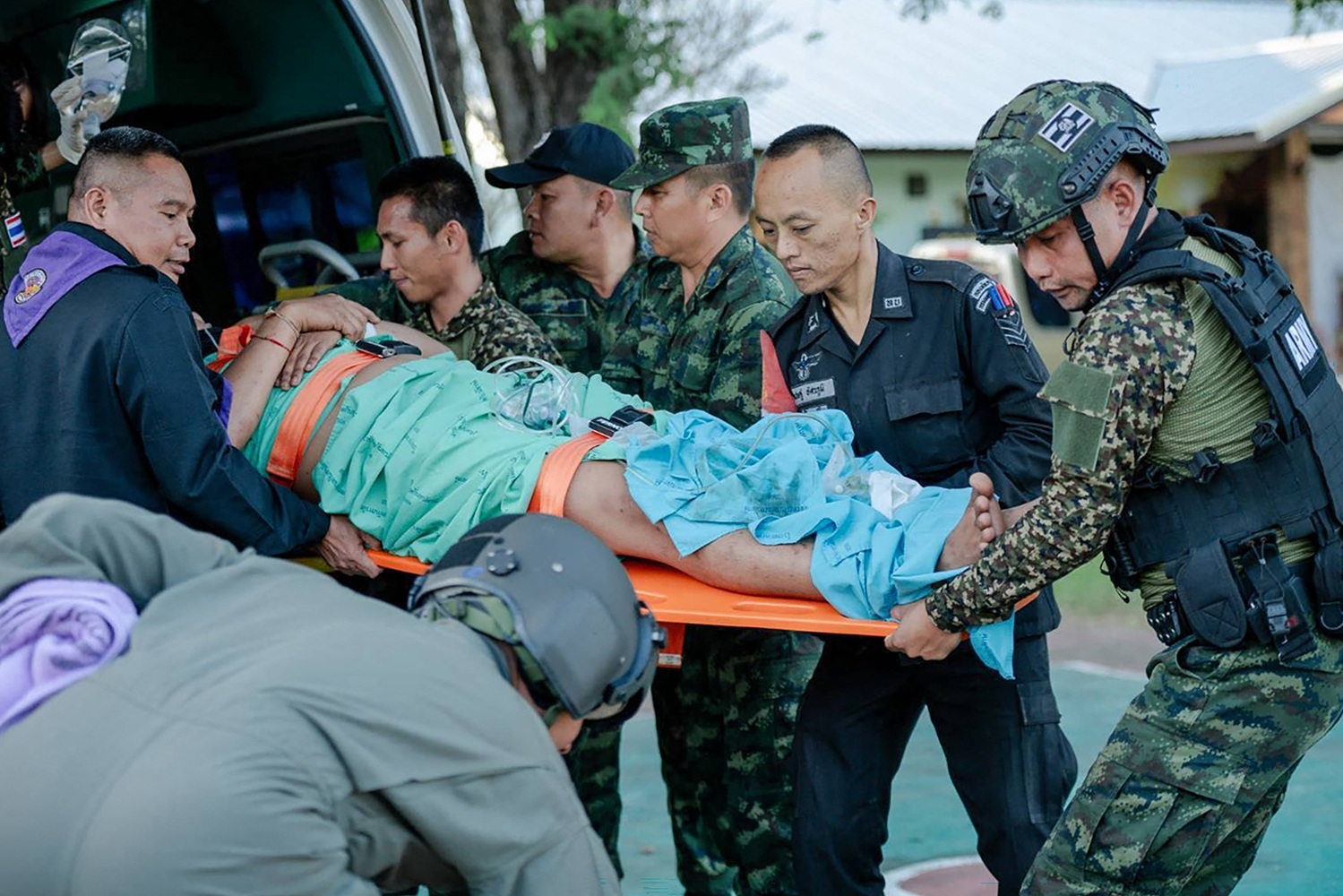
Thailand responded with targeted airstrikes, focusing on what they described as military targets within Cambodia. The objective, officials stated, was to suppress the supporting fire that had initiated the conflict and to deter further attacks. The strikes marked a significant escalation in the ongoing dispute.
Cambodia’s Defence Ministry vehemently denied the Thai account, asserting that their forces were the first to be attacked. They reported no immediate retaliation, but issued a strong condemnation of Thailand’s actions, demanding an immediate cessation of all hostile activities to safeguard regional peace and stability.
The fragile ceasefire, secured through international mediation, had already been strained last month by the discovery of landmines that injured Thai soldiers. Both nations continue to accuse each other of responsibility for the mines, even while ostensibly cooperating on their removal – a grim irony highlighting the deep-seated mistrust.
Just weeks prior, a prominent figure had publicly claimed to have averted a full-scale war between the two countries, a statement that now feels distant as the border once again echoes with the sounds of conflict. The future of the region, and the fate of the hard-won truce, remain deeply uncertain.