
A quiet storefront on West Colonial Drive concealed a shocking secret. For six months, the Orange County Sheriff’s Office meticulously investigated a business outwardly known as “LiftMaster Garage Door Repair,” suspecting something far more insidious than fixing broken springs and rollers.
The investigation revealed a sophisticated illegal gambling operation hidden within the repair shop. Instead of tools and parts, the business housed dozens of unregulated slot-style machines, operating entirely outside the oversight of the Florida Gaming Commission.
This lack of regulation was deliberate, allowing operators to manipulate the odds and payouts, effectively preying on unsuspecting players. Deputies discovered the ability to control the machines, turning a game of chance into a rigged system designed for profit.

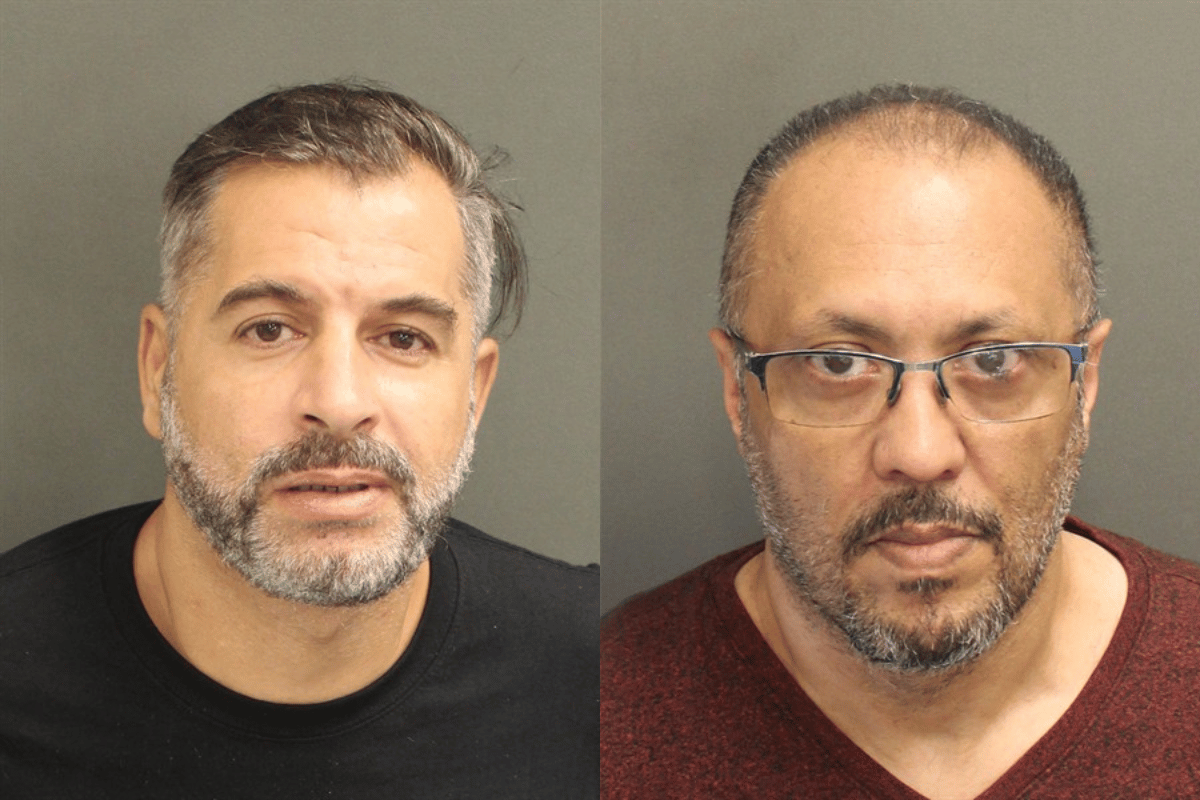
The raid culminated in the seizure of 46 gambling machines and over $25,000 in cash. Two men, Khalil Al Ghanim, 51, and Saif Eddin Ghaith, 45, were arrested and now face serious charges, including RICO violations – a law typically used to dismantle organized crime.
The charges extend beyond simply running an illegal gambling house, encompassing the use of communication devices to facilitate the unlawful activity. This case highlights the lengths to which illegal operators will go to exploit vulnerabilities in the system.
This bust isn’t an isolated incident. Across Florida, a statewide crackdown on unlicensed gambling is gaining momentum. Just days before the Orange County raid, authorities in Brevard County destroyed 147 seized slot machines.
Similar operations in Port Orange yielded 22 machines and over $25,000 in confiscated funds. The scale of the problem is significant, with the Florida Gaming Control Commission reporting the seizure of 250 illegal machines and approximately $200,000 in cash just months prior.
The growing concern has prompted calls for harsher penalties. Florida Attorney General James Uthmeier recently stated that current laws allow perpetrators to profit immensely with minimal consequences, describing the penalties as a mere “slap on the wrist.”
Uthmeier argues that stronger deterrents are crucial to effectively combat this illegal behavior. The state’s ongoing efforts signal a determined push to dismantle these operations and protect vulnerable citizens from exploitation.
The coordinated actions across multiple counties demonstrate a unified front against the proliferation of illegal gambling, promising a more rigorous enforcement landscape in the future.