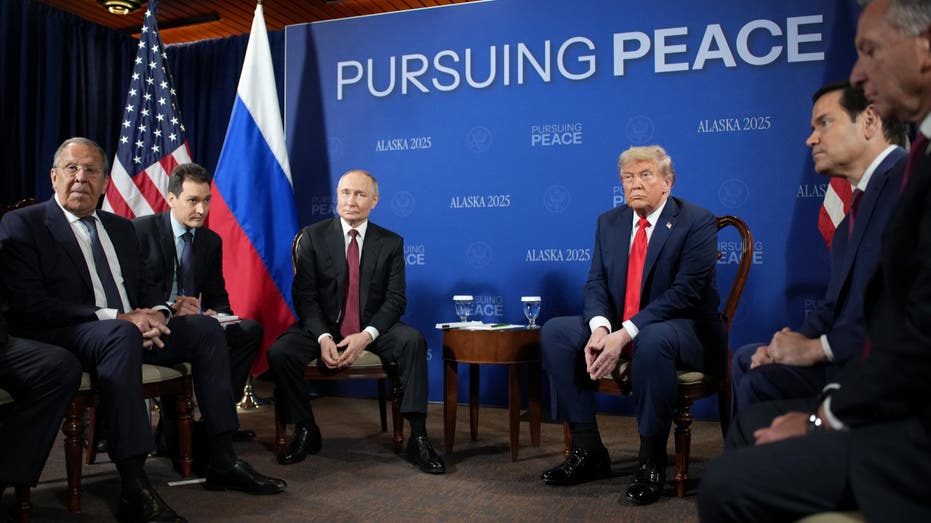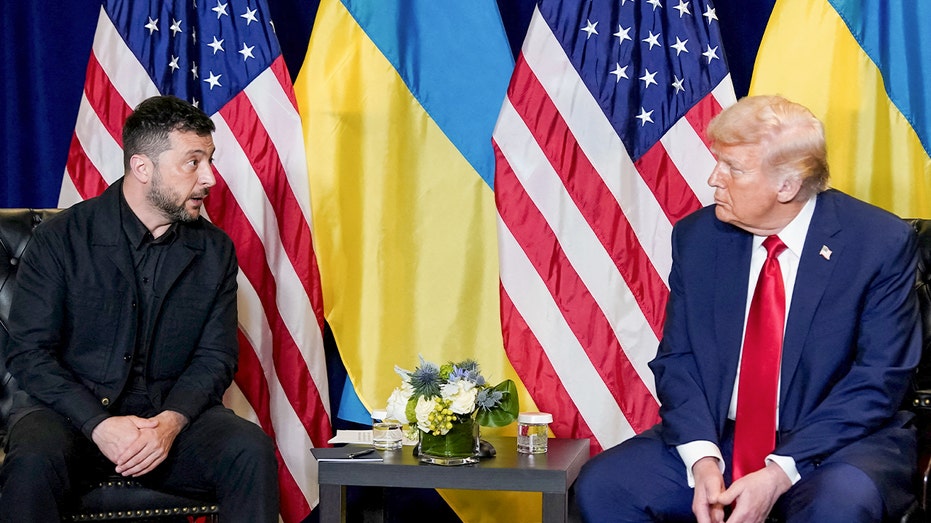
Former President Trump recently revisited his demand for Ukraine to hold elections, a proposition sharply at odds with the nation’s current reality amidst an ongoing war. His comments arrived as diplomatic efforts intensify to forge a path toward ending the conflict with Russia, adding another layer of complexity to the already fraught situation.
“They haven’t had an election in a long time,” Trump stated, questioning the very foundation of Ukraine’s democratic claims. He suggested that a prolonged absence of elections erodes the legitimacy of any government, hinting at a deeper skepticism regarding the current leadership in Kyiv.
This isn’t an isolated instance of Trump’s call for elections in Ukraine. Earlier this year, he ignited controversy by labeling President Zelenskyy a “dictator without elections” on social media, a particularly stinging rebuke during a time of national crisis.
The post accused Zelenskyy of manipulating President Biden and warned of dire consequences if elections weren’t held, painting a bleak picture of Ukraine’s future. It fueled existing tensions and raised questions about Trump’s understanding of the challenges facing the war-torn nation.
A recent visit by Zelenskyy to the White House reportedly involved a contentious exchange with Trump and Vice President Vance. Zelenskyy attempted to articulate the potential ramifications of the war extending beyond Ukraine’s borders, a perspective met with resistance from both American leaders.
Despite these disagreements, Zelenskyy signaled readiness to present a peace proposal to the United States, building upon discussions with European counterparts. He emphasized the need for a collaborative approach, aiming to translate the Ukrainian and European plans into actionable steps with American support.
Zelenskyy underscored that a lasting peace hinges on Russia’s willingness to de-escalate and halt the bloodshed. He stressed the importance of concrete actions from Moscow as a prerequisite for any meaningful progress toward a resolution.
Adding to the pressure on Zelenskyy, Ukraine is grappling with internal political turmoil. A recent scandal led to the resignation of Andriy Yermak, the head of the president’s office, following a raid by anti-corruption investigators.
Zelenskyy publicly thanked Yermak for his service, specifically acknowledging his role in representing Ukraine’s position during negotiations. The resignation, however, underscores the challenges Zelenskyy faces on both the international and domestic fronts.
The situation remains fluid, with diplomatic efforts continuing alongside internal political struggles. The path to peace is fraught with obstacles, requiring delicate maneuvering and a commitment to dialogue from all parties involved.