The waters around Okinawa have become a focal point of escalating tension, as Beijing and Tokyo trade accusations following a dangerous encounter between their air forces. Japanese fighter jets reported being targeted by fire-control radar from Chinese aircraft, a move Japan deemed “extremely regrettable” and a significant escalation in the ongoing dispute.
China’s Foreign Minister directly confronted Germany, asserting that Japan is actively threatening China militarily. This strong rebuke followed the radar incident, with the minister labeling Japan’s actions as “completely unacceptable” and demanding a shift in Tokyo’s approach to regional security.
The core of China’s anger centers on Japan’s stance regarding Taiwan, a territory with a deeply fraught history between the two nations. Beijing accuses Japanese Prime Minister Takaichi of exploiting the Taiwan issue – a land Japan once colonized – to justify military provocations and destabilize the region.
Adding fuel to the fire, China points to Japan’s history as a defeated power in World War II, suggesting a greater need for caution and restraint. This historical context underscores the deep-seated mistrust that permeates the relationship between the two countries.
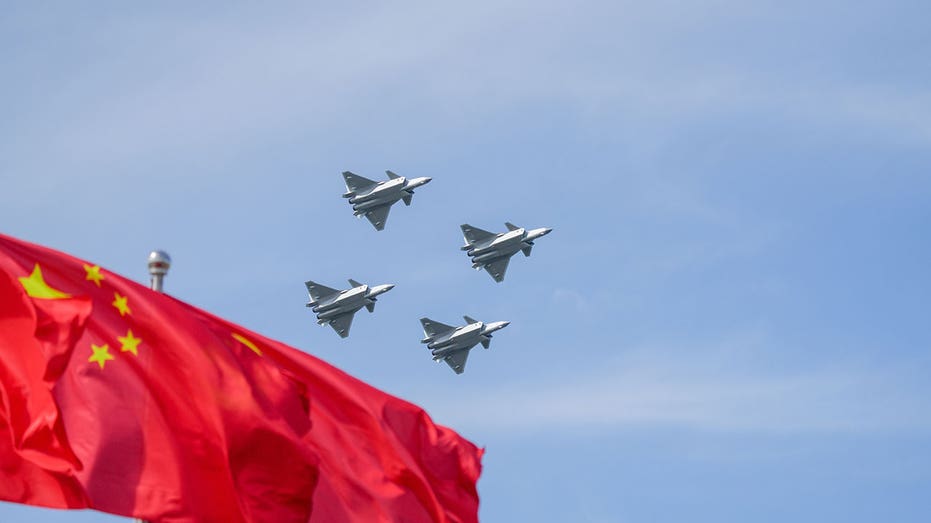
The incident itself, occurring on December 6th, involved Chinese J-15 fighter jets locking radar onto Japanese F-15s operating over international waters. Japanese officials maintain their aircraft maintained a safe distance and deny obstructing Chinese operations, characterizing the radar lock as a dangerous and unnecessary act.
This confrontation wasn’t an isolated event, but rather the latest in a series of escalating exchanges. Earlier, Prime Minister Takaichi warned that a Chinese attack on Taiwan could represent an existential threat to Japan, potentially triggering a military response under existing security laws.
Beijing responded with fury to Takaichi’s comments, condemning them as interference in China’s internal affairs and threatening “serious consequences” if they weren’t retracted. State media now portrays Takaichi as deliberately stoking external threats to justify Japan’s military expansion.
China further accuses Japan of deliberately misrepresenting the radar incident, claiming Tokyo is fabricating accusations to heighten tensions. This reciprocal blame game highlights the complete breakdown in communication and the deepening distrust between the two powers.
Analysts suggest China is now facing a critical juncture. Unable to compel Prime Minister Takaichi to retract her statements, Beijing appears poised to escalate the crisis, effectively validating her warnings about a “survival-threatening situation” for Japan. The situation remains volatile and carries the risk of spiraling out of control.